President Trump warned that the EU admitting Canada as an associate member could be a "hostile act," threatening heavy tariffs or trade restrictions depending on European leaders' intentions. House Speaker Mike Johnson adjourned the House early for midterm campaigning, drawing criticism from Rep. Thomas Massie for leaving several measures—such as an impeachment resolution and additional Epstein files—unaddressed. The House passed a broad Russia sanctions package now headed to the president, which the Kremlin says could complicate peace efforts in Ukraine. Separately, the Kennedy Center was fenced off after a board vote to close the venue for repairs amid a dispute over restoring President Trump's name; Congress has allocated $257 million for repairs.
Trump Calls EU Plan To Give Canada Associate Status A ‘Hostile Act,’ Threatens Tariffs
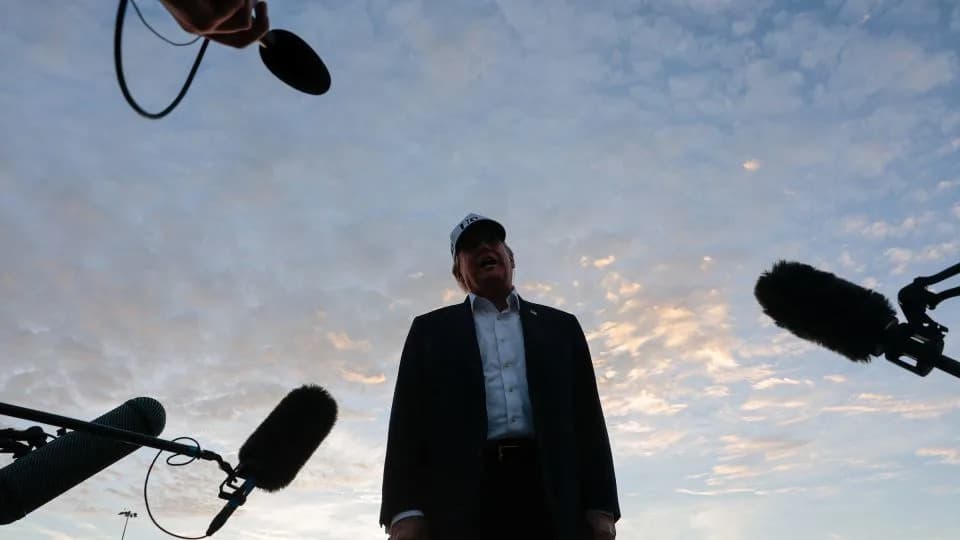
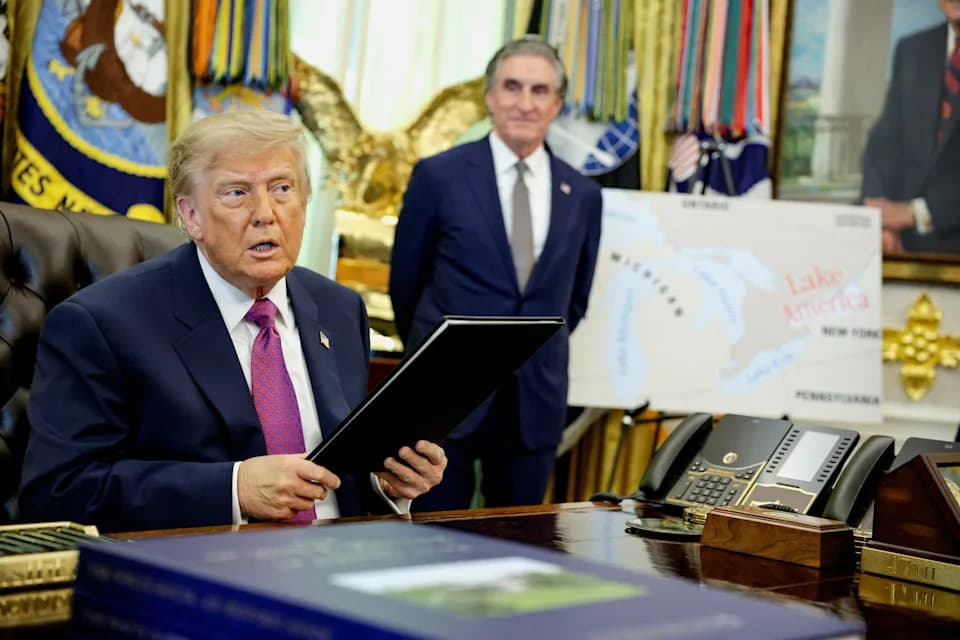
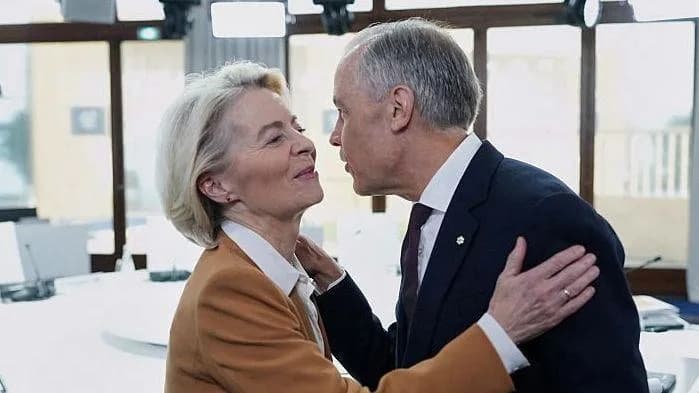
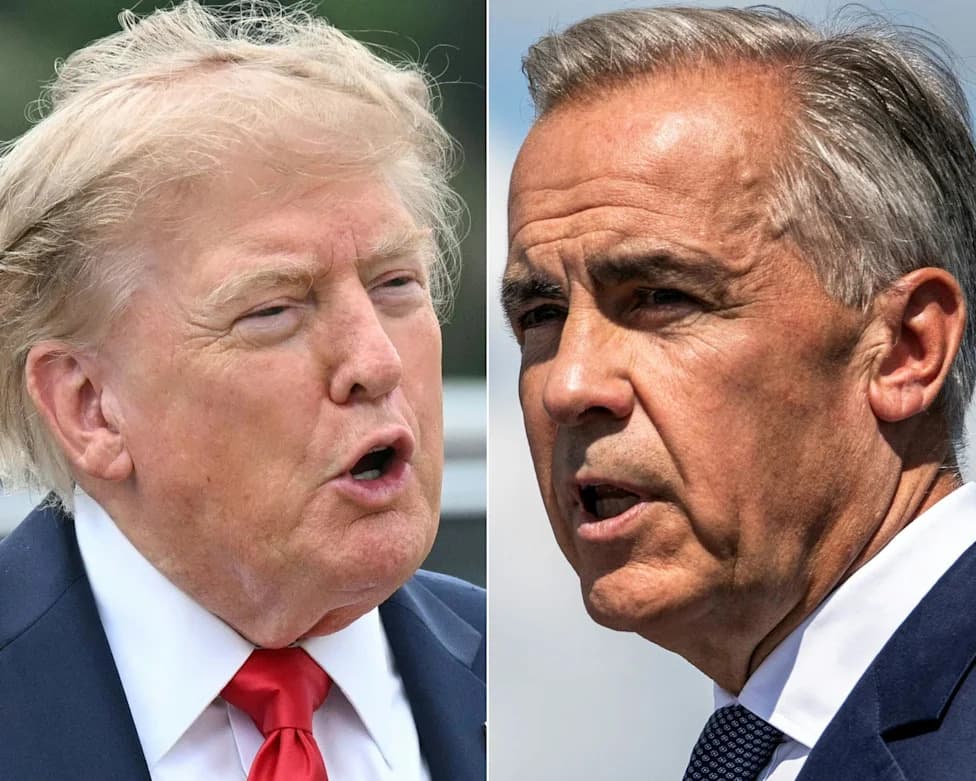
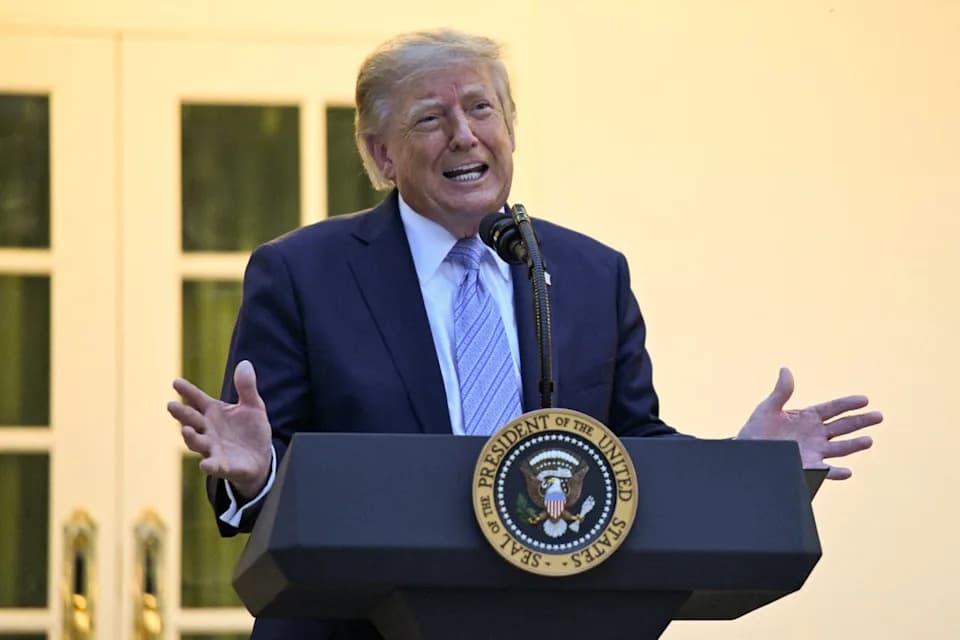
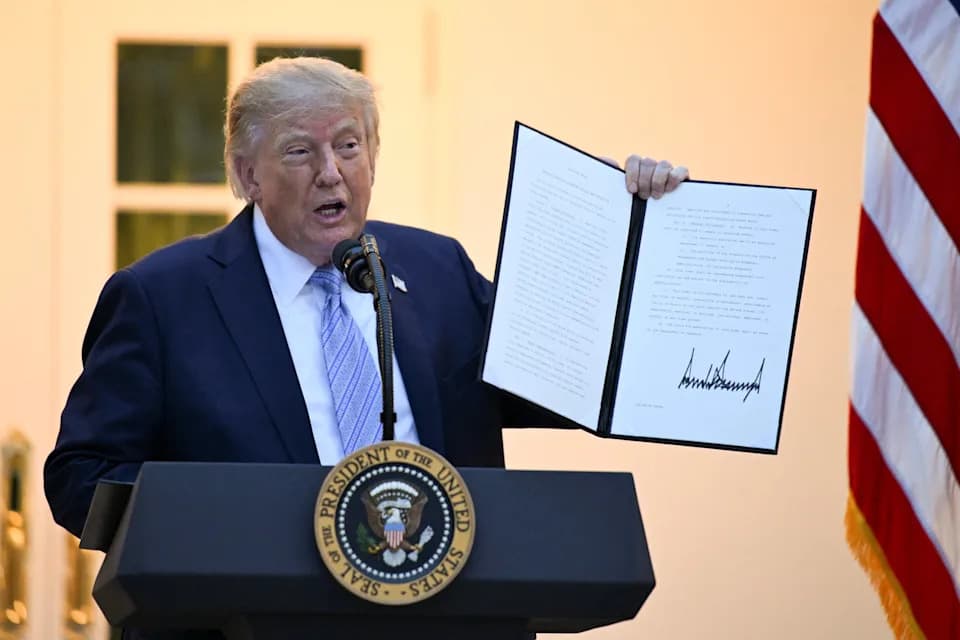
President Donald Trump warned that a European Union proposal to admit Canada as an associate member could be construed as a "hostile act" and threatened to retaliate with heavy tariffs or targeted trade restrictions depending on European leaders' intentions.
The comment came amid a busy week in Washington that included an early adjournment of the U.S. House for midterm campaigning, the passage of a sweeping Russia sanctions package, and a dispute over the Kennedy Center's temporary closure for repairs.
EU-Canada Proposal and Trump's Warning
Trump said the U.S. response would hinge on whether European intentions were benign or unfriendly: "If it's a good intention, that's fine. If it's a bad intention, we'll put very heavy tariffs on Europe." He also suggested the possibility of curtailing trade in certain sectors. The White House framed the comments as a warning to European leaders to make clear their motives before moving forward.
House Adjournment and Massie's Rebuke
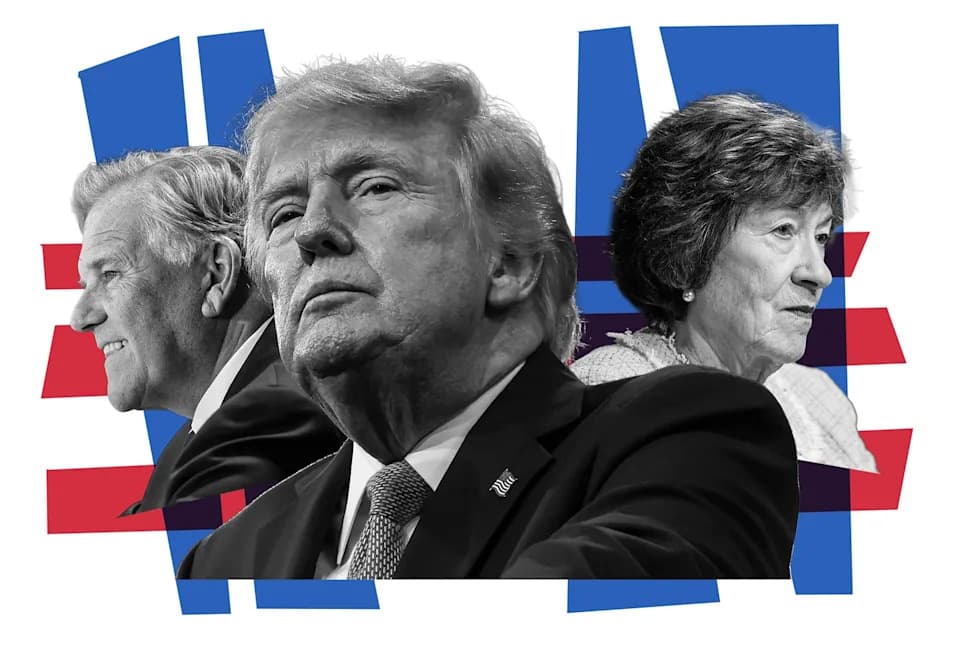
House Speaker Mike Johnson sent members home early so they could campaign for the midterm elections, calling the session among the most productive in decades. Republican Rep. Thomas Massie responded with a blistering floor speech, accusing Johnson and House leadership of abandoning unfinished priorities.
Massie cited his resolution to impeach Defense Secretary Pete Hegseth over actions related to the war in Iran and a bipartisan effort to release more files connected to the Jeffrey Epstein investigation as examples of measures left without votes. "We're calling off Congress? And we're in the majority?" he asked on the House floor, adding that lawmakers should remain in session to debate urgent issues.
Russia Sanctions And Kremlin Response
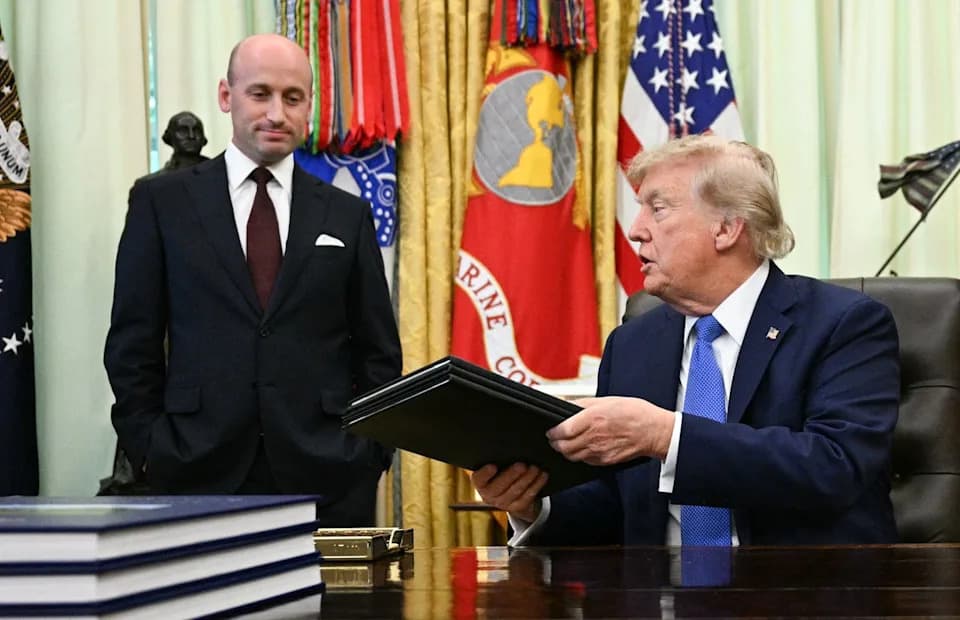
The House on Wednesday approved a broad sanctions package targeting Russian officials and key sectors of the economy; the bill now heads to President Trump to be signed into law. Supporters said the package is the most ambitious U.S. measure to aid Ukraine since Trump's return to the presidency.
Dmitry Peskov, Kremlin Spokesman: "We are, of course, monitoring the passing of this document. This falls into the category of unfriendly actions. And, of course, the U.S. imposing some additional sanctions would definitely complicate the efforts to find a peace settlement in Ukraine."
Kennedy Center Closure Dispute
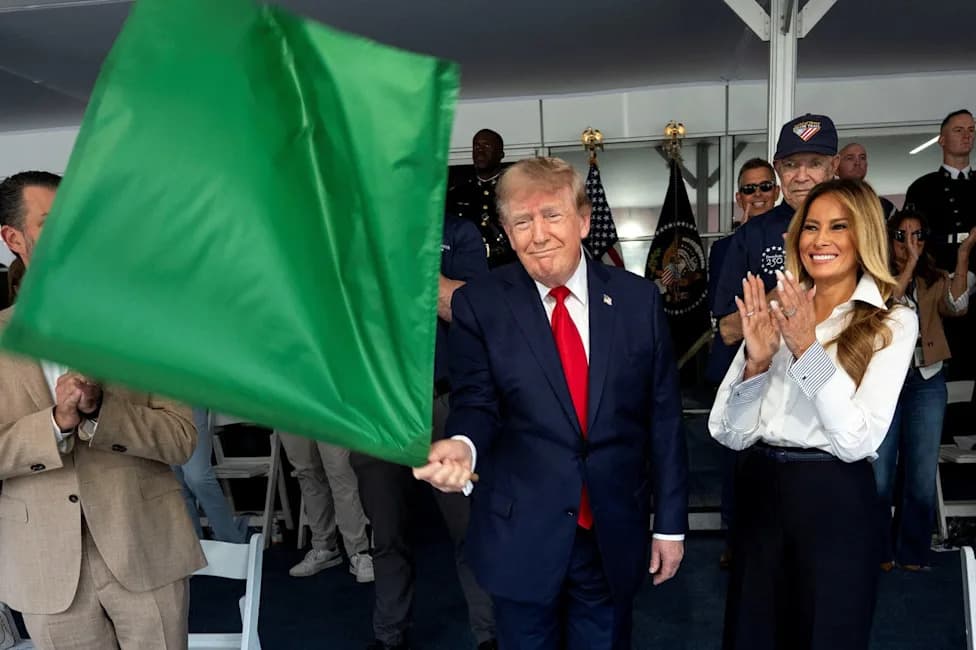
Fencing was erected around the main Kennedy Center building after a Trump-aligned board voted to close most of the performing arts center for repairs. A Democratic congresswoman who is also a trustee sought an emergency court hearing to block what she called an "unlawful closing." The board's vote followed a federal court order that prevented the institution from restoring President Trump's name to the building.
Trump said the closure was needed to allow safety repairs, and he tied the work to restoring his name. He noted Congress has allocated $257 million for repairs but said the project would proceed only if the board permitted plans to add his name. Protesters and other visitors reported limited or no access while security personnel turned away an Associated Press reporter at the main entrance.
Canadian Reaction
Some Canadian officials and business leaders expressed openness to closer ties with the EU, viewing associate membership as a way to diversify markets and protect sovereignty. U.S. leaders' threats of tariffs added a contentious new element to the transatlantic debate.
Note: This article consolidates multiple developments from the same news cycle and corrects prior inaccuracies in some versions that misidentified Canadian officials.
Help us improve.