The FABRIC Act, reintroduced by Congressman Jerrold Nadler and Senator Kirsten Gillibrand, seeks to address systemic labor abuses in the U.S. garment industry by setting a minimum wage floor with productivity incentives, increasing brand liability, and boosting supply-chain transparency. The bill would require manufacturers and contractors operating in the U.S. to register with the Department of Labor and strengthen recordkeeping. It also proposes a $100 million support program and a 30% tax credit to encourage reshoring of apparel production.
FABRIC Act Reintroduced Could Revive U.S. Garment Manufacturing and Protect Workers
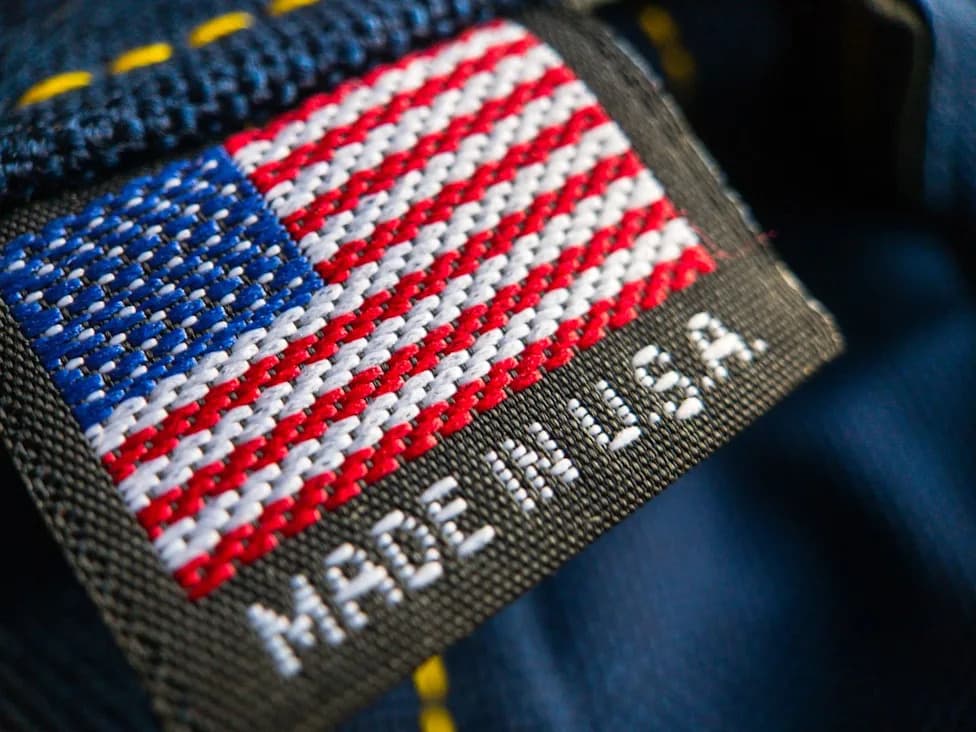
US garment factories to win big under FABRIC Act reintroduction
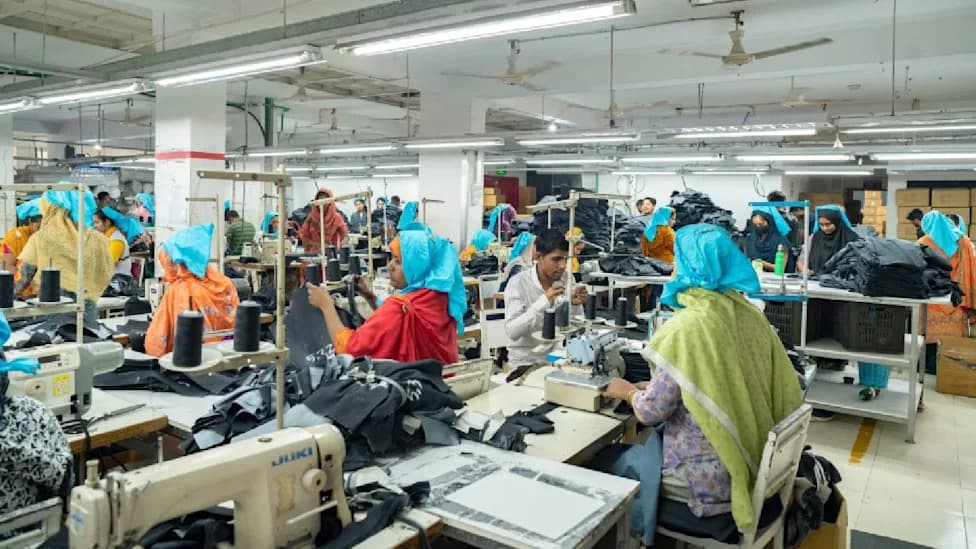
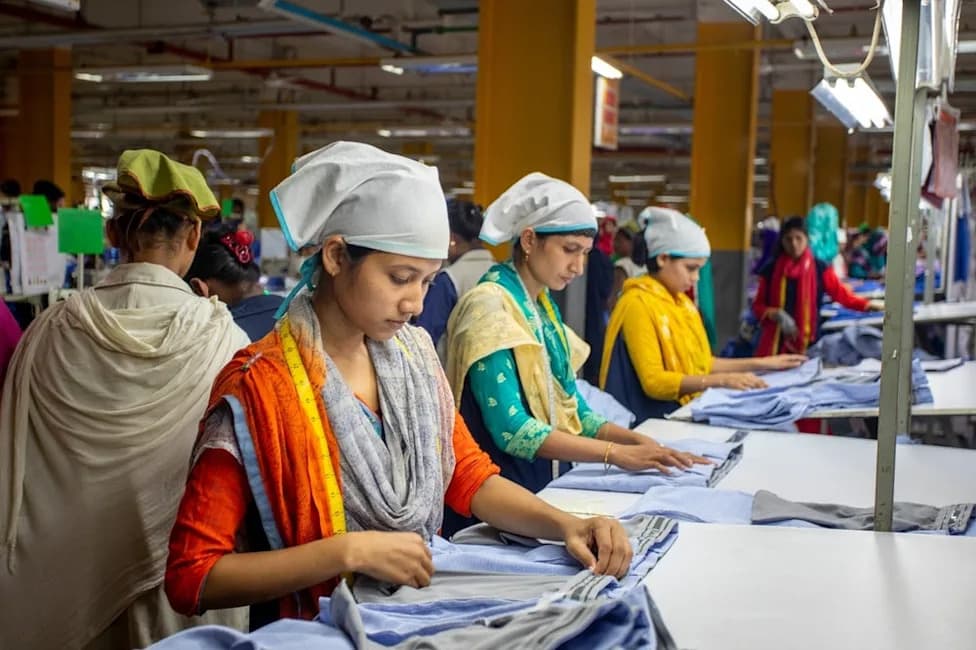
Congressman Jerrold Nadler (NY-12) and Senator Kirsten Gillibrand (D-NY) have reintroduced the FABRIC Act, a bill aimed at confronting long-standing labor abuses in the U.S. garment industry and incentivizing manufacturers to bring production back home. Lawmakers say the measure would improve wages and working conditions, hold big brands accountable for supplier violations, and provide targeted incentives to reshore apparel production.
What the FABRIC Act Would Do
- Restructure pay: Establish a minimum wage floor for garment workers while allowing productivity-based incentives on top of that baseline to reward efficiency without sacrificing basic pay.
- Hold brands accountable: Impose legal and financial responsibility on major fashion brands and retailers for labor and wage violations committed by their manufacturing partners and sewing contractors.
- Increase transparency: Require garment manufacturers and contractors operating in the United States to register with the Department of Labor and adopt strengthened recordkeeping and disclosure measures.
- Incentivize reshoring: Create a $100 million National Domestic Garment Manufacturing Support Program and offer a 30% tax credit to clothing companies that relocate production back to the U.S.
"America's garment workers have been undervalued and subjected to unfair labor practices for far too long, due to weak regulations across the fashion industry and the rise of fast fashion. With more than 100,000 New Yorkers contributing their labor to a billion-dollar garment industry, it is time to protect these workers and others across our nation and make historic investments in domestic manufacturing by passing the FABRIC Act," said Congressman Jerrold Nadler. "I'm proud to work with Senator Gillibrand to protect workers' rights, bring jobs back from overseas, and revitalize the American fashion industry."
Senator Kirsten Gillibrand added: "Garment workers are the backbone of a multibillion-dollar industry, yet for far too long, their labor has been undervalued and exploited. We cannot champion American innovation while turning a blind eye to abusive labor practices in our own backyard. It's time to take bold action at the federal level to change the fabric of the American garment industry. With the FABRIC Act, we can curb wage theft, protect our workers, and revitalize domestic manufacturing so that 'Made in America' also means ethically made."
This legislation blends worker protections with economic incentives designed to rebuild domestic capacity. Supporters argue it will curb wage theft, improve oversight in supply chains, and help revive an industry that once employed far more U.S. workers. Critics may question implementation details, the potential cost to brands, and how the bill will interact with existing labor and trade law, making Congressional debate likely.
Help us improve.