The United States, sources told KAN News, remains committed to a plan—linked to a 20-point U.S. proposal—to disarm Hamas, either through voluntary surrender or by IDF action backed by the international community. Washington also opposes forcible removal of Gaza residents and envisions an International Stabilization Force working with Palestinian police after any Israeli withdrawal. Israeli Defense Minister Israel Katz later softened his language after claiming large parts of Gaza had been destroyed, while opposition leader Ofer Winter blasted the government’s progress after three years of war.
US Reaffirms Commitment to Disarm Hamas, Contradicting Israel’s Defense Minister Katz
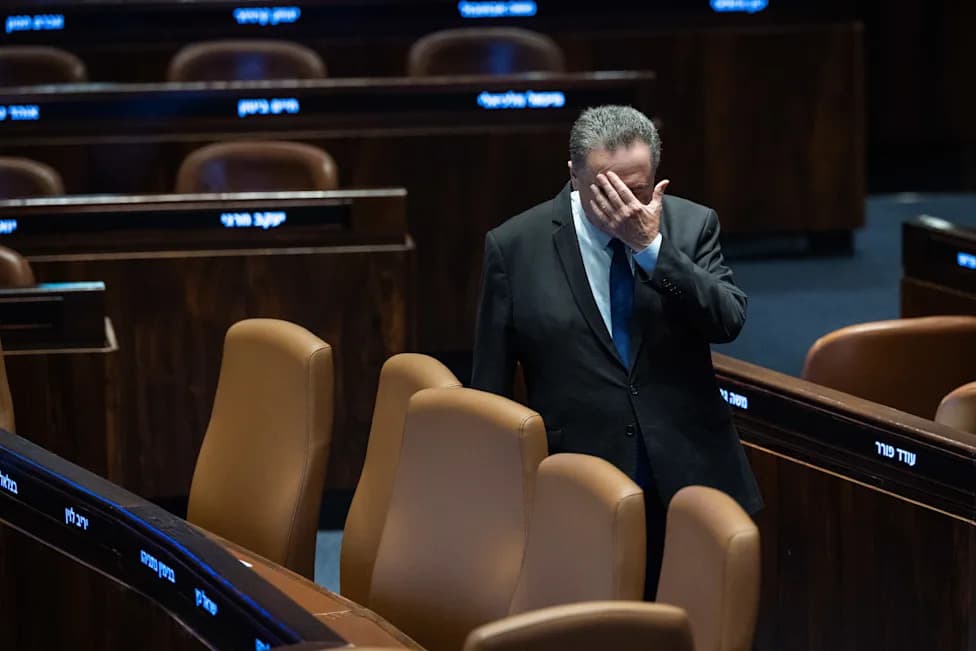
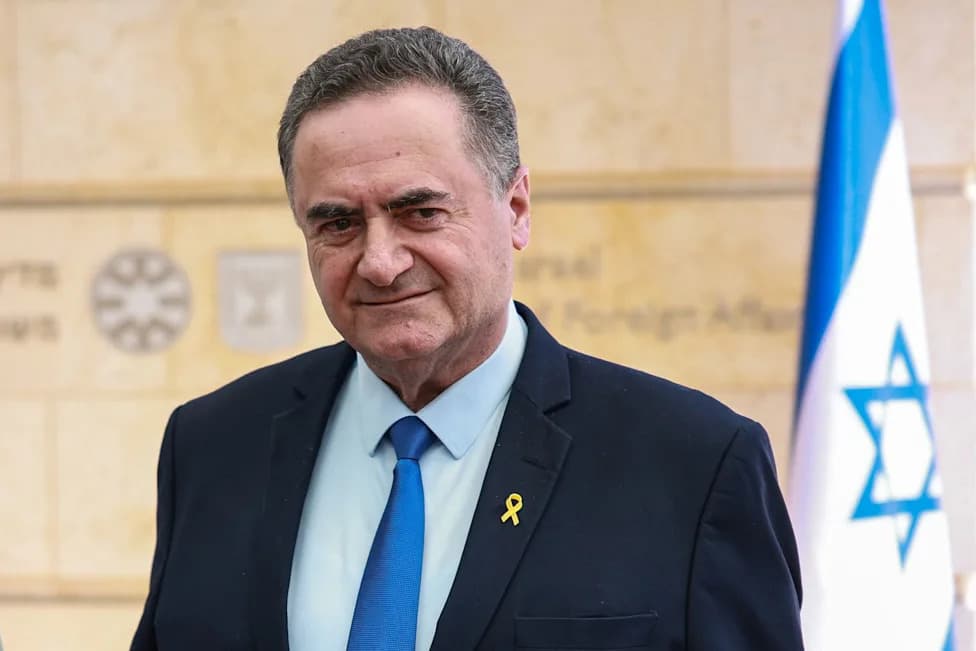
Defense Minister Israel Katz attends a plenum session and a vote on a bill to split the duties and powers currently held by the attorney general between two separate officeholders, at the assembly hall of the Knesset, the Israeli parliament in Jerusalem, July 15, 2026. (photo credit: YONATAN SINDEL/FLASH90)
Sources speaking to KAN News say the United States remains committed to a plan to disarm Hamas, contradicting recent comments by Israeli Defense Minister Israel Katz that suggested such disarmament "will not happen." The sources described the initiative as tied to a multi-point U.S. proposal and coordinated through a Peace Council (also referred to by sources as the Board of Peace).
What the Sources Say
A source close to the Peace Council told KAN News: "There is no need to believe or guess. The important thing is to cooperate with the Peace Council's plan to remove Hamas from all its weapons and from rule in Gaza." According to that plan, Hamas must either lay down its arms voluntarily or be disarmed by the IDF with international backing.
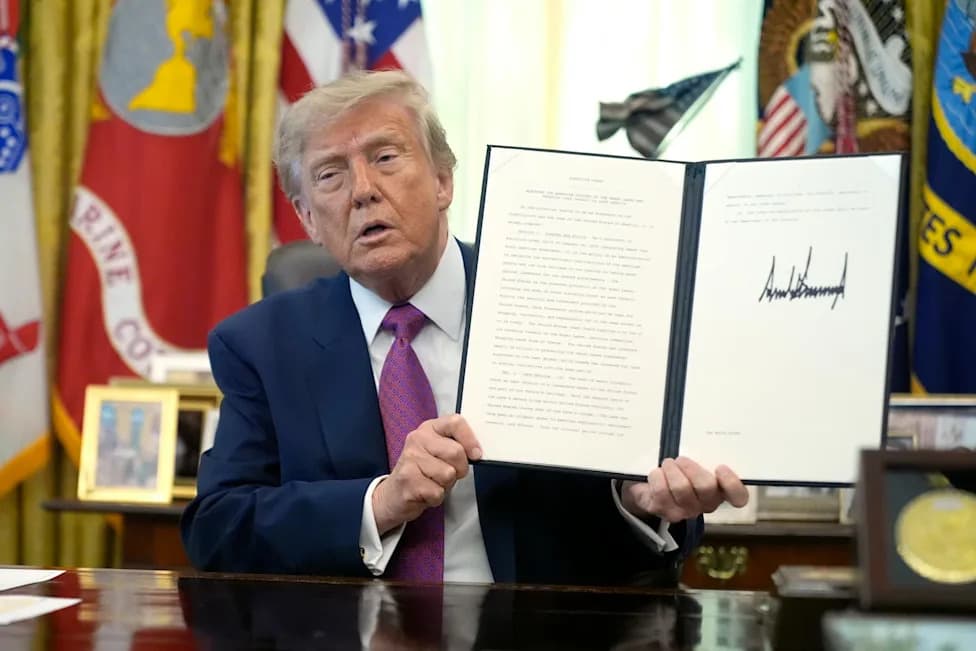
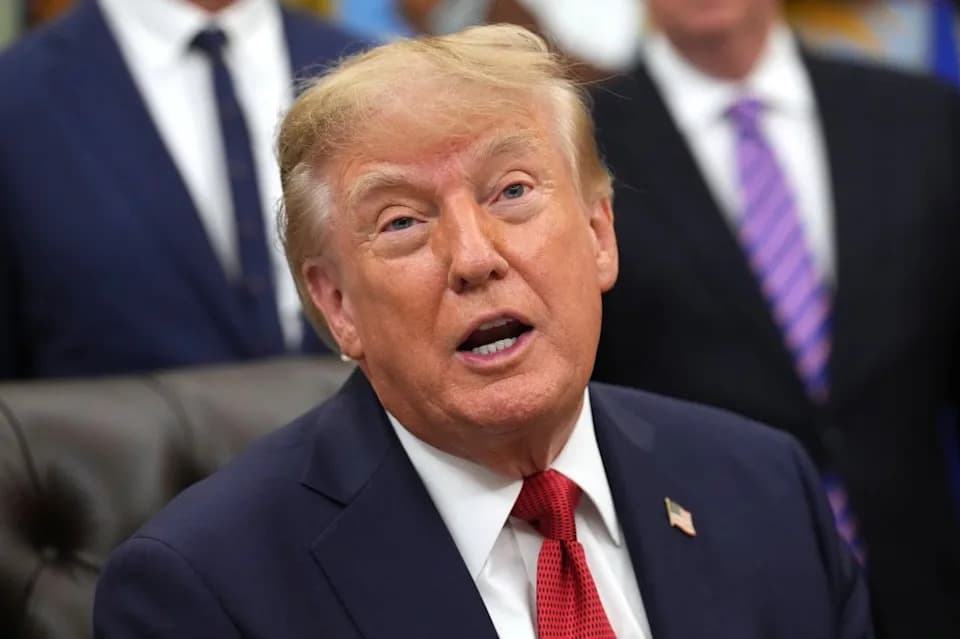
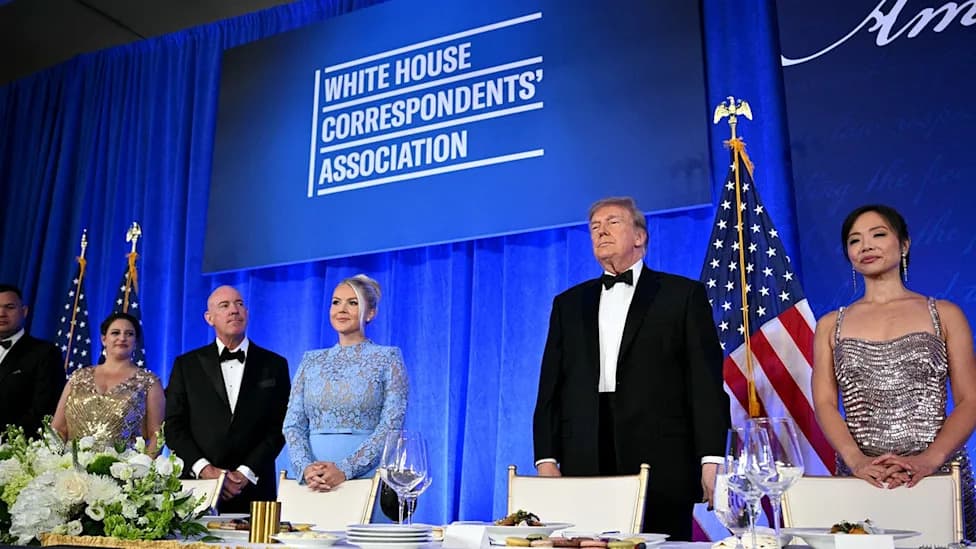
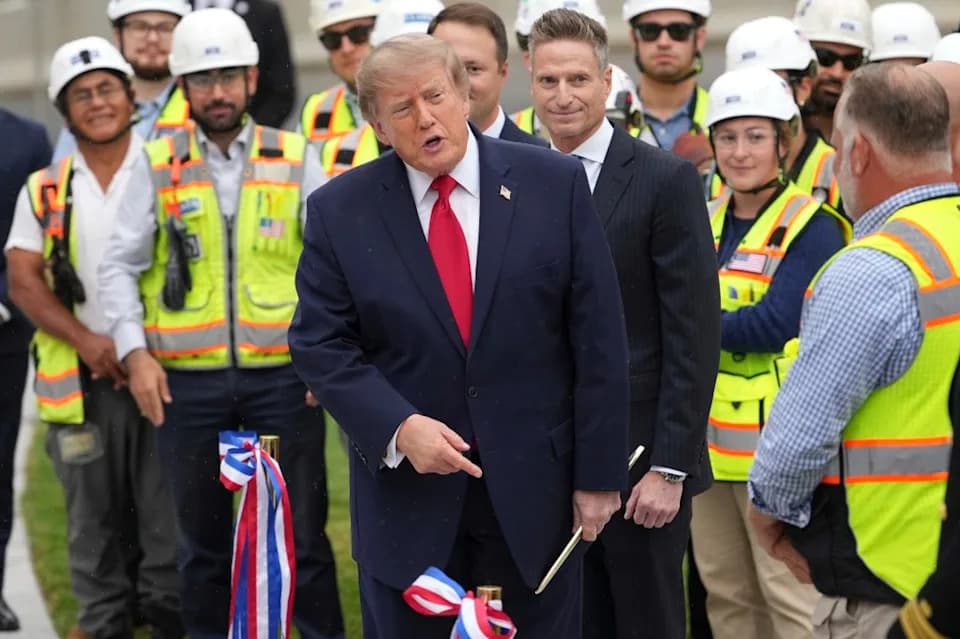
A separate source in Washington told KAN News that President Donald Trump continues to back a 20-point plan to disarm Hamas. That plan, the source said, envisages a subsequent Israeli withdrawal and the deployment of an International Stabilization Force working with Palestinian police to assume responsibility for Gaza and help ensure security for residents and neighboring communities.
U.S. Position on Gazan Residents
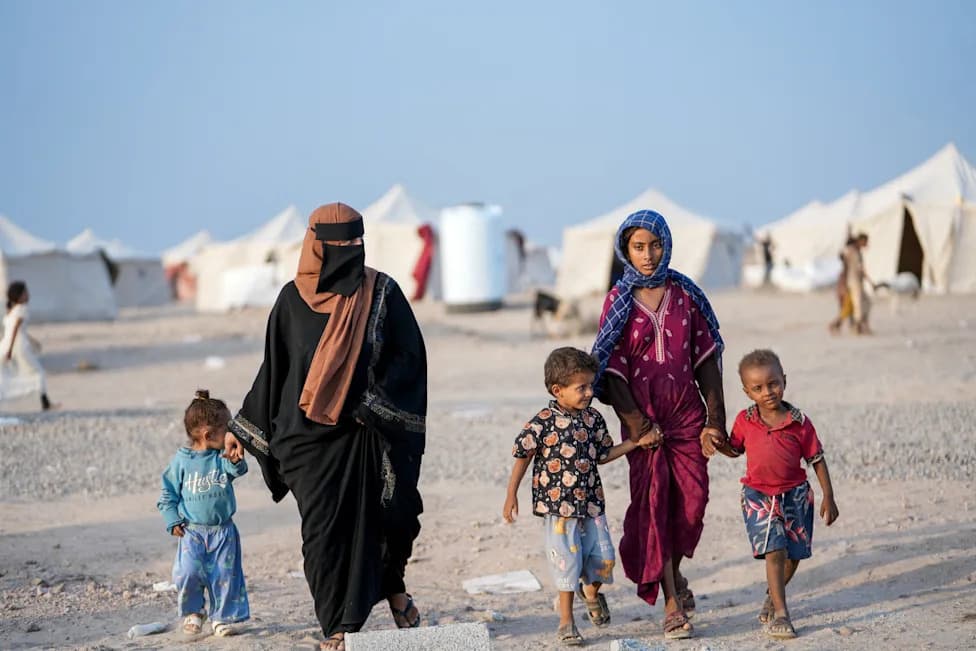
The Washington source also emphasized that the United States opposes any policy of forcibly removing Gaza residents from the Strip, saying emigration would proceed only through diplomatic efforts to secure safe host countries and not by coercion.
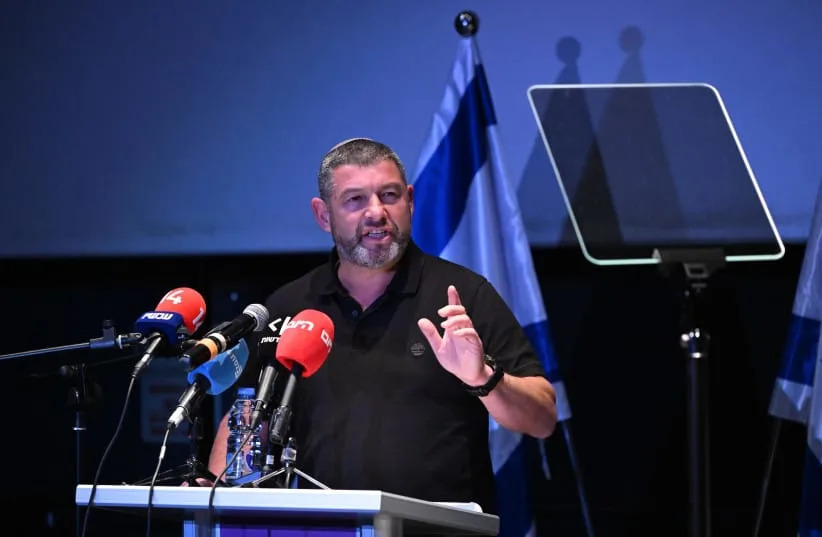
People of Israel Party chair Ofer Winter during a party rally in Rishon Lezion, September 15, 2026. (credit: AVSHALOM SASSONI/MAARIV)
Katz, Winter and the Political Back-and-Forth
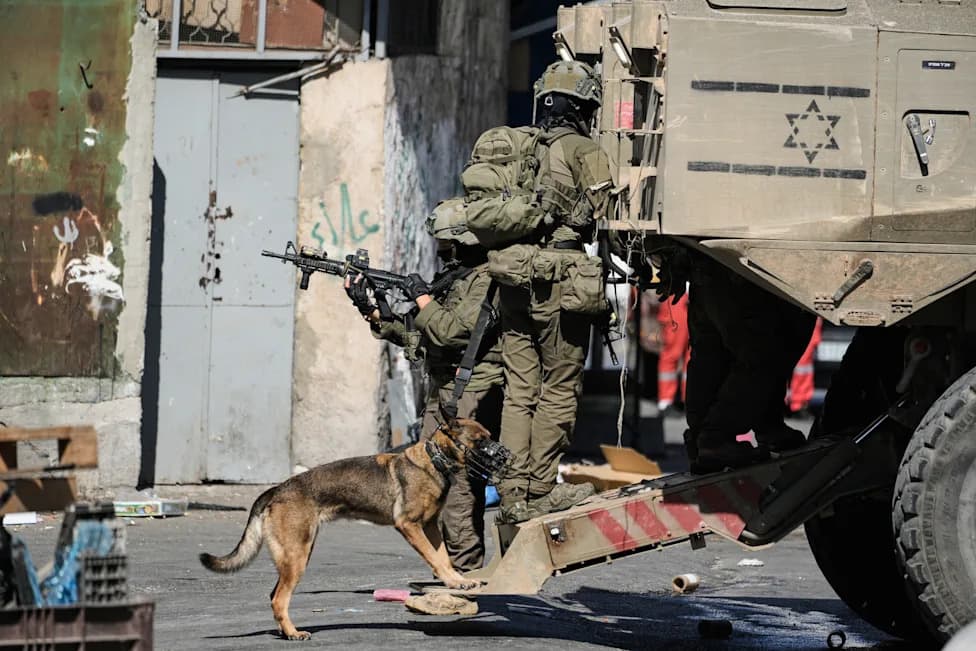
Katz made his remarks earlier while responding to People of Israel party chair Ofer Winter, who criticized the government for failing to fully eliminate Hamas. In posts on X (Twitter), Katz initially asserted that roughly 70% of Gaza had been destroyed, that the IDF now surrounds the remaining 30%, and that operations to remove the remainder of Hamas were ongoing.
In a later X post, Katz softened his language: he no longer said disarmament "will not happen," and clarified that targeted strikes on Hamas figures are carried out "in accordance with enabling political conditions." Katz also said any large-scale emigration from Gaza would move forward only if the U.S. administration resumes and leads an initiative to secure countries willing to accept migrants.
Ofer Winter responded sharply, asking how, after three years of war and multiple IDF divisions operating in Gaza, there remains no decisive resolution, with Hamas "still on its feet," no significant voluntary emigration despite U.S. offers, and sustained daily supply movements that he said benefit Hamas.
Implications
The divergent public statements highlight tensions between Israeli political leaders and international diplomatic efforts. If Washington's 20-point plan advances, it would require broad international support for stabilization forces and a complex political process to change governance and security arrangements in Gaza.
Help us improve.