The official probe into the PIMS neonatal unit fire found no functioning smoke detectors, fire alarms or sprinklers, and reported locked or obstructed exits that hindered rescue efforts. CCTV shows the blaze began at 06:38 on 26 August and emergency services were not alerted until 06:54. Investigators cited an electrical spark in an air-conditioning unit as the probable cause and criticised institutional failures, lack of staff training and ignored prior warnings. Pakistan's government has ordered audits, suspended eight officials and sought criminal proceedings.
Inquiry Finds No Fire Alarms or Sprinklers at PIMS Neonatal Ward After Fire That Killed 14 Newborns
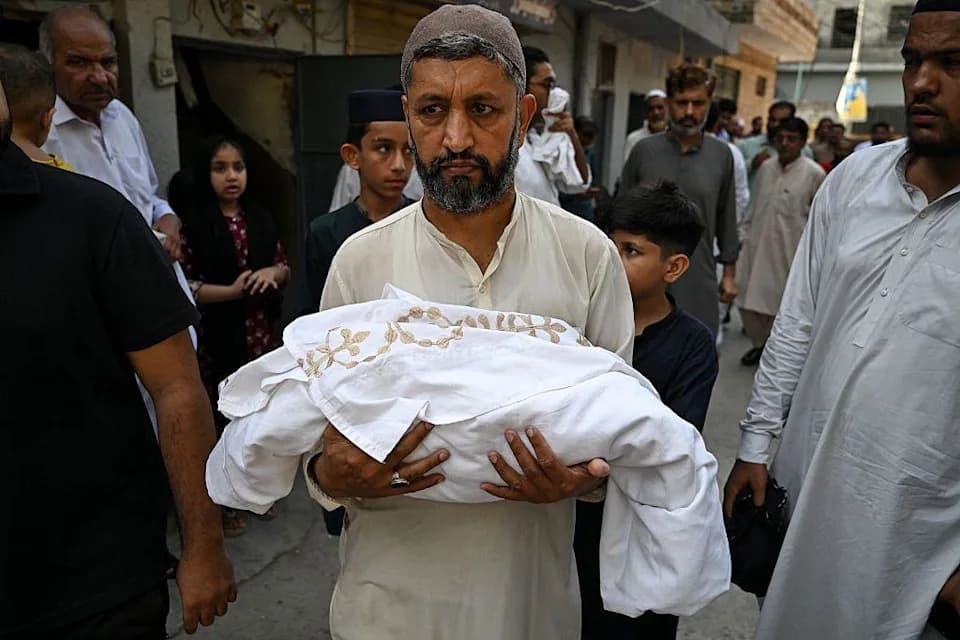
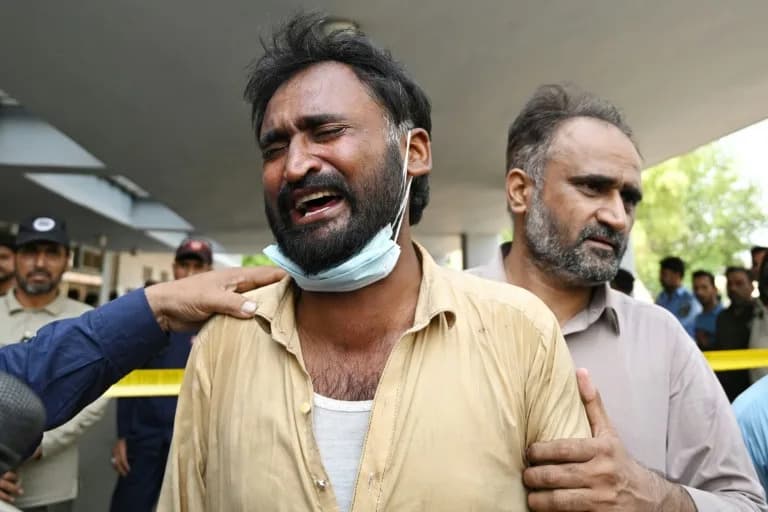
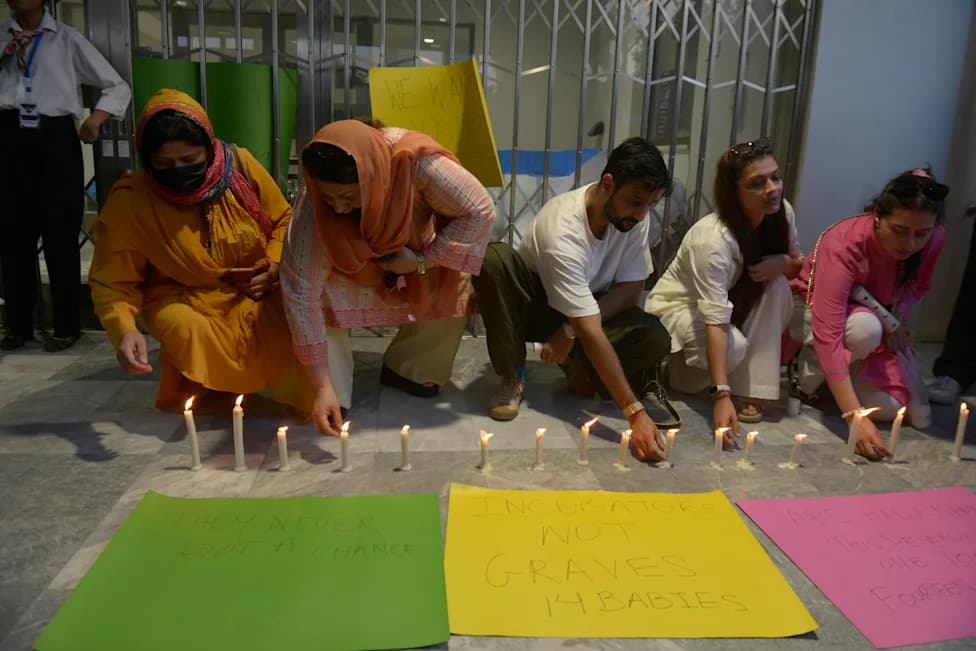
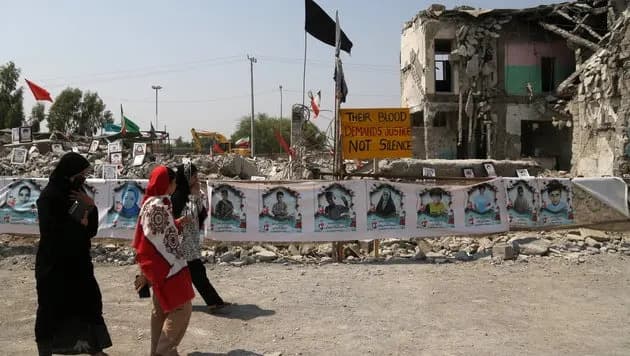
Funerals were held last month for some of the babies who died [AFP via Getty Images]
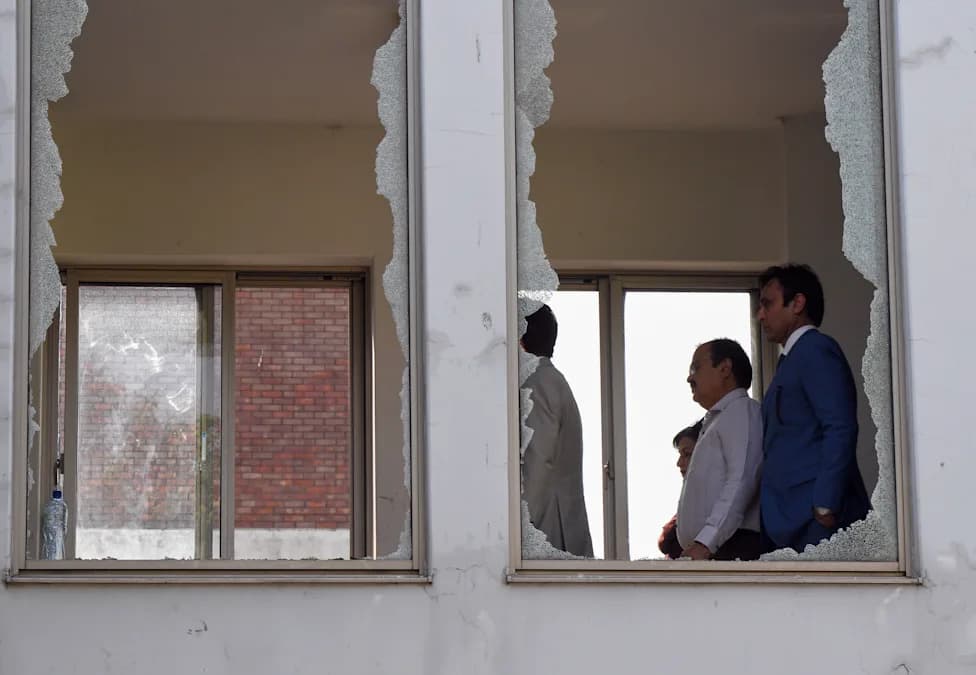
An official inquiry into the blaze that killed 14 newborns at the Pakistan Institute of Medical Sciences (PIMS) in Islamabad has concluded the neonatal unit lacked functioning smoke detectors, fire alarms and a sprinkler system, and that key escape routes were locked or obstructed. Investigators described the incident as the result of 'systemic and institutional failure' that allowed what appears to have begun as an electrical spark to become a catastrophe.
What the Inquiry Found
The investigative committee, led by a retired senior civil servant, says the most likely origin was a spark from an air-conditioning unit caused by an overheating electrical supply cable, though the exact fault could not be definitively identified. The blaze spread rapidly, igniting plastics, medical equipment and waste. Several infants in the ward were receiving oxygen; the inquiry noted oxygen may have intensified combustion but found no firm evidence that oxygen supplies directly created a pathway for the fire to spread.
The report states there were no functioning smoke detectors, fire alarms or sprinklers in the neonatal unit. It found no records that staff had been trained or drilled in evacuating newborns — many of whom were premature or medically fragile — nor trained to isolate oxygen supplies in an emergency. Although air-conditioning units had received maintenance work, the committee emphasised that maintenance is not the same as a formal safety inspection; units approved for replacement in 2018 had not been upgraded.
Timeline and Response
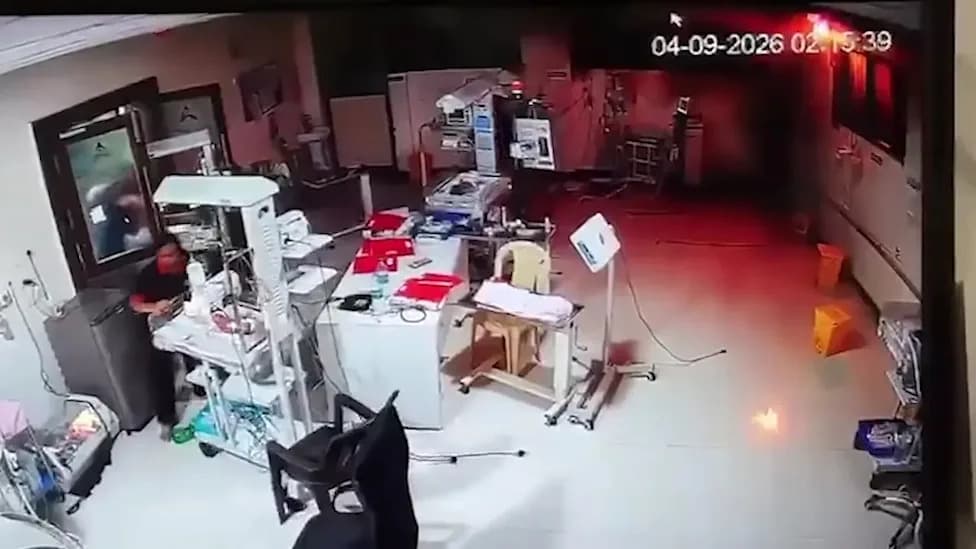
CCTV footage from the corridor outside the ward shows how quickly the fire spread. The report records the first visible sign of trouble at 06:38 on 26 August, when a nurse ran from the ward to summon help and returned about 20 seconds later with a security guard. Another nurse, Razia Noreen, is seen rushing into the ward and emerging moments later carrying one infant — the only survivor from that unit.
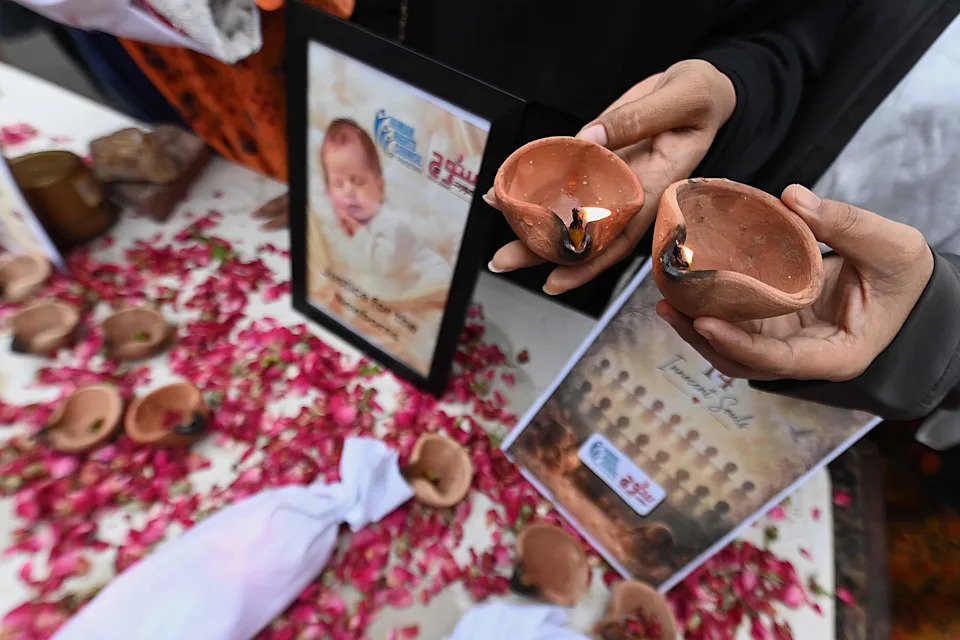
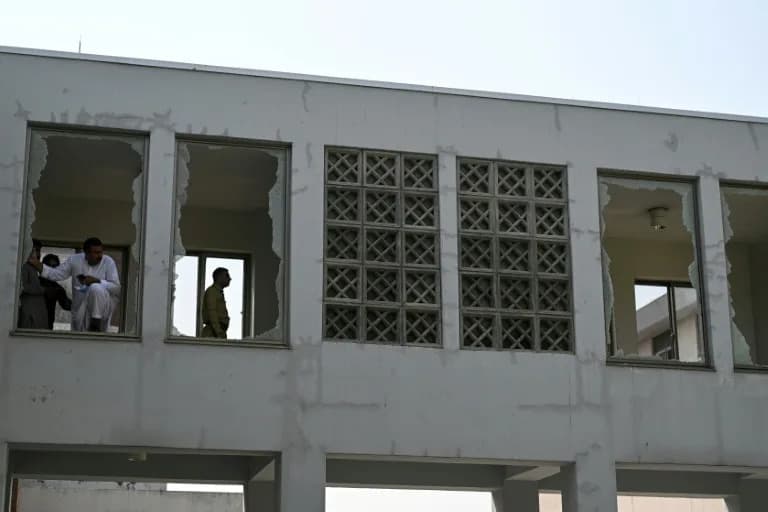
[EPA/Shutterstock]
Within a minute, dense smoke obscured the corridor camera. Emergency services were not notified until 06:54 — almost 20 minutes after the fire began — and the first rescue teams arrived at 07:01, according to the report. Witnesses and rescuers reported that some doors and escape routes were locked or obstructed, complicating evacuation and rescue efforts.
Eyewitness and Responder Accounts
'The doors were locked so they had to break through the windows to enter. Even after getting inside, the doors leading towards the ward were locked,' a firefighter who spoke anonymously to the BBC said. He added that when he reached the unit after the blaze had been extinguished, 'the medical equipment above [the babies] had melted and collapsed onto them.'
Relatives and hospital visitors described scenes of confusion as staff and bystanders tried to find escape routes and to relieve the smoke. Abdul Ghafoor, who was in a nearby ward, said: 'The entire ward was filled with smoke, we could not see anything.' Another witness, Hivsa Walid, said family members focused on getting downstairs and saving themselves when they saw smoke pouring from the neonatal unit.
Accountability and Government Response
The inquiry noted prior warnings: one month earlier, a fire at the hospital's nursing hostel had raised similar concerns about smoke detection, alarms and preparedness. The committee said hospital management bears principal institutional responsibility for failing to convert known risks and prior warnings into an effective safety system.
Pakistan's prime minister has ordered the inquiry's short-term measures to be implemented within three months, called for fire-safety audits of public and private buildings, suspended eight officials and requested that criminal proceedings be initiated against those found responsible.
Context: The tragedy has prompted renewed scrutiny of hospital safety standards and emergency preparedness in Pakistan, particularly in facilities that care for medically fragile newborns.
Help us improve.