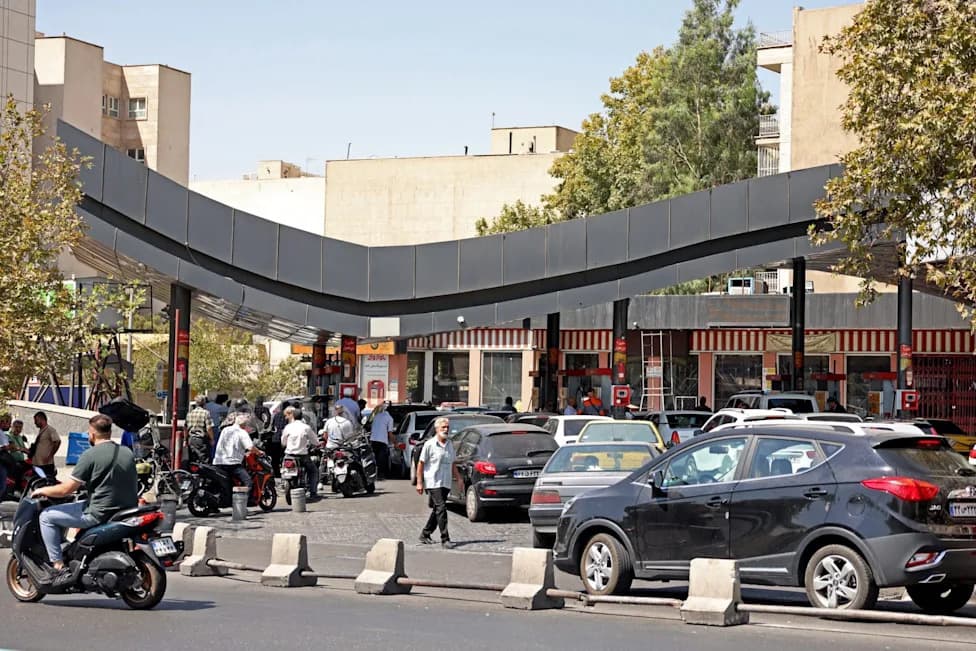
Iran has increased petrol prices again: the first 110 litres (about 29 gallons) remain at the current rate, while consumption beyond that allowance will be charged at 100,000 rials per litre, up from 50,000. Officials say the move responds to shrinking revenues, costly subsidies and international sanctions, and they point to a mismatch between domestic fuel consumption and production. Social media videos show long queues at Tehran petrol stations, and the second rise since December has raised concerns about potential unrest given memories of the 2019 protests.
Iran Raises Petrol Prices Again — First 110L Unchanged, Excess Consumption Charged Double
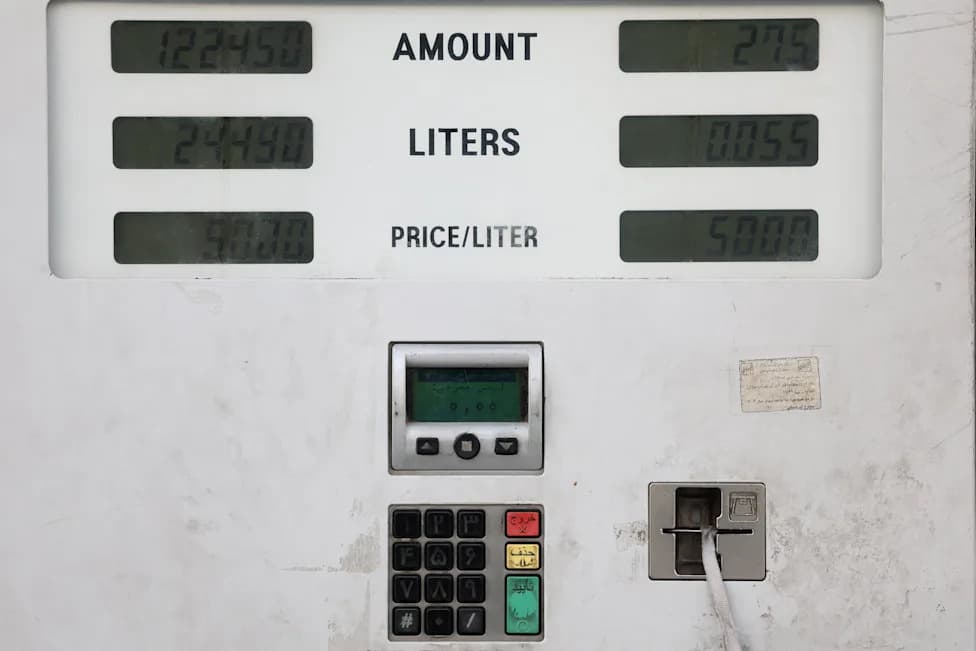
The price of gasoline is displayed on a dispenser, on the verge of a rise in petrol prices in Iran, at a petrol station in Tehran, Iran, September 7, 2026 [Majid Asgaripour/West Asia News Agency]
Iran has raised petrol prices again, keeping the price unchanged for the first 110 litres (about 29 gallons) per motorist while doubling the per-litre rate for any consumption beyond that allowance from 50,000 rials to 100,000 rials, state media reported.
Why Authorities Are Acting
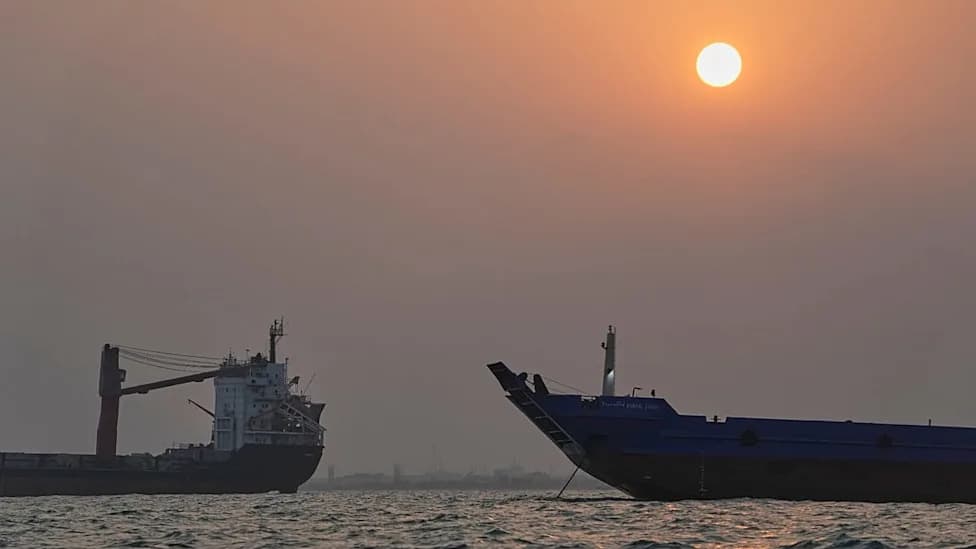
Officials say the measure aims to address falling state revenues and the growing cost of maintaining fuel subsidies amid prolonged economic strain, including international sanctions and what Iranian authorities describe as a siege on some ports by US forces. Authorities also cite a persistent gap between domestic fuel consumption and production as a key driver of the change.
"If we consume it properly, we can manage with the amount of gasoline we produce in the country," Mohammad Bagher Ghalibaf, Speaker of the Iranian Parliament, said in a televised address. "What is clear is that we need to save gasoline in our consumption. Of course, part of the responsibility for this high consumption does not lie with our people; it lies with our industry."
Public Reaction And Risks
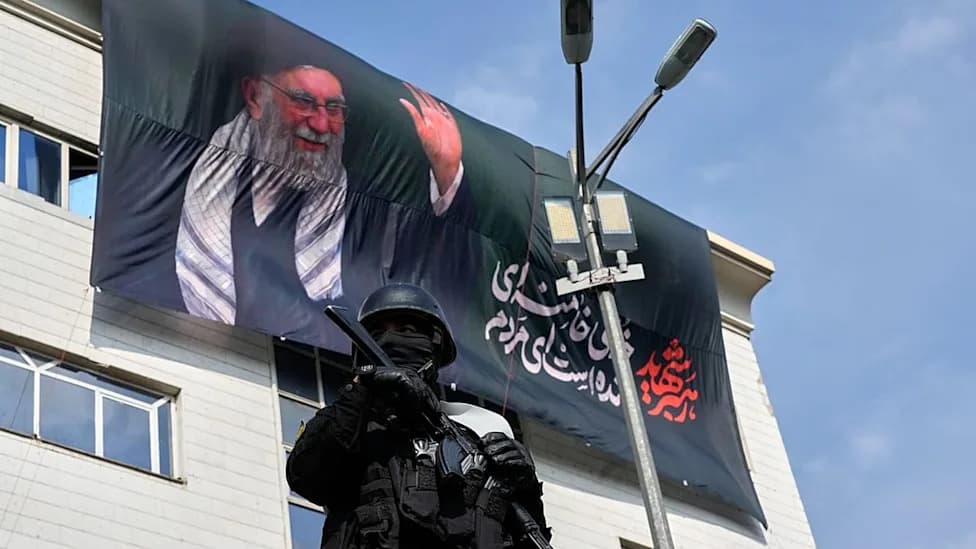
Videos circulating on social media reportedly show long queues at petrol stations in Tehran. This is the second petrol price rise since December, and officials and analysts worry that further increases could trigger public unrest. Large anti-government protests in 2019 began after a fuel price hike, making this a politically sensitive policy move.
The broader economy is under pressure from high inflation, a weakening rial and a slowdown in activity, heightening the risks associated with subsidy reform and price adjustments.
What To Watch
Key items to monitor include official guidance on how the 110-litre allowance is allocated (for example, whether it is monthly or per vehicle), any exemptions for essential services, reports of supply disruptions at pumps, and public reaction across major cities.
Help us improve.