Syria's new parliament has voted to abolish the 2012 Counter‑Terrorism Court and annul its rulings, formalising earlier executive actions under President Ahmed al‑Sharaa. The UN had previously criticised the court's legal framework for lacking key judicial safeguards. In the northeast, Kurdish protests over steep fuel price hikes and the integration of the SDF into the national army have blocked major roads and stranded hundreds of tanker trucks. Parliament will question the energy minister as tensions over language, education and local rights persist.
Syria Abolishes Assad‑Era Counter‑Terrorism Court As Kurdish Protests Over Fuel Prices Escalate
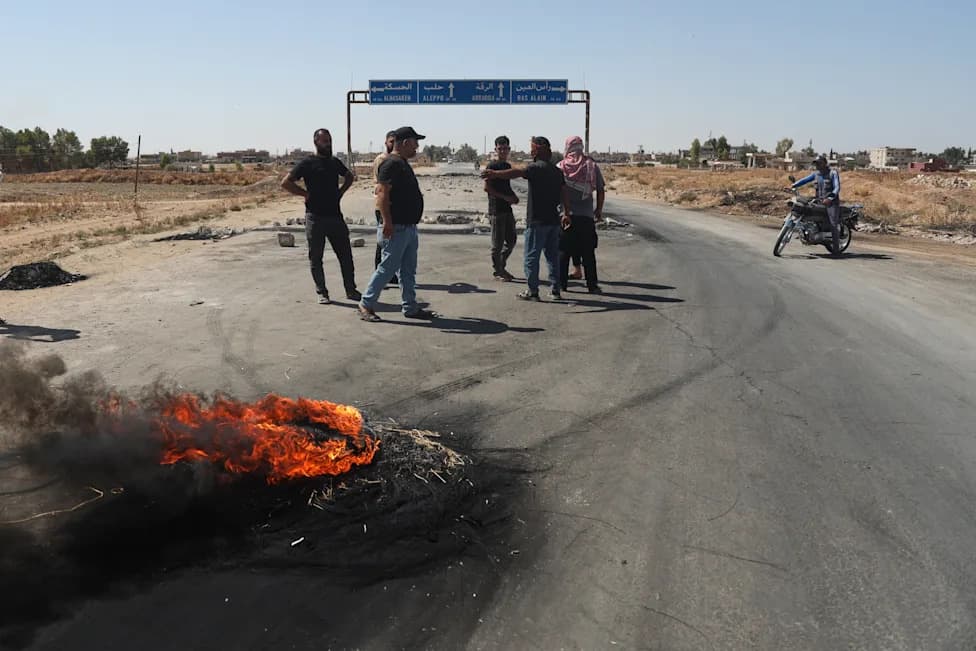
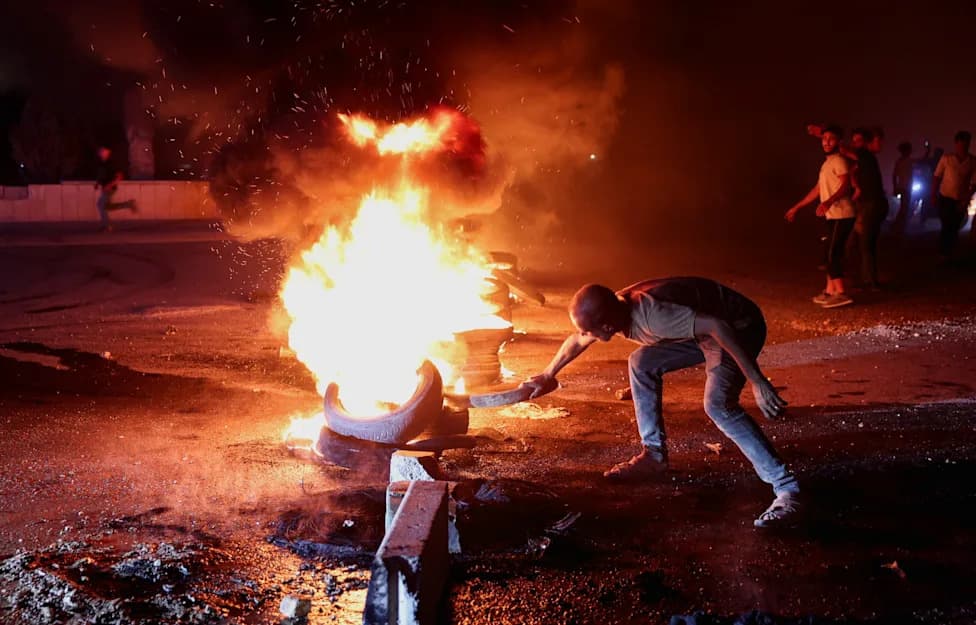
Demonstrators shut down the M4 highway near the town of Tal Tamr, Syria, blocking trucks bringing oil from the country's Qamishli and Rmeilan oilfields [Baderkhan Ahmad/AP]
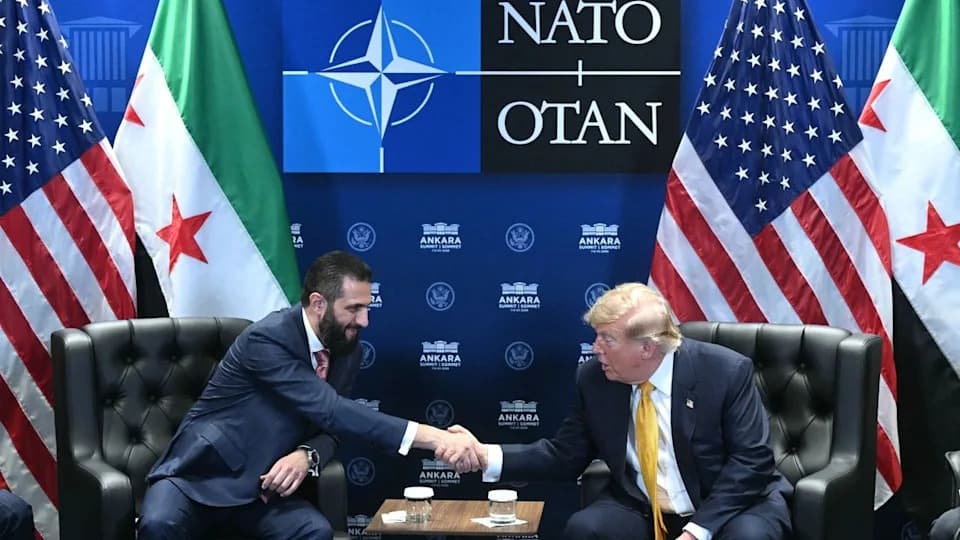
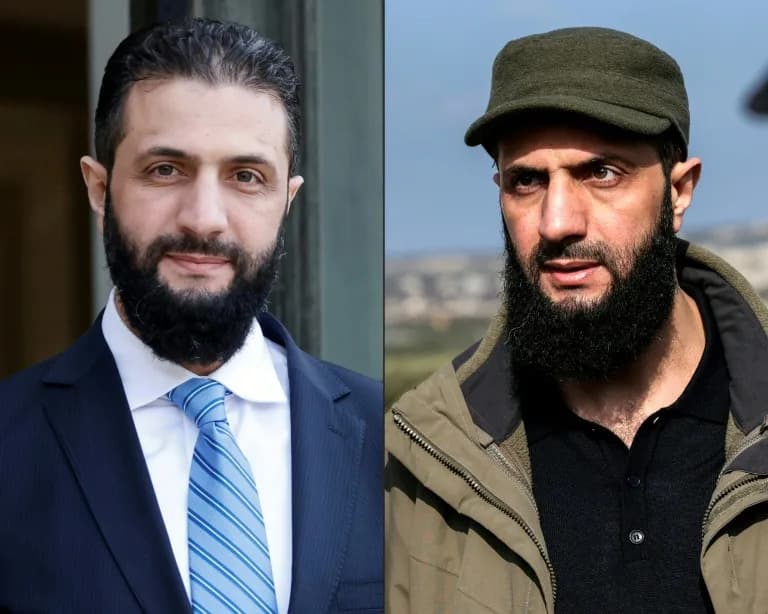
Syria's newly seated parliament has voted to formally abolish the 2012 Counter‑Terrorism Court and annul the legal effects of its rulings, a major early step by the post‑war leadership as unrest simmers in the country's northeast.
The vote, reported by state broadcaster Al‑Ekhbariya, codifies steps already taken by the new authorities to render the institution defunct. The court — created in 2012 under the al‑Assad government — was widely used to prosecute thousands of people on charges labelled as terrorism-related.
Legal and Institutional Changes
Earlier this year, Syria's March 2025 constitutional declaration called for nullifying what it described as unjust rulings issued by the Counter‑Terrorism Court and for returning confiscated property. In June 2025, President Ahmed al‑Sharaa issued a decree dismissing 67 judges who had served on the court.
Human rights bodies have long raised concerns about the court. In 2024 the United Nations Human Rights Committee said the 2012 law failed to provide essential judicial guarantees and highlighted risks of arbitrary detention, torture or ill‑treatment, and doubts about the court's independence.
Rising Tensions In The Northeast
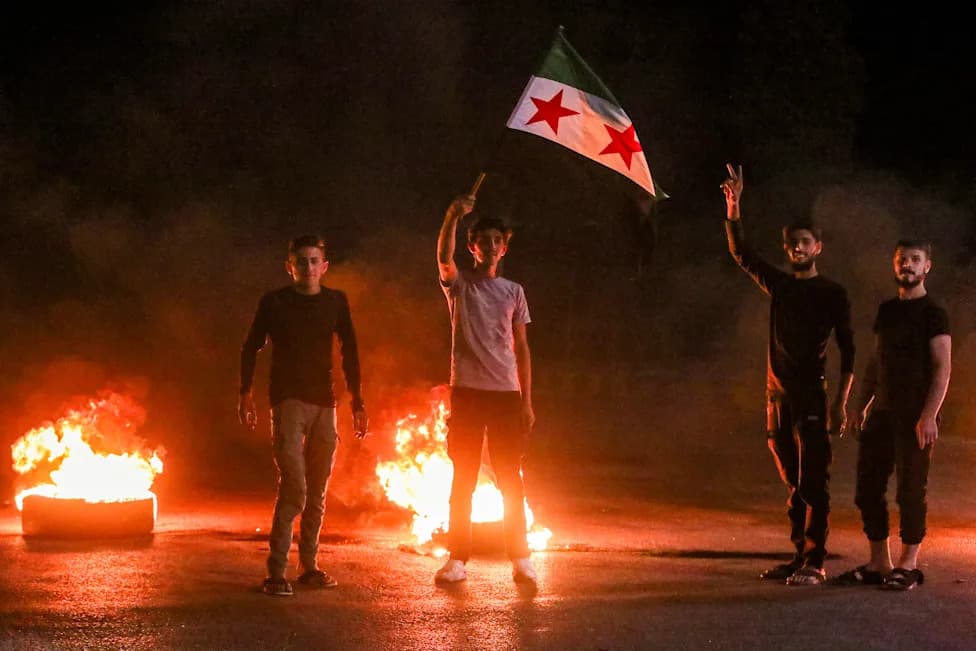
Beyond the judicial overhaul, protests have flared in northeastern Syria after the central government reasserted control over the region and removed long-standing fuel subsidies. Hundreds of oil tanker trucks were stranded when demonstrators blocked the M4 highway near Tal Tamr, obstructing deliveries from the Qamishli and Rmeilan oilfields.
The government announced another round of price increases over the weekend — raising petrol by roughly 30% and diesel by about 40% — citing global market pressures and repair work at the Baniyas refinery. Parliament has scheduled questions for Energy Minister Mohammed al‑Bashir about the spike in prices.
Tensions have also been driven by plans to integrate the Kurdish‑led Syrian Democratic Forces (SDF) into the national army under Damascus's command. An integration agreement reached this year has been portrayed by the government as a step toward national unity, but many in Kurdish areas view the move with suspicion and fear losing rights gained during self‑rule.
Language, Education And Local Concerns
Students in Qamishli and Hasakah have demonstrated against a government decree recognising Kurdish as an official language of instruction but limiting Kurdish‑language classes to three sessions per week — a sharp contrast with the largely Kurdish school system that operated under autonomous administration.
President al‑Sharaa has pledged constitutional protections for Kurdish language and political rights, yet community leaders and some politicians remain wary, saying the integration deal and new policies may have been shaped under external pressure and could weaken Kurdish influence.
Context Of Political Transition
The vote is one of the first major legislative actions by the new parliament, which assembled for the first time in July and spent its initial sessions setting internal rules and committees. The move follows the dramatic overthrow of Bashar al‑Assad on December 8, 2024, after an 11‑day offensive that ended the 53‑year rule of the al‑Assad family and marked the start of a difficult national transition.
What to watch next: whether parliament follows up with laws to restore property and compensate those affected by prior convictions, outcomes of the questioning of the energy minister, and whether protests in Kurdish areas escalate or are defused by concessions or guarantees.
Help us improve.