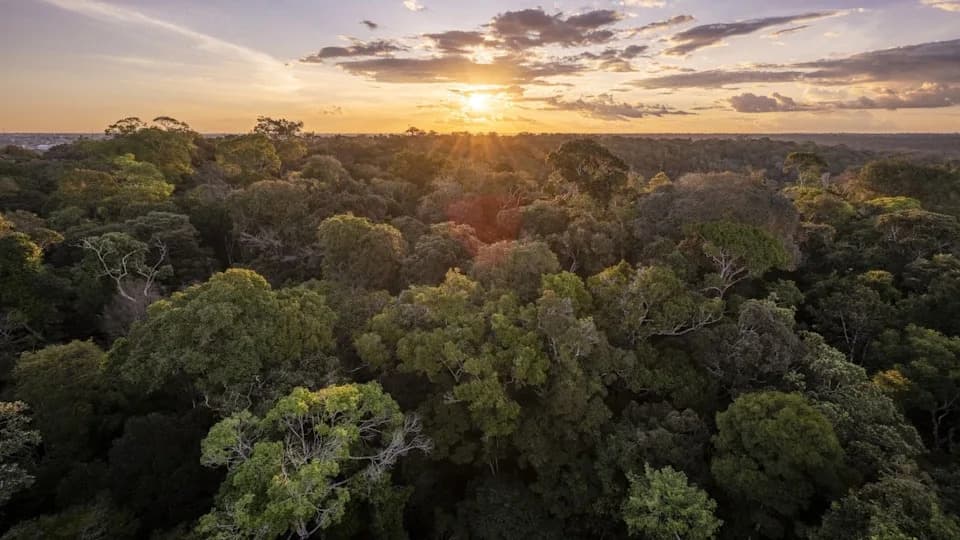
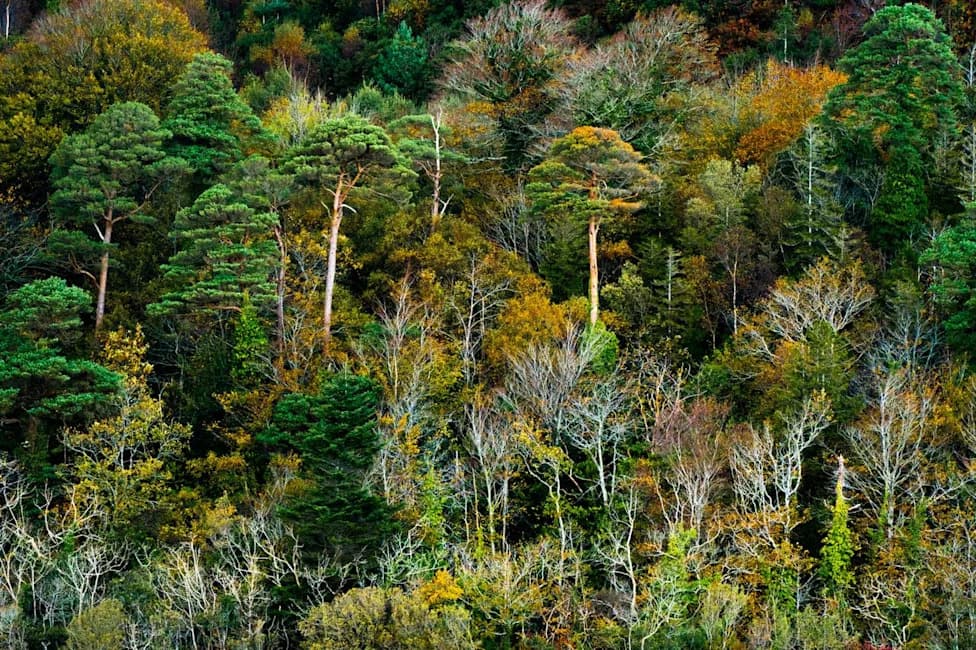
The study finds that 15–25 fast-growing, sun-tolerant tree species drive most early regeneration and carbon storage on cleared Amazon land. These pioneers form a cooling canopy (up to 6°C lower), add organic matter, and create conditions for later-arriving forest species. Researchers analyzed over 25,000 trees and palms across eastern Amazonia in plots aged 1–60 years. The results offer practical guidance for targeted, faster restoration at scale.
A Handful of Species Rebuild the Amazon: How 15–25 Trees Drive Forest Recovery and Carbon Capture
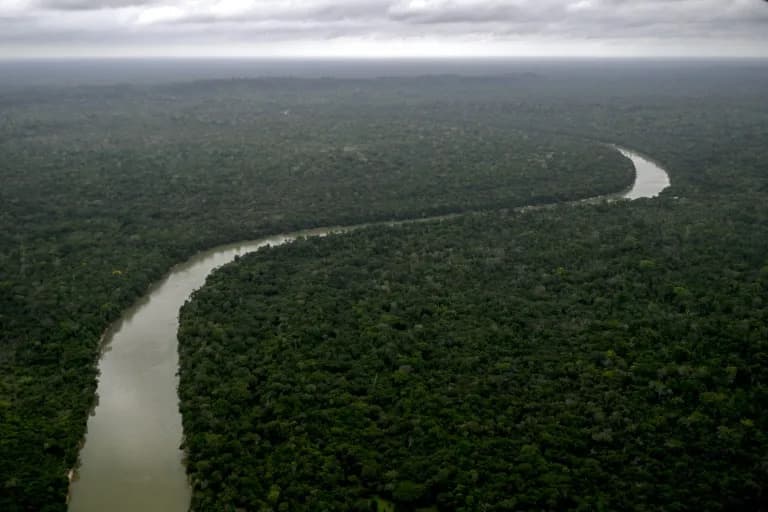
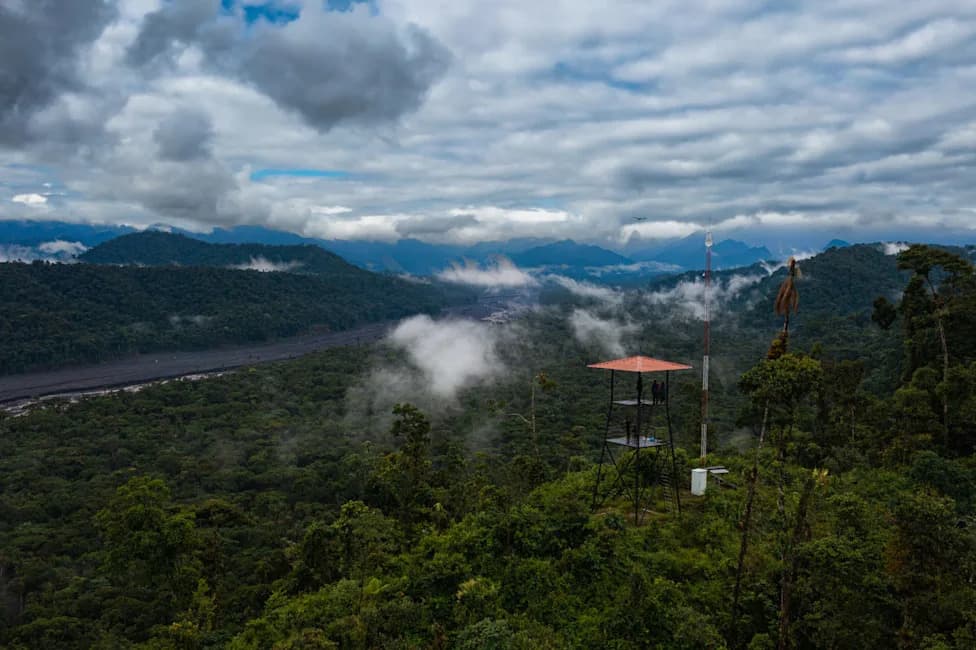
This aerial view shows the Amazon rainforest in Para - the most deforestated state in Brazil (Mauro PIMENTEL)
When cleared patches of the Amazon rainforest begin to regrow, just a few hardy tree species take the lead. A Brazilian study shows that roughly 15–25 fast-growing, sun-tolerant species are responsible for most early regeneration and carbon storage after land is abandoned.
Lead researcher Fernando Elias of the Emílio Goeldi Museum of Pará (Museu Paraense Emílio Goeldi) says these pioneers tolerate poor soils and blazing sun, colonize rapidly, and create conditions that allow later-arriving, shade‑loving species to establish.
'It's fantastic because the forest is resilient. These species give the forest a new chance,' Elias said, noting that removing a forest also strips away its ability to regulate climate.
How Pioneer Species Drive Recovery
These core species form an early canopy that can lower temperatures beneath it by up to six degrees Celsius. They drop abundant leaves that increase soil organic matter and kick-start nutrient cycles—effectively creating the microclimate and soil conditions needed for more demanding primary-forest species to arrive.
Examples From the Field
The study identified dominant regenerators such as Cecropia palmata (with a pale grey trunk and large, hand-shaped leaves) and Inga alba (whose pods contain a sweet white pulp). Palm species including the towering inajá and the babassu, valued by rural communities for oil-rich nuts, were also prominent.
Study Scope and Methods
Researchers analyzed data from regenerating forests in four regions of eastern Amazonia, covering more than 25,000 trees and palms. Sample plots ranged from just one year to 60 years into recovery, allowing the team to track how community composition and carbon stocks evolve over time.
Implications for Restoration and Climate Goals
Understanding which species dominate carbon stocks and ecosystem functioning can help prioritize and accelerate restoration: planting or encouraging these pioneer species could speed canopy closure, cool microclimates, and hasten soil recovery.
Brazil's National Institute for Space Research (INPE) estimates that an area roughly the size of Spain has been deforested in Brazil over the past four decades. Under President Luiz Inácio Lula da Silva, deforestation recently fell to a decade low, and Brazil has pledged to restore 12 million hectares under the Paris Agreement. The research was conducted as part of the Sustainable Amazon Network, an international collaboration tracking how deforestation and human activities are transforming the world's largest tropical rainforest.
Bottom line: A relatively small group of resilient pioneer species plays an outsized role in regenerating cleared Amazonian land and capturing carbon—insights that can make large-scale restoration efforts faster and more effective.
Help us improve.