New NBC News polling finds Americans remain wary of artificial intelligence: 70% are more worried than excited, and 67% view AI's societal risks as high or very high. Respondents think AI will do net good only in scientific research (55%) and health care (47%), while most other institutions are expected to suffer net harm. Just 19% say the government is doing enough to regulate AI, and the public largely trusts AI only for low-stakes tasks like recipes (74%); acceptance for classroom and sensitive personal uses remains low.
Americans Distrust AI: 70% Are More Worried Than Excited — Trust Limited to Recipes and Research
AP
Despite AI's growing role in the U.S. and global economy, public confidence in these systems remains low. A recent NBC News Decision Desk survey conducted Aug. 20–Sept. 1 finds Americans broadly skeptical of AI, trusting it in only a few narrow areas and worrying about its risks to society and institutions.
Poll Highlights
Widespread Anxiety: When asked whether they felt more excited or more worried about AI, 70% said they were more worried and just 30% said they were more excited. Only 8% judged AI's risks to society as low or very low, while 67% said those risks were high or very high.
Where Americans See Benefits — And Harms
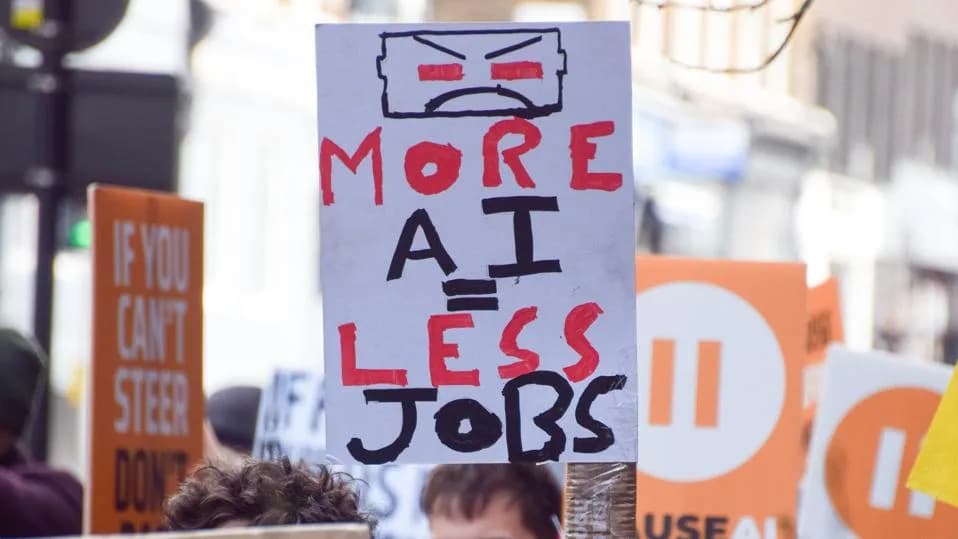
Respondents believe AI will do more good than harm only in scientific research (55% good vs. 26% harm) and health care (47% vs. 30%). On most other major institutions — including K–12 education, the economy, news and information, elections and democracy, higher education, national security, arts and entertainment, and jobs and the workplace — more people said AI would do more harm than good.
Trust, Politics, And Regulation
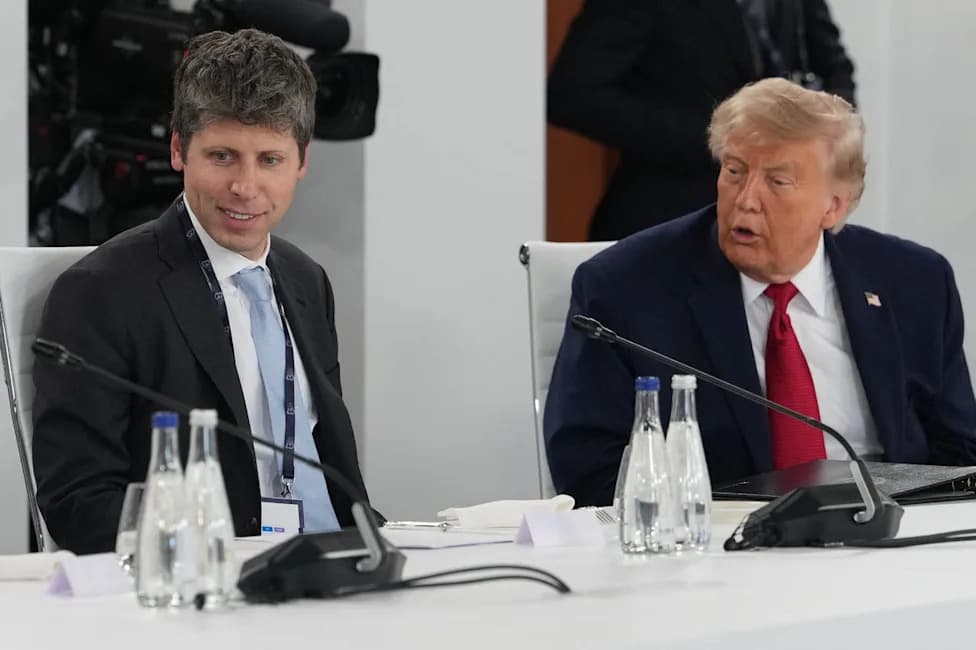
Majorities say the federal government is not doing enough: 81% said Washington is not doing enough to regulate AI, while only 19% said it is. To date, Congress has passed relatively little legislation directly regulating AI. Much federal action has focused on executive orders and agency guidance; direct federal limits remain fairly narrow and targeted, covering issues such as nonconsensual deepfakes, AI-generated robocalls, fake reviews, and export restrictions on advanced chips and certain model technologies.
On which party can be trusted to make good AI policy, 20% trusted the Democratic Party more, 16% trusted the Republican Party more, and a plurality of 44% trusted neither party.
Personal Trust And Everyday Uses
When it comes to personal uses, respondents mainly trust AI for low-stakes tasks: 74% said they trusted AI-generated recipes and cooking instructions. Trust falls sharply for more consequential topics: 35% for historical information, 33% for health conditions and medical treatments, and just 13% for parenting or relationship advice.
Education And Classroom Use
Americans appear increasingly cautious about AI in education. In a summer 2025 NBC poll, 53% said a school that integrates AI tools would better prepare students; in the latest poll that share fell to 44%. A minority — 31% — said no AI use is acceptable for completing school assignments. More accepted limited classroom uses: 49% for proofreading and editing, 41% for research and brainstorming, 38% for organizing or outlining ideas, and only 7% said it is acceptable for AI to write or generate assignment content.
Geopolitics
Concerns that the U.S. must keep advancing AI to avoid ceding leadership to China were not universal: 38% said China becoming the global AI leader was a significant concern, while the remaining 62% described it as only somewhat concerning, not very concerning, or not concerning at all.
Bottom line: The survey shows strong public skepticism about AI’s benefits beyond a few narrow domains, widespread desire for more governmental action, and notable caution about classroom and sensitive personal uses.
Help us improve.