LONDON/NEW YORK, Sept 16 (Reuters) - More than 20 skin-bleaching products that appear on official banned lists remain available for purchase on third-party marketplaces operated by Amazon, Temu and TikTok Shop across several countries, a Reuters review of public listings found.
Despite the 2013 Minamata Convention, to which more than 150 nations are party, prohibiting the manufacture, import or sale of mercury-added products, these items persist online. The World Health Organization warns that mercury can damage the kidneys, brain and nervous system, and that there is no known safe level of exposure.
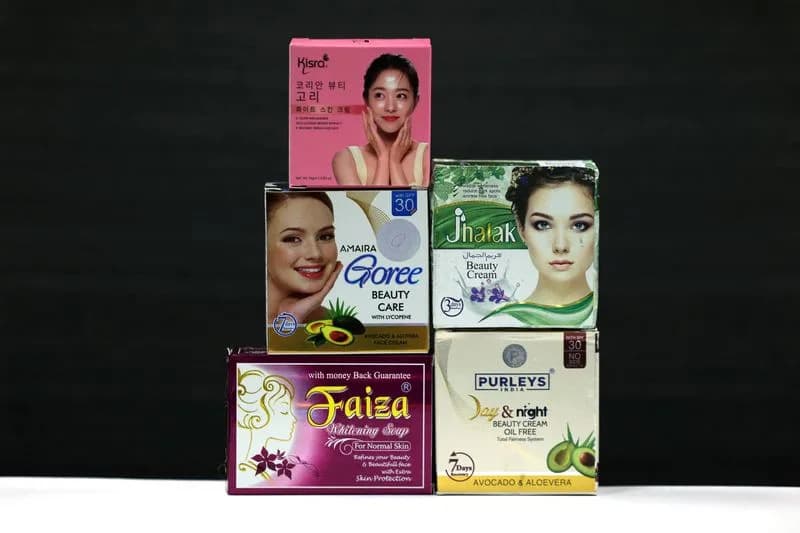
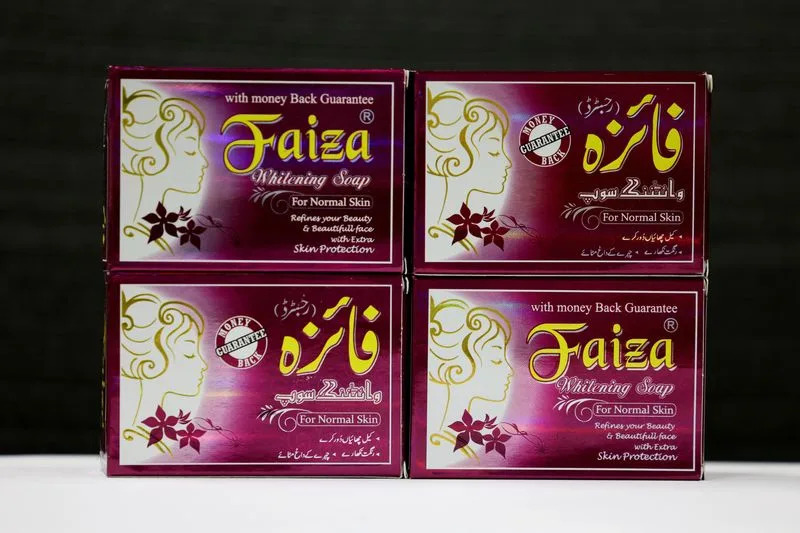
Faiza Whitening Soap packagings are seen in this illustration taken September 7, 2026. REUTERS/Bhawika Chhabra/Illustration
How The Products Persist
Reuters located over 20 products on U.S. e-commerce pages run by Amazon, Temu and TikTok Shop that match items on official banned-product lists, and found similar listings on Amazon marketplaces in France, India, the United Arab Emirates and Belgium, as of Sept. 1. None of the listings declare mercury as an ingredient; Reuters did not independently test the products for mercury content.
Investigators say some sellers are using evasive tactics: relisting items under different or misleading names, altering images, or shifting to new seller accounts soon after removals. Reuters journalists purchased a range of products from Amazon sites in the UK, France, Belgium and India and from Temu and TikTok Shop in the United States, including Pakistani-made creams, Mexican-made bleaching creams and Philippine-made bleaching soaps.
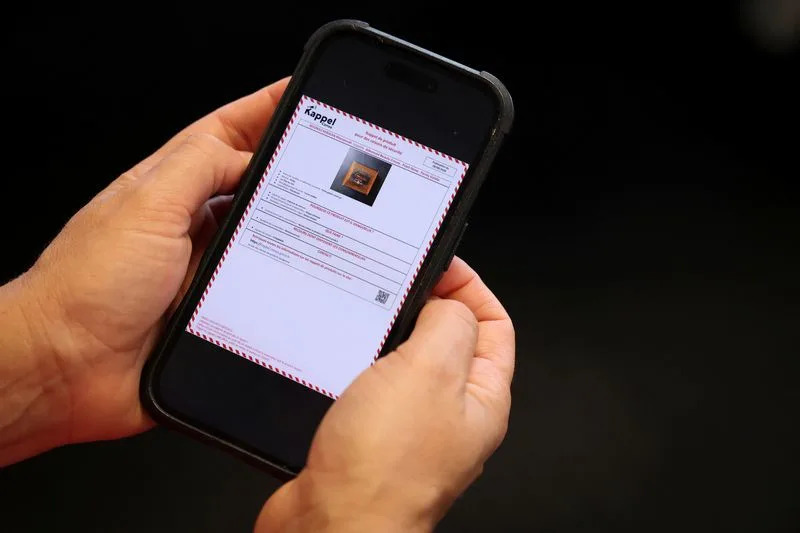
A person holds a mobile phone displaying a French government recall notice for the skin-bleaching cream "Parley Goldie Beauty Cream", a product confirmed to contain mercury, in this illustration photo taken in Paris, France, on September 4, 2026. REUTERS/Stephanie Lecocq/Illustration
Why Demand Persists
Skin lightening is a multibillion-dollar industry with strong demand in regions including Asia, Africa and the Caribbean. Experts say mercury remains attractive to some sellers and buyers because it often produces rapid lightening effects and is inexpensive to formulate.
'Mercury gives you lightening effects within days, far faster than legal agents like kojic acid or arbutin,' said Winston Morgan, professor of toxicology, equity and inclusive practice at the University of East London. 'Mercury is also relatively cheap, easy to formulate into creams and stable.'
A 2021 Boston University study found that products containing kojic acid averaged about $24.89 an ounce — substantially higher than the roughly $6.50 an ounce Reuters found for suspected mercury-containing items sold in the United States in mid-September.
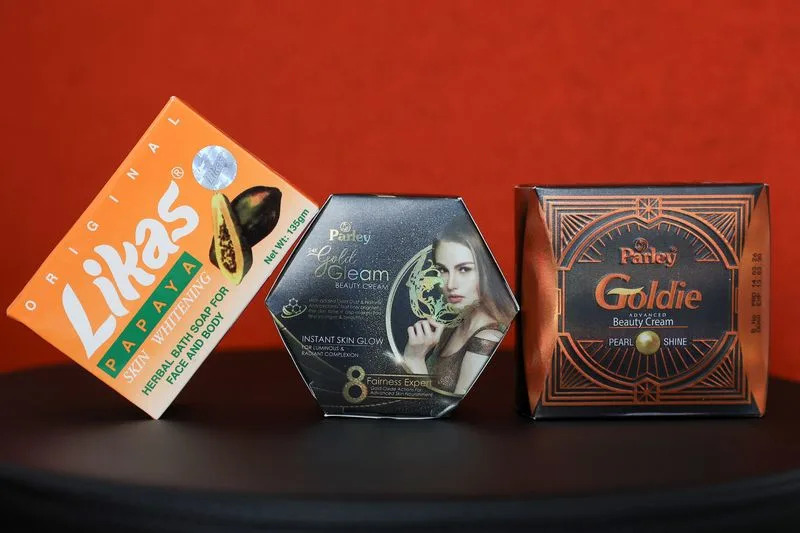
Boxes of Likas Papaya Soap, Parley 24k Gold Beauty Cream, and Parley Goldie Beauty Cream, skin-bleaching products found to contain mercury, in this illustration photo taken in Paris, France, September 4, 2026. REUTERS/Stephanie Lecocq/Illustration
Regulatory Limits And Testing
The U.S. Food and Drug Administration limits total mercury in cosmetics to no more than 1 part per million. Regulators and experts report that many illegal skin-bleaching products that have been tested contain far higher concentrations — in some cases between 10 and 100,000 milligrams per liter — posing serious health risks.
Platforms' Responses And Enforcement Gaps
Amazon, Temu and TikTok told Reuters they prohibit these specific products and are taking steps to remove offending listings and act against sellers. Amazon said it uses seller verification, compliance documentation and third-party lab testing prior to listings and is refining controls to suspend 'evasive sellers.' TikTok and Temu said they remove listings that violate platform rules or applicable laws.
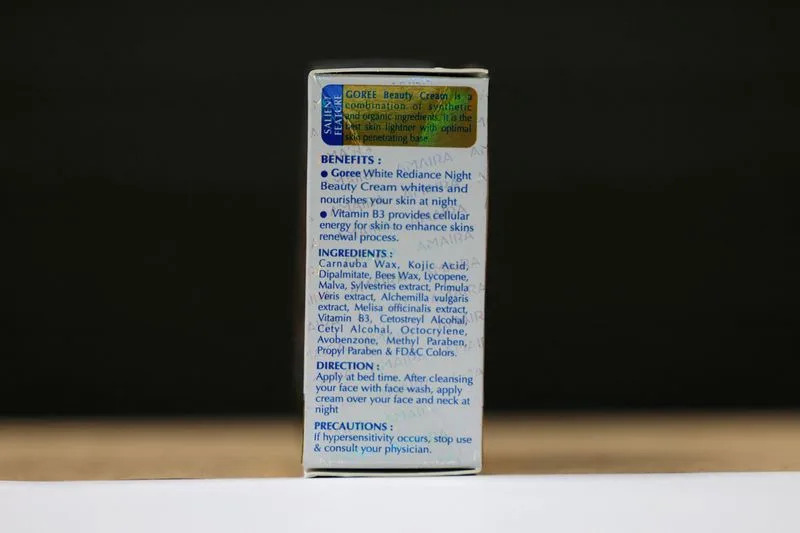
Ingredients and other information on a packaging of Amaira Goree Beauty care face cream are seen in this illustration taken September 7, 2026. REUTERS/Bhawika Chhabra/Illustration
Public-health advocates and regulators say enforcement remains challenging because of the platforms' business models, the cross-border nature of sales and the speed with which sellers relist items. The FDA said removing fraudulent products from the market is a top priority and has issued warning letters and published lists of offending creams. The World Health Organization called for greater regulation and coordination among governments, sellers and platforms.
Recent Actions
French authorities issued a recall on Aug. 28 for 'Advanced Beauty Cream - Pearl Shine - Parley Goldie,' a product Reuters found available in early August; it was still listed on Amazon's Belgian site as of Aug. 31. The FDA has compiled lists of products it says contain mercury and has sought expert help from groups such as the Zero Mercury Working Group.
What Consumers Should Know
Consumers should avoid skin-bleaching products of unclear origin or that do not list ingredients transparently. Health officials advise that any product not certified or clearly compliant with local safety standards could pose significant risks.
Stronger cross-border enforcement, faster platform takedowns, and broader public awareness are widely seen as essential to curb the online sale of mercury-containing skin-bleaching products.