New research in Cerebral Cortex shows that aging leads to less precise memories because the brain tends to blend similar experiences rather than replaying exact events. In an imaging study comparing young, middle-aged and older adults, older participants made more memory confusions and showed weaker or inconsistent hippocampal pattern reinstatement across encoding, rest and retrieval. Surprisingly, reinstating hippocampal patterns did not always prevent mistakes in older adults, suggesting the hippocampus may alter memory representations with age. Further research will explore whether exercise, mindfulness, brain stimulation or practical aids can reduce these mix-ups.
Why We Mix Up Memories: Aging Brains Tend to Blend Similar Events
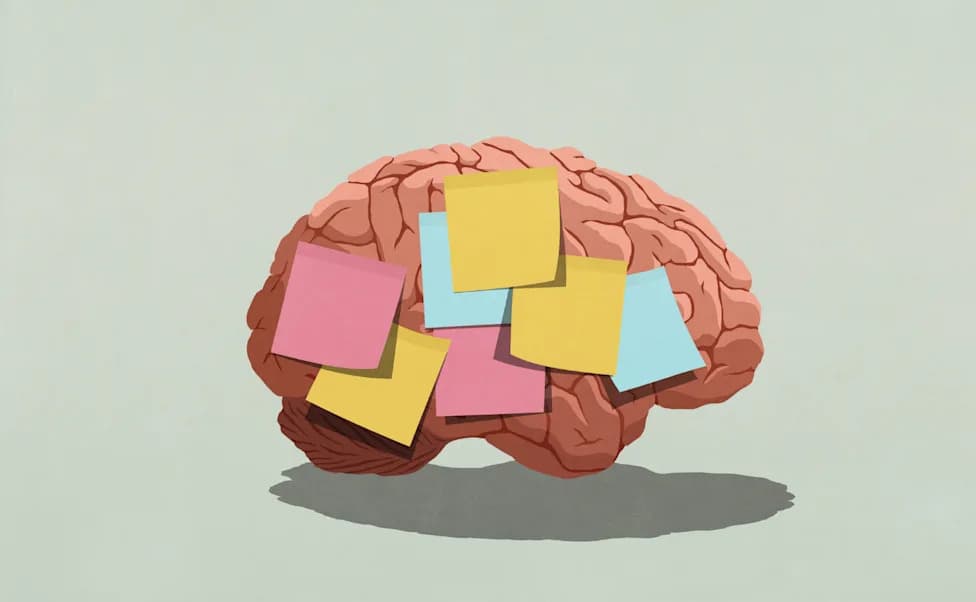
Why Do We Mix up Memories? A New Study Sheds Light
Old age is often linked with forgetfulness, but recent research suggests a subtler change: memories become less precise. A new imaging study published in the journal Cerebral Cortex indicates that, with age, the brain is more likely to blend related experiences instead of faithfully replaying the exact event you need.
Memory unfolds in stages. First comes the online experience—perceiving, feeling and encoding details as events happen. Next is consolidation, when those encoded details are stored. Finally, retrieval is the act of searching that internal filing cabinet to bring a specific episode back to mind. Errors can arise at any of these stages.
Imagine recalling a recent conversation with a friend but unintentionally pulling in details from an earlier chat with your partner. That substitution—confusing which detail belongs to which event—is the kind of mix-up this study aimed to understand and measure.
How the Study Worked
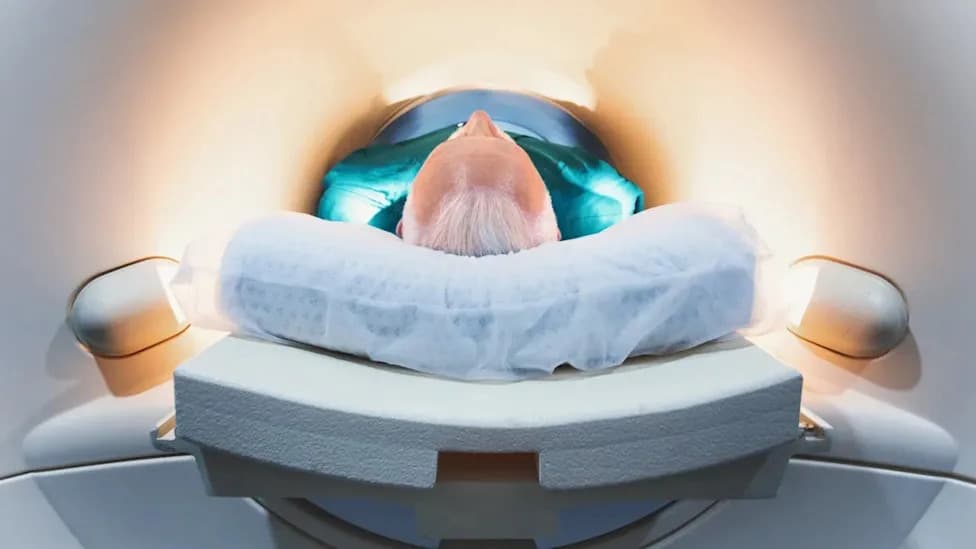
The research team scanned the brains of young, middle-aged and older adults while they completed tasks designed to mimic encoding, consolidation and retrieval. In the scanner, participants briefly saw a face at the top of the screen and either a scene or an object (for example, a forest or an apple) at the bottom. They were asked to imagine the person interacting with the scene or object, treating each face–image pair as a distinct event.
After the encoding phase participants rested for 20 minutes while brain activity continued to be recorded. During the retrieval phase a previously seen face reappeared above four images, and participants had to select which image had originally been paired with that face. The test was repeated several times to measure how consistently participants recalled links between faces and images across events.
Key Findings
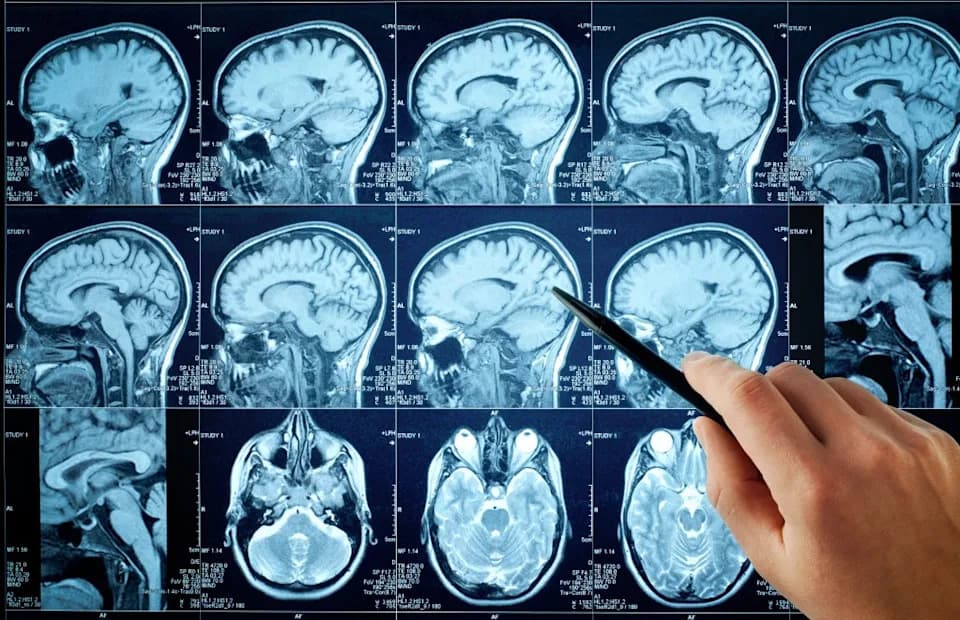
Older adults made more memory confusions than younger participants—for example, more often selecting a forest when the original partner image had been an apple. Brain data showed that the hippocampus, a central structure for memory, did not consistently repeat the same activity patterns across encoding, rest and retrieval stages in older adults. Surprisingly, even when older adults did reinstate hippocampal patterns similar to those seen at encoding, they were still more prone to confuse memories.
These results suggest that aging may cause the hippocampus to inappropriately alter or combine memory representations across stages, producing blended or less precise recollections rather than clean retrievals of specific events.
Implications and Next Steps
The study raises new questions: What neural signature marks a correct retrieval in older adults? Are other brain regions compensating for hippocampal changes? The researchers did not resolve these issues, and further work is needed to map how different brain regions interact over time.
Potential future interventions aim to strengthen memory stability after encoding. Candidate approaches include intensive exercise, mindfulness training, targeted brain stimulation and simple aids such as recording memory cues on smartphones. However, whether altering hippocampal activity can reliably prevent memory blending over long periods remains to be demonstrated.
Ian McDonough, Associate Professor of Psychology, Binghamton University, State University of New York
This article is republished from The Conversation under a Creative Commons license.
Help us improve.