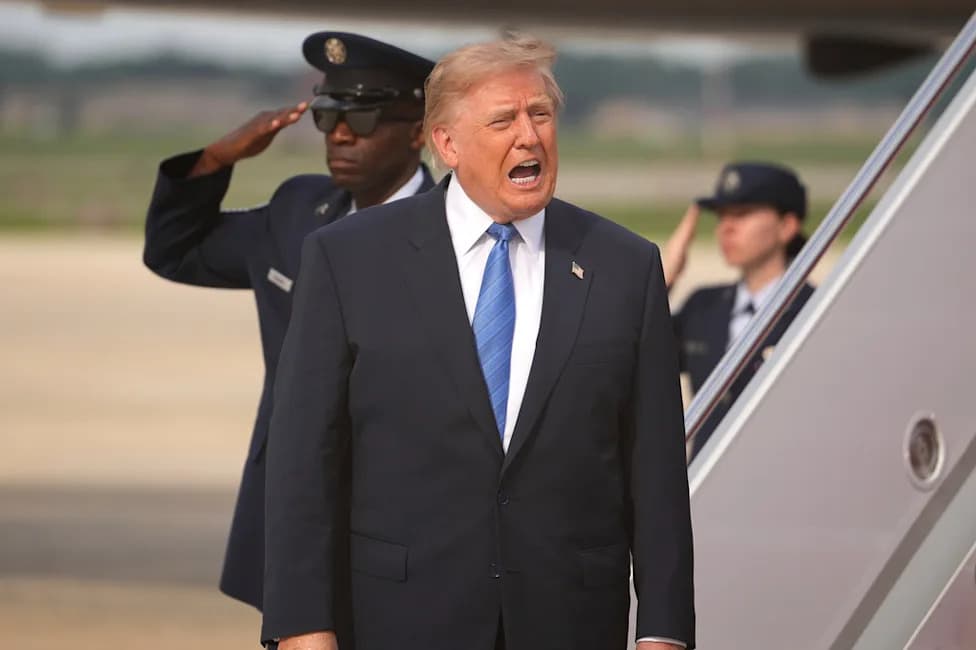
Donald Trump executed nearly 28,700 stock trades over 17 months—outpacing the roughly 22,200 transactions reported by all members of Congress combined, per a Bloomberg review through June. House Republicans approved a bill to bar members, spouses and dependents from trading individual stocks, but it does not cover the president. The White House says outside managers run Mr. Trump’s investments; legal experts say enforcing a ban against a sitting president would be difficult under current law.
Trump Executed Nearly 28,700 Stock Trades Over 17 Months While Backing A Trading Ban That Wouldn't Cover Him
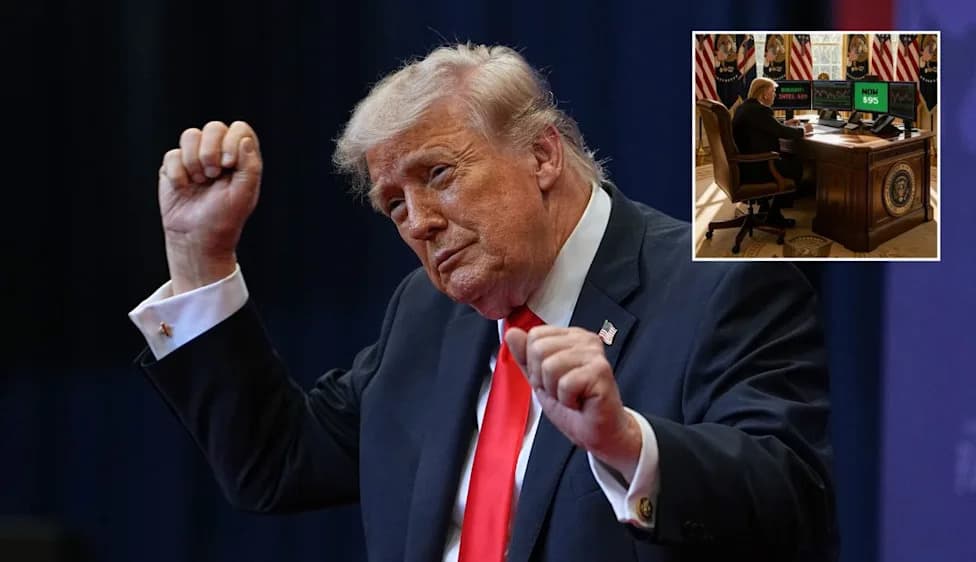
Trump stock trades Congress ban chart. Photo by BeInCrypto
Donald Trump executed almost 28,700 stock trades across a 17-month period—more than the roughly 22,200 transactions reported by all members of Congress combined—according to a Bloomberg review of financial disclosures through June. The disclosures and the White House response have taken on new urgency as House Republicans make lawmakers' trading a midterm campaign issue.
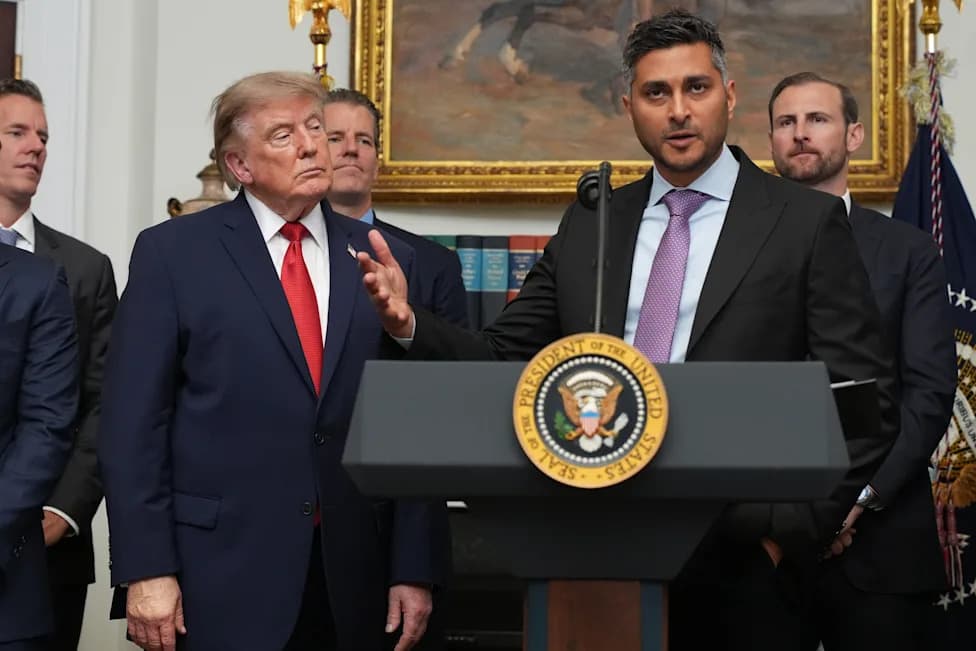
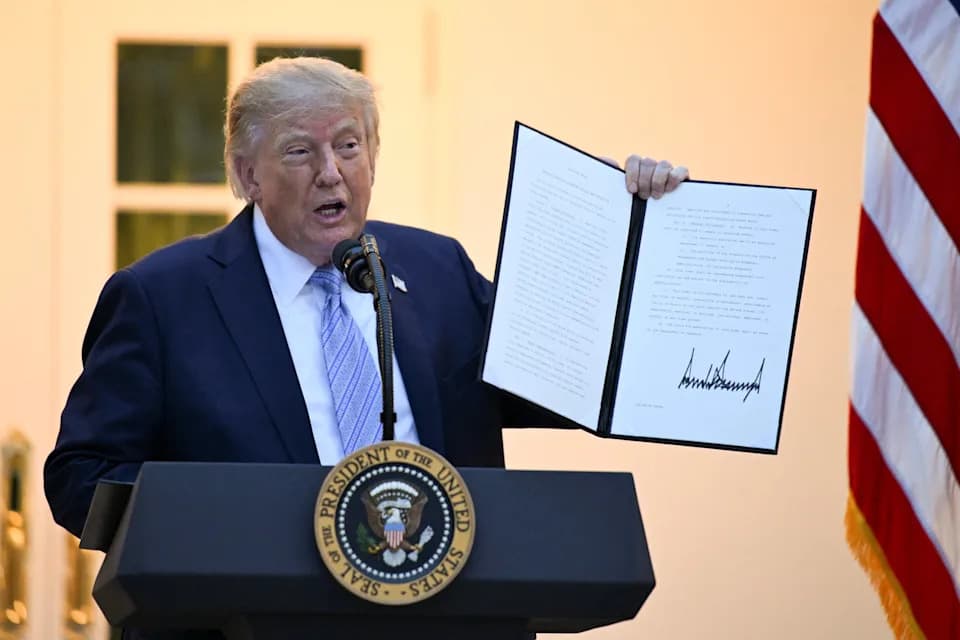
The House in July approved legislation that would bar members of Congress, their spouses and dependent children from buying and selling individual stocks; the measure does not mention the president. Mr. Trump has publicly backed the measure, urging Congress in his State of the Union address to pass it "without delay." The White House says outside firms manage the president's holdings using index-tracking models and that neither Mr. Trump nor his family directs trades.
Political Push and Policy Questions
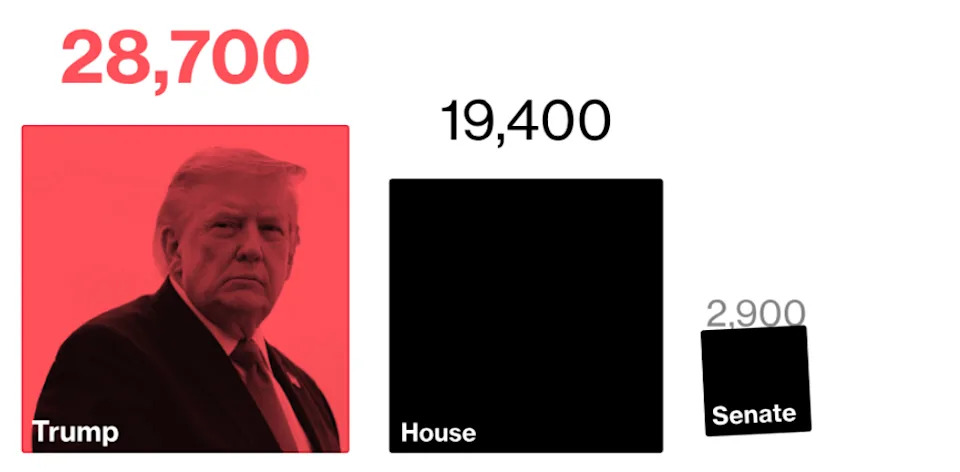
Trump eclipses the whole of congress for stock trades. Image Source: Bloomberg.
Representative Anna Paulina Luna, a lead sponsor of the bill, framed the proposal as an accountability reform at a Republican convention in Dallas, saying the public deserves assurance that elected officials "serve the American people and not their own wallets." At the same time, Mr. Trump has pushed back against efforts to extend the ban to the presidency—calling Senator Josh Hawley a "pawn" after Hawley suggested presidential trading limits.
The president has singled out other lawmakers—most notably former House Speaker Nancy Pelosi—for scrutiny over stock trading. His own filings, however, show a pattern of frequent trades and include instances where he highlighted gains shortly after buying stakes, such as a DoorDash position he held before hosting a White House event related to deliveries.
"Because the stock market's going up. Everybody's profiting," Mr. Trump said when asked about the appearance of a conflict.
A May Economist/YouGov poll found roughly three-quarters of Americans support barring elected officials from trading individual stocks. But legal experts note practical and constitutional hurdles: penalties under the Stop Trading on Congressional Knowledge (STOCK) Act of 2012 begin at about $200, and analysts say the Department of Justice would face major challenges enforcing a trading ban against a sitting president without clearer legal authority.
Why It Matters
The juxtaposition of Mr. Trump's trading volume and his support for a ban that would not apply to the presidency highlights a growing political debate over conflicts of interest and the limits of existing ethics rules. Republican leaders have turned officials' market activity into a campaign theme, while legal scholars emphasize that meaningful reform would require both political will and legal clarity to withstand constitutional and enforcement challenges.
Help us improve.