Hilary Eaton, a Boston biotech executive, used ChatGPT to organize years of her daughter Olivia’s fragmented medical records. The AI highlighted possible immune and genetic links—most notably Common Variable Immunodeficiency (CVID)—which clinicians then confirmed. After diagnosis, Olivia began monthly IVIG infusions and experienced a dramatic drop in infections and missed school days. Eaton stresses ChatGPT guided questions and evidence-gathering but did not replace doctors.
How ChatGPT Helped a Mother Uncover Rare Immune and Neurodevelopmental Conditions in Her Daughter
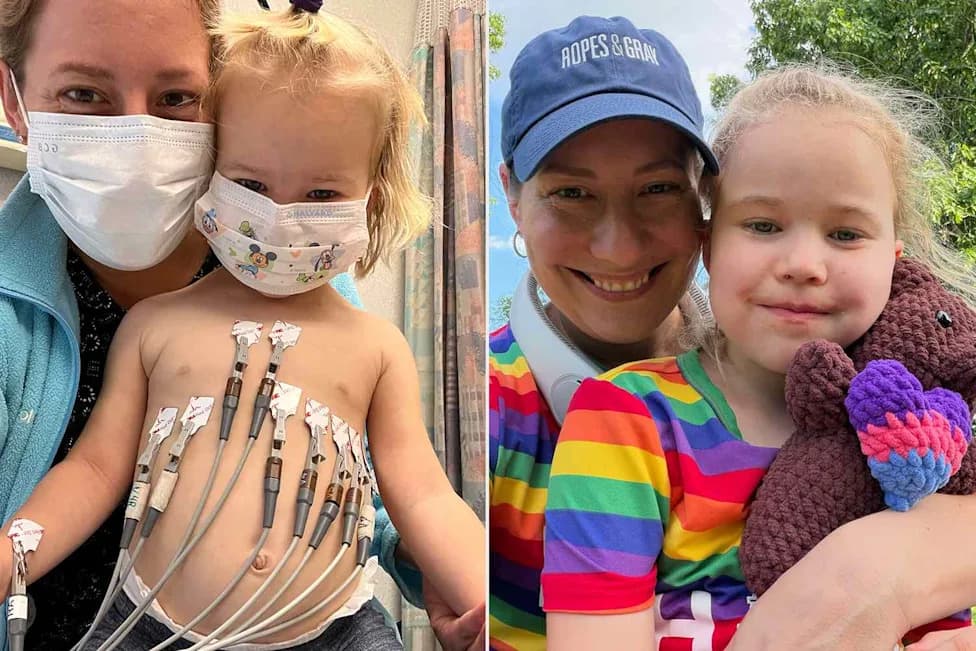
Hilary Eaton with daughter, OliviaCredit: Courtesy of Hilary Eaton
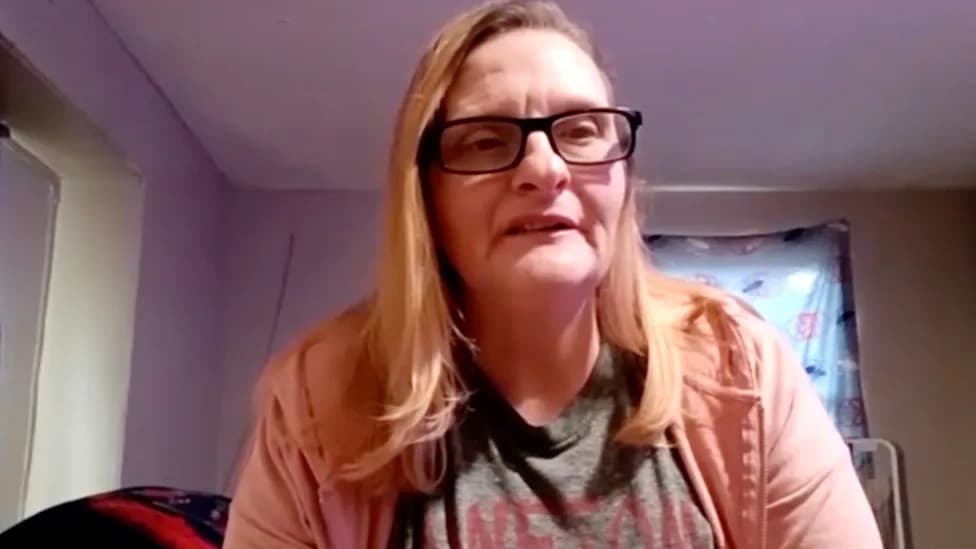
After years of unanswered questions, hundreds of appointments and dozens of specialists, Boston biotech executive Hilary Eaton used ChatGPT to help organize her daughter Olivia’s complex medical history. The AI didn’t diagnose Olivia, Eaton stresses—but it highlighted patterns and genetic clues that clinicians then investigated and confirmed.
From Fragmented Records to Clearer Leads
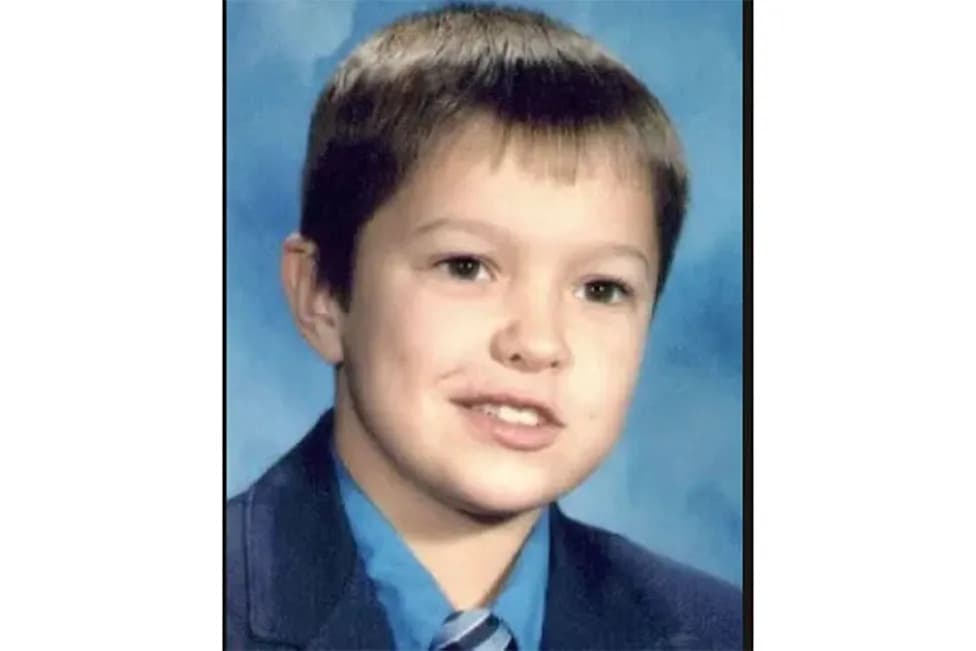
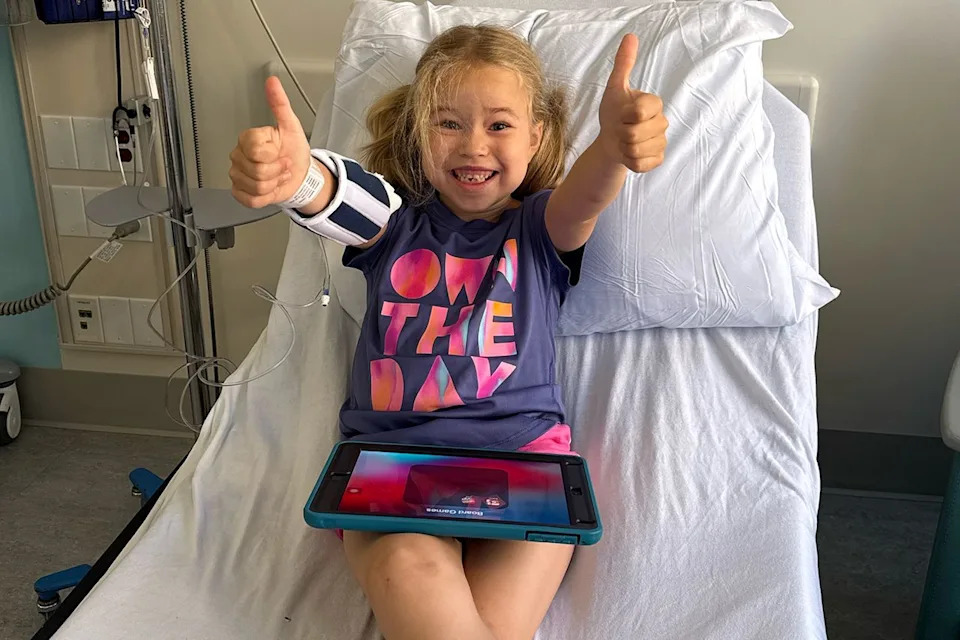
Olivia’s health problems began in infancy: she failed her newborn hearing screen, showed developmental delays, and suffered frequent infections. At one point the family was managing more than 150 doctor visits a year and consultations with roughly 49 specialists while compiling years of medical records, genetic tests and therapy notes.
Credit: Courtesy of Hilary Eaton
Exhausted by the volume of clinical data, Eaton—who has a scientific background and had been using AI professionally—began inputting medical notes, test results and observations into ChatGPT. The tool suggested immune-system issues, including Common Variable Immunodeficiency (CVID), and pointed to genetic leads Eaton had not previously pursued. Eaton used the AI’s citations and explanations to bring specific questions and evidence back to her medical team.
"I was like, 'F--- it. You know what? I'm going to just put all this stuff in ChatGPT,'" Eaton recalled. "ChatGPT told me where to look."
Clinical Confirmation and Treatment
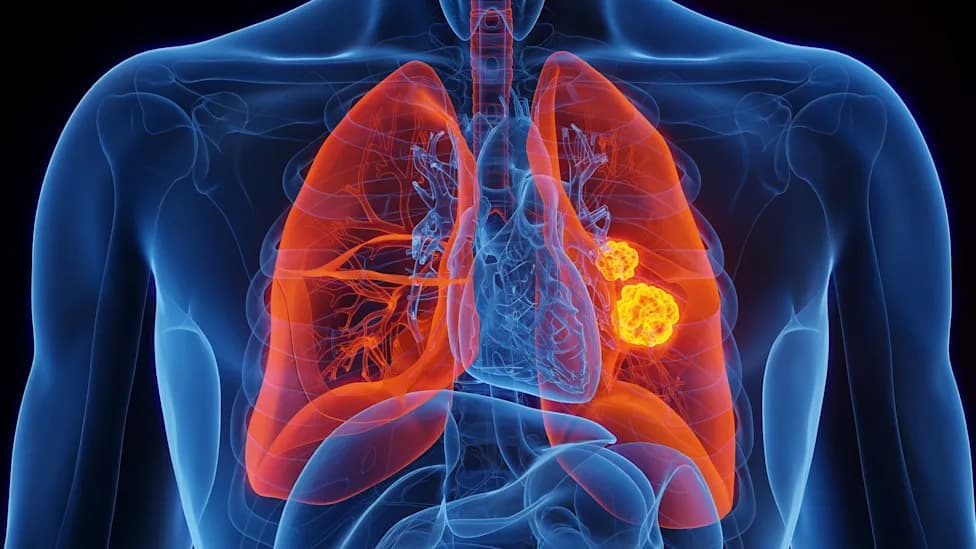
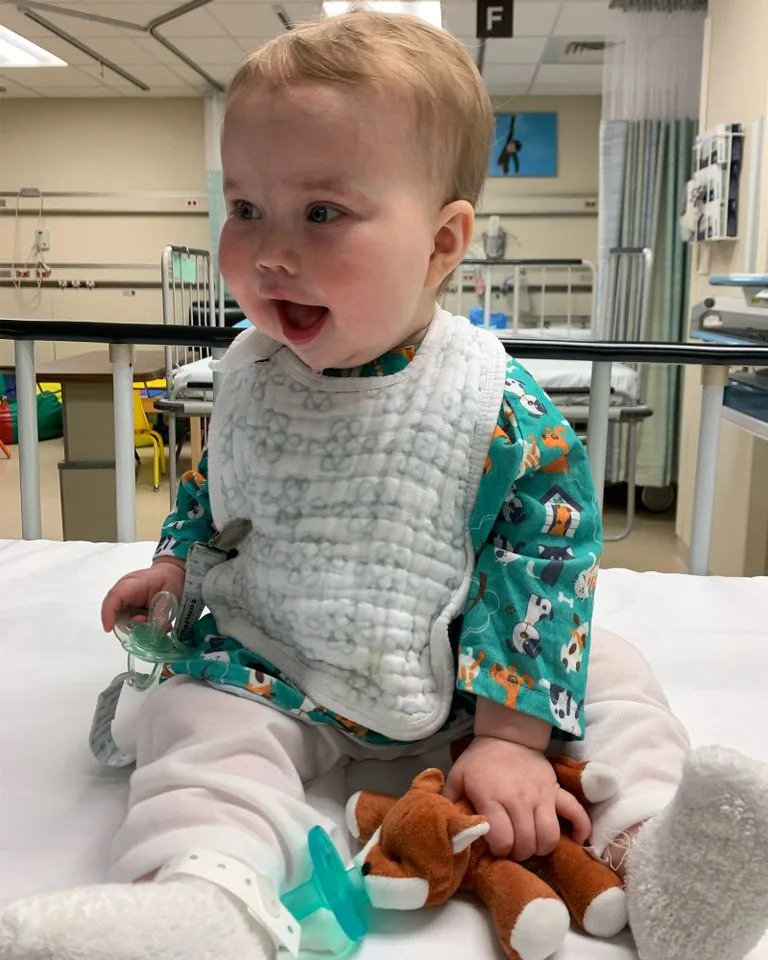
Clinical laboratories and further genetic testing independently confirmed diagnoses that included CVID and a rare neurodevelopmental syndrome tied to immune dysfunction and B-cell abnormalities. Those findings led to monthly intravenous immunoglobulin (IVIG) infusions to provide antibodies and reduce Olivia’s infection risk.
Credit: Courtesy of Hilary Eaton
Before treatment, Olivia missed large amounts of school and the family received truancy notices. After starting IVIG, she missed only about three days the following school year—a change Eaton described as "life-changing." The diagnosis also prompted Eaton to ask whether other specialists were needed; ChatGPT suggested neurology, which eventually led to additional testing.
Targeted Tests and Improved Care
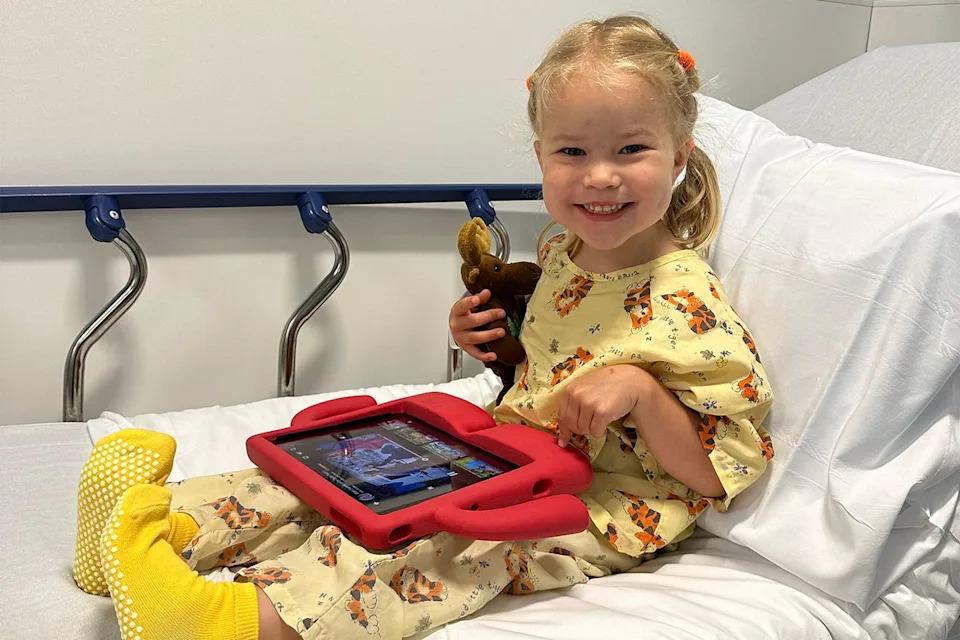
When Olivia developed motor tics, Eaton again used ChatGPT to prepare focused questions and suggest tests. The neurologist agreed to a baseline electroencephalogram (EEG), which detected abnormal brain activity—much of it during sleep—and helped explain lifelong sleep disruptions. After medication adjustments, Olivia’s sleep improved.
Credit: Courtesy of Hilary Eaton
Throughout the process Eaton emphasized that AI was a tool that helped organize and prioritize data, not a substitute for clinical judgment: "AI is an amazing, wonderful tool. But a tool is only as good as how you choose to use it and what information you feed it," she said.
What This Means For Other Families
Olivia now understands her body works differently from other children: she recognizes that monthly infusions protect her and that she gets sick far less often. Eaton hopes sharing the family’s journey will help other parents spot similar patterns earlier and encourage more research into rare conditions.
Help us improve.