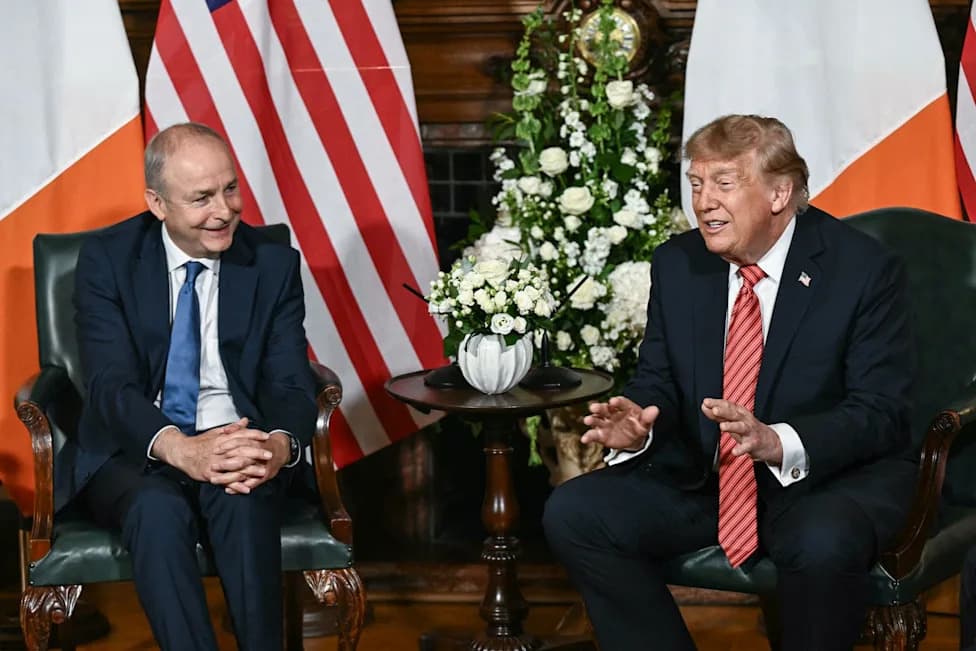
President Trump publicly endorsed Irish reunification during a Sept. 12, 2026 meeting with Irish taoiseach Micheál Martin, breaking the post‑1998 U.S. tradition of neutrality on the issue. The remarks drew condemnation from Ireland’s government, Northern Irish unionists and British conservatives. Historically, U.S. presidents have oscillated between rhetorical sympathy for Irish nationalism and practical neutrality; public opinion on the island now shows growing support for reunification but also meaningful opposition and strong U.K. resistance.
Trump Backs Irish Reunification, Breaking Post‑Good Friday Neutrality and Sparking Backlash
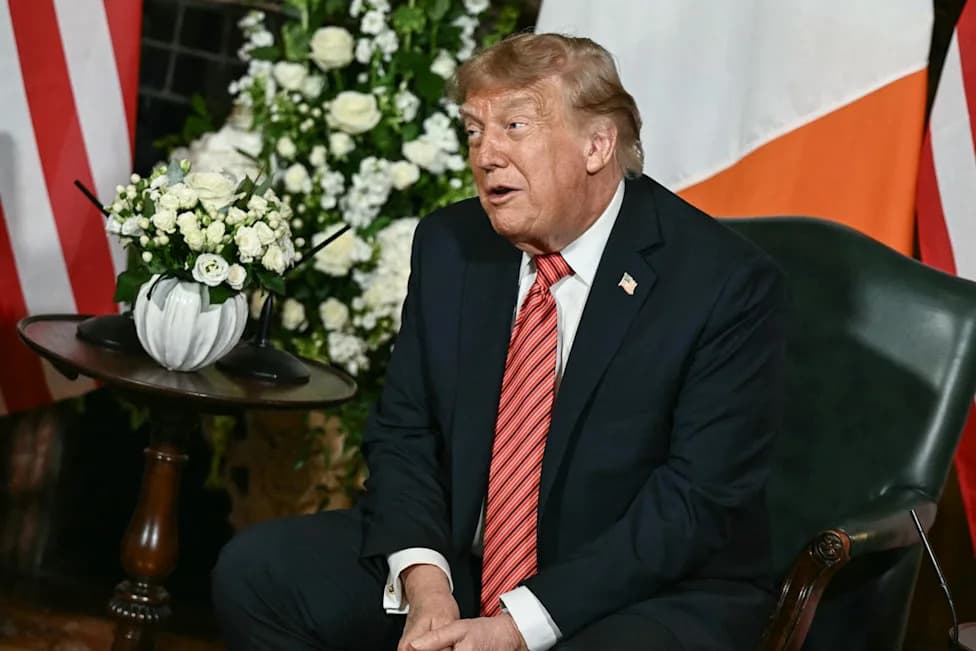
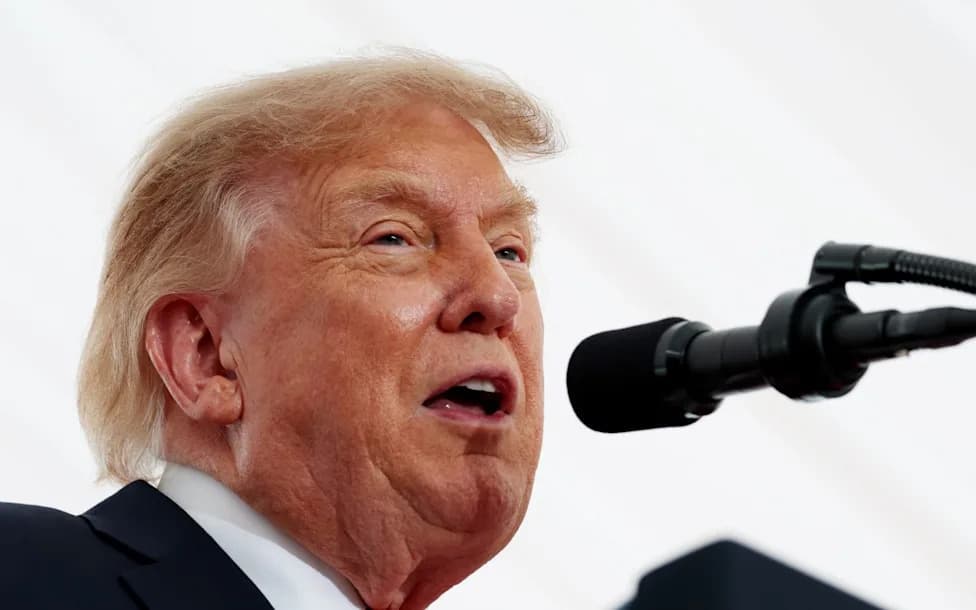
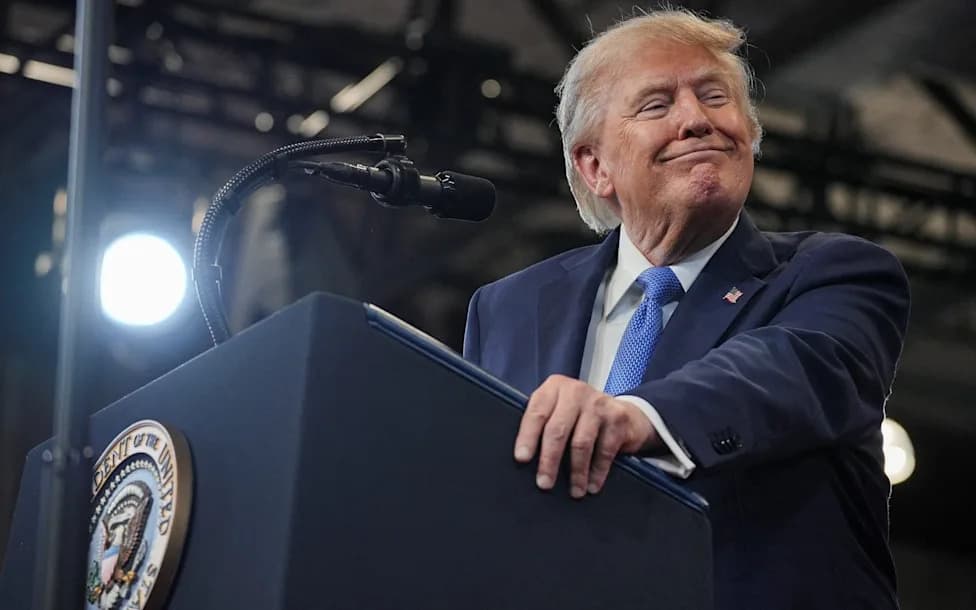
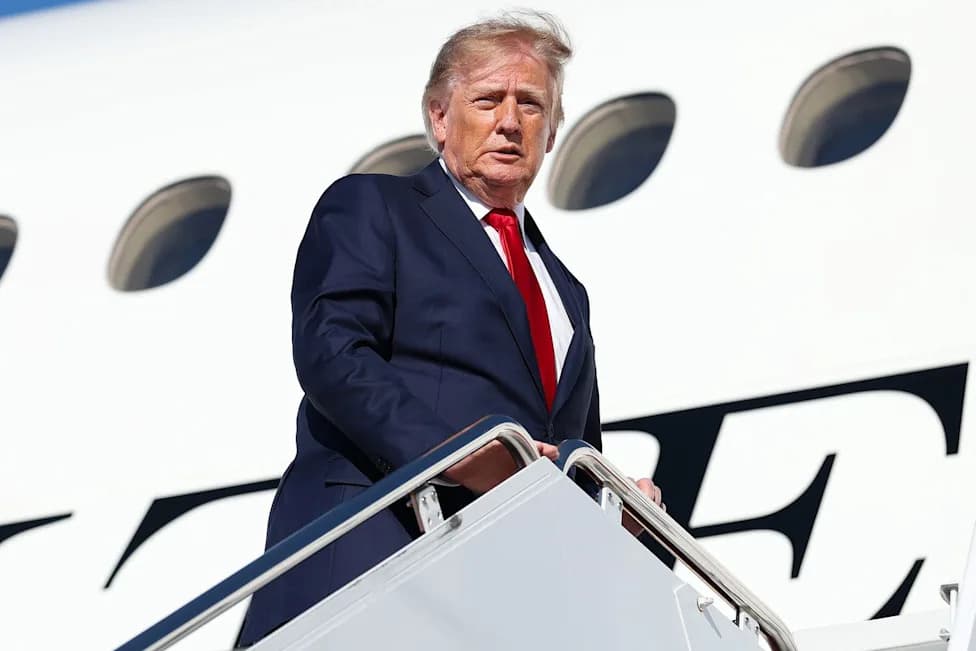
President Donald Trump speaks in the Irish capital of Dublin on Sept. 12, 2026.Brendan Smialowski/AFP via Getty Images
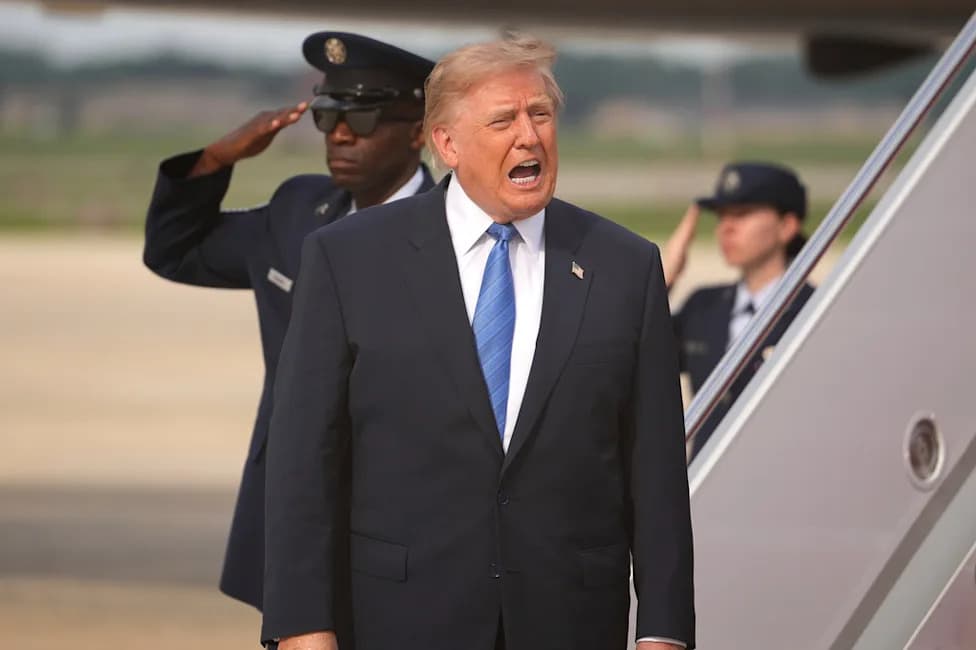
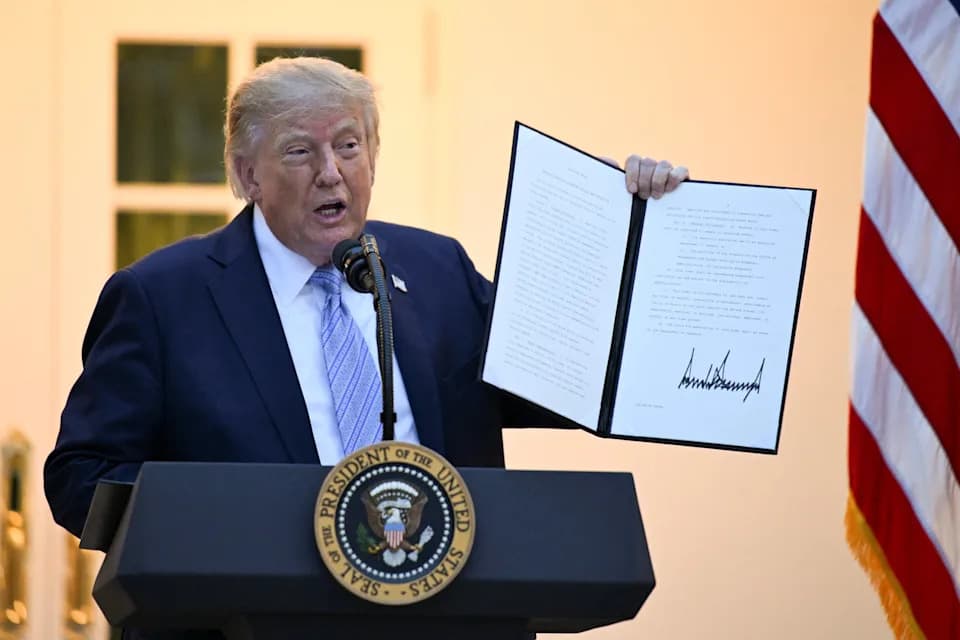
On Sept. 12, 2026, President Donald Trump told Irish taoiseach Micheál Martin that he would "love to see" a united Ireland, adding that reunification is "going to happen eventually" and "may as well happen now." He reiterated the sentiment the next day, calling reunification "a cool thing" while acknowledging the issue's complexities. The remarks prompted swift criticism from the Irish government, Northern Irish unionists, British conservatives and some of Trump's allies.
Immediate Reactions
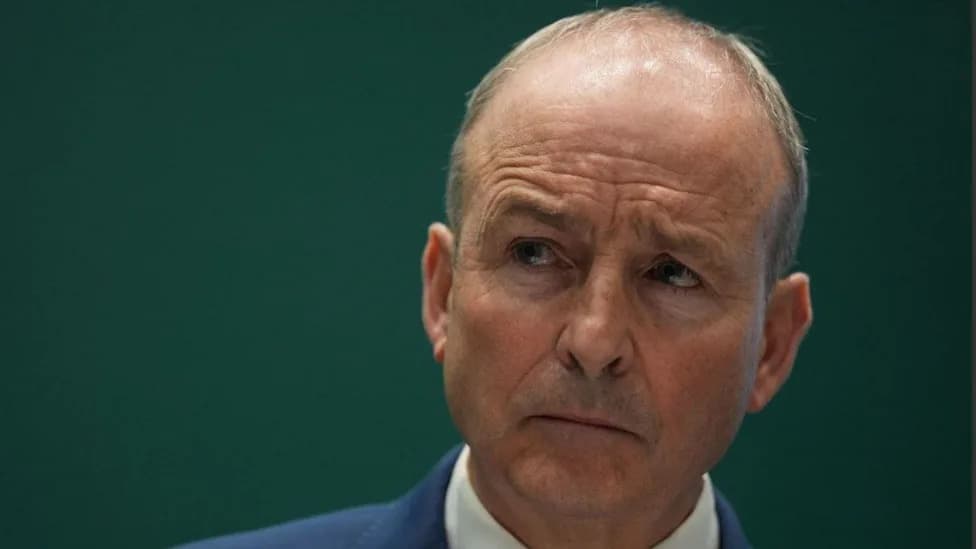
Trump’s comments were welcomed by some Irish nationalists and republicans but broadly condemned across the political spectrum. Ireland’s taoiseach publicly distanced himself from the remarks, and unionist leaders in Northern Ireland — who favour remaining part of the United Kingdom — expressed alarm. The British government and prominent UK conservatives also rejected the idea that Northern Ireland should leave the United Kingdom.
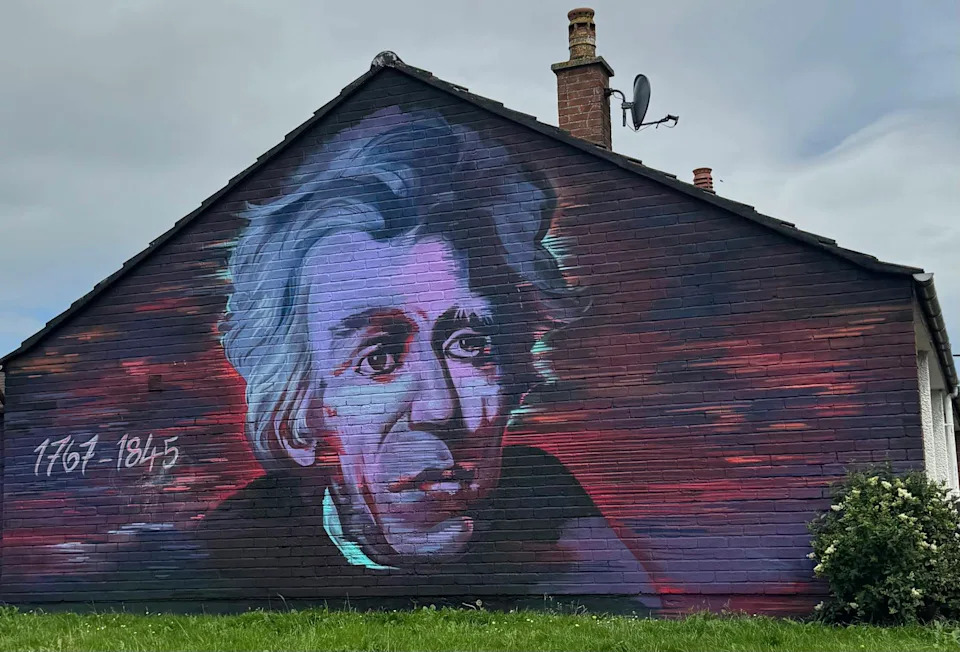
A mural of U.S. President Andrew Jackson in Belfast, Northern Ireland.Virtual Belfast Mural Tour.,CC BY
Why This Breaks With Recent U.S. Practice
Since the 1998 Good Friday Agreement — which helped end decades of sectarian violence known as the Troubles and established cooperative institutions among the Republic of Ireland, Northern Ireland and the U.K. — successive U.S. presidents have generally maintained a stance of neutrality on Irish unification. Trump’s public endorsement represents a clear break from that post‑Agreement practice and evokes an earlier era when some American presidents were more openly opinionated about Irish nationalism.
Historical Context
Ireland has been shaped by centuries of British rule, including penal laws in the 17th and 18th centuries that discriminated against Catholics and, to a lesser extent, Presbyterians. Those policies helped fuel anti‑English sentiment and a long movement for Irish independence that gathered force in the late 18th and 19th centuries. Large waves of Irish immigration to North America — especially during and after the Great Famine — strengthened ties between Irish communities in the United States and political currents back home.
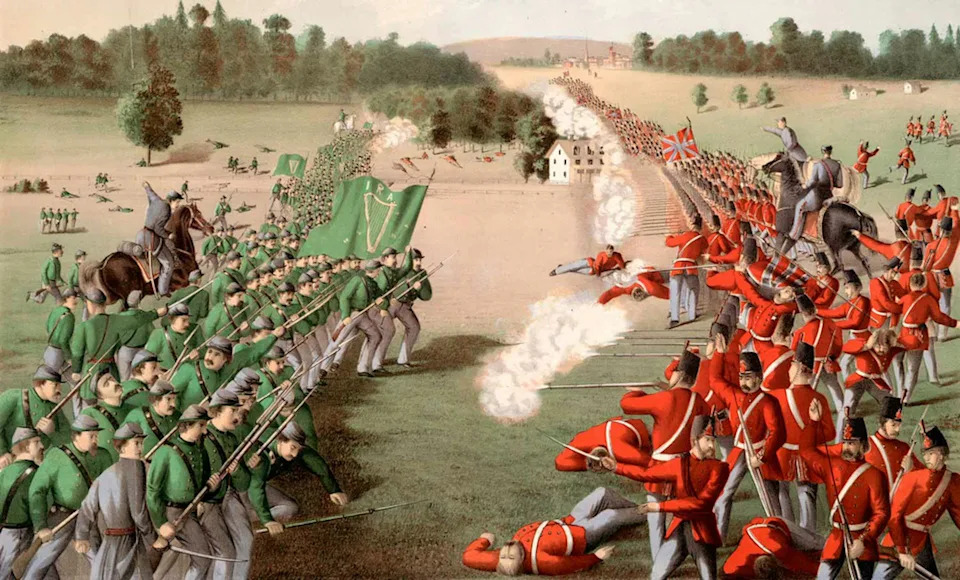
A depiction of Fenians, wearing green uniforms, attacking British troops in Canada at the Battle of Ridgeway, near Niagara, on June 2, 1866.Wikimedia Commons,CC BY
American presidents have responded in different ways. Andrew Jackson — the first president of Irish ancestry — spoke warmly of his roots but did not translate that rhetoric into policy to aid Irish independence. In the mid‑19th century, the Fenian movement in the United States sought American support for militant action against Britain; however, Presidents Andrew Johnson and later Ulysses S. Grant resisted those efforts and enforced U.S. neutrality.
In the 20th century, hopes that Woodrow Wilson’s rhetoric on self‑determination might benefit Irish nationalists were unmet, as U.S. diplomacy sided with Britain during and after World War I. Later presidents, including John F. Kennedy, celebrated Irish heritage without pressing publicly for unification while in office. Bill Clinton played an important diplomatic role in the 1990s peace process — inviting Sinn Féin leader Gerry Adams to the White House in 1995 and supporting a neutral U.S. posture that helped produce the Good Friday Agreement.
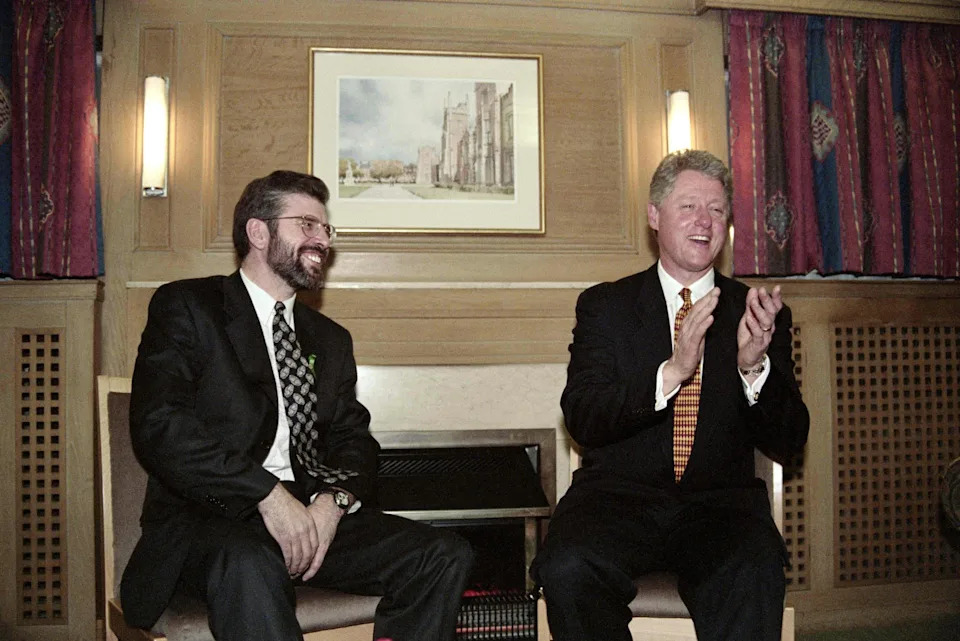
U.S. President Bill Clinton with Sinn Fein leader Gerry Adams on Nov. 30, 1995.Luke Frazza/AFP via Getty Images
Public Opinion and Political Reality
Public sentiment on the island is shifting but remains mixed. A recent European Union poll found 63% of respondents in Northern Ireland would vote for unification and 59% in the Republic of Ireland would support it. However, substantial minorities oppose reunification (29% in Northern Ireland; 22% in the Republic), and the British government remains firmly opposed to any unilateral move toward leaving the U.K. Given the political sensitivities and legal frameworks involved, immediate change is unlikely regardless of a U.S. president's personal views.
Conclusion
Trump’s endorsement of Irish reunification departs from the cautious, neutral approach U.S. presidents have broadly followed since the Good Friday Agreement. Whether his comments will affect political events on the island is doubtful in the short term — but they have reignited a long‑standing transatlantic debate about American engagement with Irish nationalism.
This article is republished from The Conversation. Written by Bryan McGovern, Kennesaw State University. The author reports no conflicts of interest relevant to this article.
Help us improve.