Japan has for the first time recorded more than 100,000 centenarians: 107,677 people aged 100 or older as of September, marking the 56th straight year of increases. Women account for 88% (94,298) of centenarians. Experts credit diet, health care and cultural factors like "ikigai" for longevity, while officials warn that an aging population strains public finances, elder care systems and the workforce amid record-low birth rates.
Japan Tops 100,000 Centenarians for First Time — 107,677 People Aged 100+
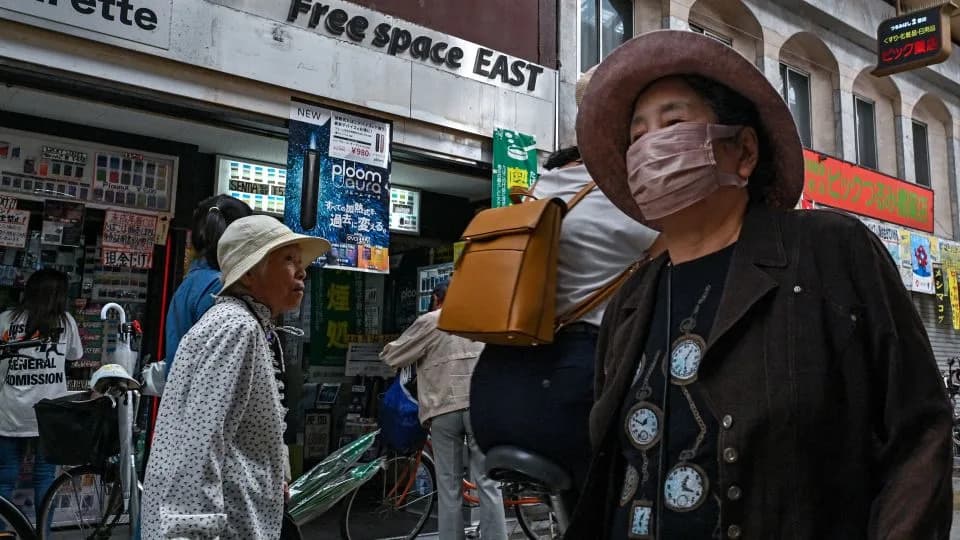
Elderly shoppers walking through the Tsurumibashi "shotengai", an old covered shopping street in the Nishinari ward of Osaka, Japan, on October 1, 2025. - Richard A. Brooks/AFP/Getty Images
For the first time in its history, Japan has more than 100,000 people aged 100 or older. The Ministry of Health, Labour and Welfare reported that the number of centenarians reached 107,677 in September — an increase of almost 8,000 from the previous year and the 56th consecutive annual rise.
The ministry noted that women make up the overwhelming majority of centenarians, accounting for 88% of the total (94,298 people). Health Minister Kenichiro Ueno welcomed the figures, saying:
"I am very pleased that so many people are remaining active and healthy for so long."
Why Are So Many Japanese Living Longer?
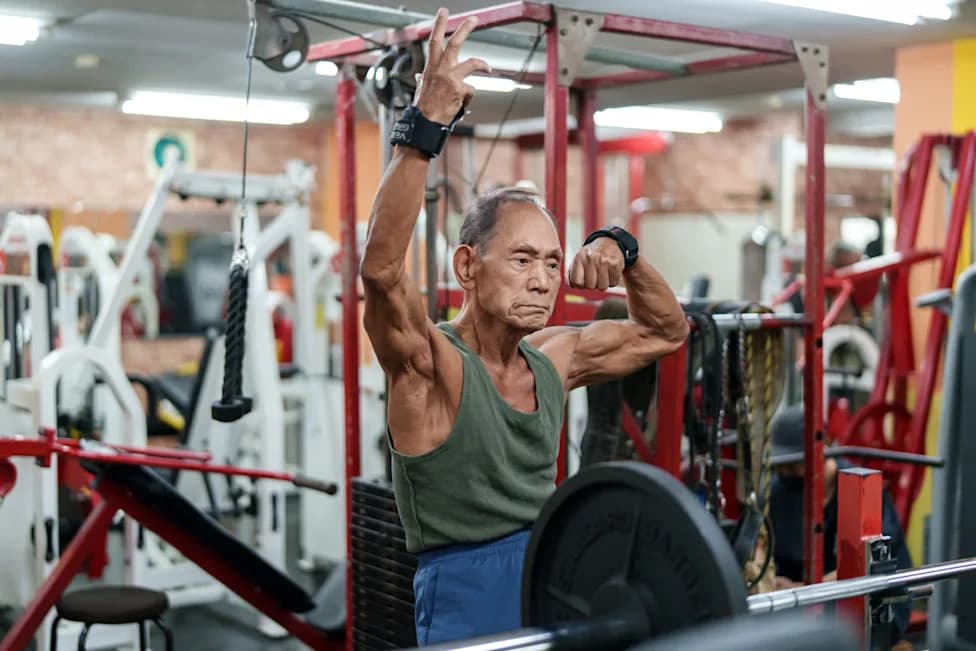
Researchers point to a combination of factors behind Japan's longevity: balanced, nutrient-rich diets, a sophisticated and accessible healthcare system, widespread public health measures, and cultural practices that encourage a sense of purpose and social connection. Many Japanese cite "ikigai" — finding meaning or joy in life — as one contributor to long, active lives.
Japan consistently ranks among the world’s longest-lived nations. According to the World Bank, average life expectancy in Japan was 84 years in 2024, compared with 79 years in the United States.
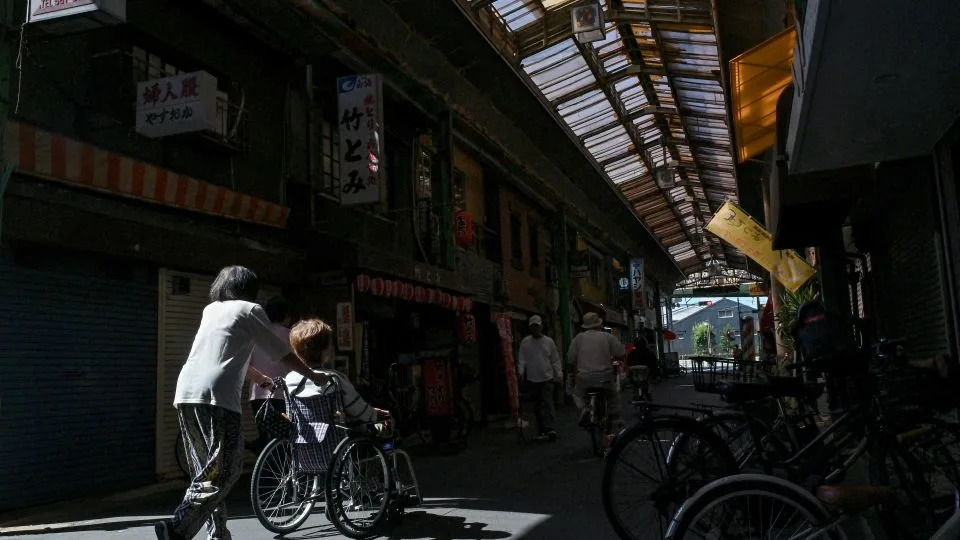
An elderly woman being pushed through the Tsurumibashi "shotengai", an old covered shopping street in the Nishinari ward of Osaka, Japan, on October 1, 2025. - Richard A. Brooks/AFP/Getty Images
Economic and Social Impacts
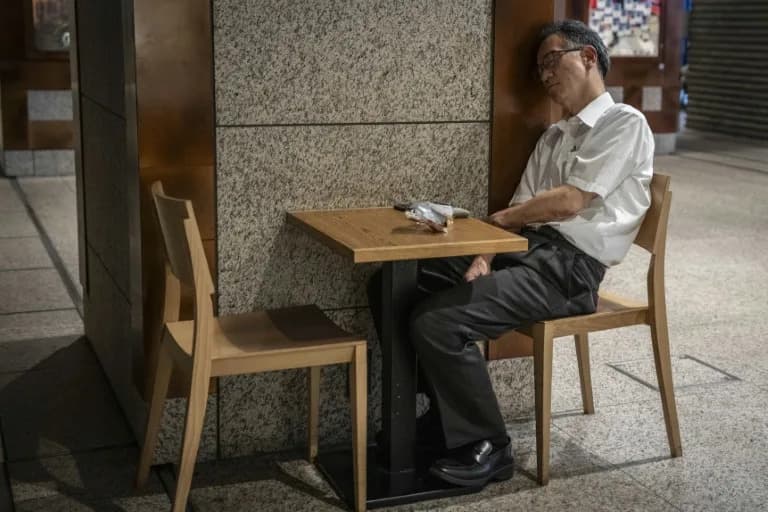
While longer lives are a cause for celebration, the growth in older residents presents significant policy and economic challenges. An aging population increases the costs of elderly care, long-term healthcare, and pension obligations, while also shrinking the working-age population that supports those systems.
Japan’s total population remains around 123 million and continues to decline as birth rates fall to record lows. To address labor shortages, the government has in recent years eased some pathways for skilled and manual workers, but it has also tightened certain visa rules amid rising public concern over immigration.
Notable Records
The ministry highlighted some of Japan’s oldest living people, including Fuyo Kishimoto, a 114-year-old woman in Kyoto, and Hikaru Kato, a 112-year-old man from Kumamoto. These individual stories put a human face on national demographic trends.
What to Watch: Policymakers will need to balance health and social supports that enable long, active lives with economic reforms to sustain public finances and labor markets as the population ages.
Help us improve.