Japan recorded a historic 107,677 centenarians in 2026, up 7,914 from 2025, with women making up nearly 88%. While longer lives reflect diet, activity and universal healthcare, Japan's total fertility rate fell to a record 1.14 in 2025 and births are near 700,000 — driving a rapid population decline that strains public finances, labour markets and social care.
Japan Reaches Record 107,677 Centenarians as Population Ages and Shrinks

Toshisuke Kanazawa, a 90-year-old bodybuilder, trains in his gym in Hiroshima, Japan, on September 11, 2026 [Tomohiro Ohsumi/Getty Images]
Japan now has a record 107,677 people aged 100 or older, underscoring a milestone in longevity even as the country grapples with accelerating demographic challenges.
Longevity Numbers and What They Mean
According to the Ministry of Health, Labour and Welfare, the centenarian count rose by 7,914 from 2025 — the 56th consecutive annual increase. Women account for nearly 88% of centenarians. Health Minister Kenichiro Ueno said he was 'very pleased that many people are living long, healthy and active lives', attributing the trend to medical advances, healthier diets and active lifestyles.
Demographic Imbalance
Behind the milestone lies a widening imbalance: births are at historic lows while the elderly population expands. Nearly three in 10 residents are now aged 65 or older, and that share could approach 40% by 2070. More than 800,000 people were aged 95 or older last year, while only about 700,000 babies were born.
Population Decline and Projections
Japan's population peaked near 128 million in 2008. The National Institute of Population and Social Security Research projects a fall to roughly 87 million by 2070 — a decline of about 30% — and preliminary 2025 census data show population declines in 45 of 47 prefectures (only Tokyo and Okinawa increased).
Factors Behind Long Life Expectancy
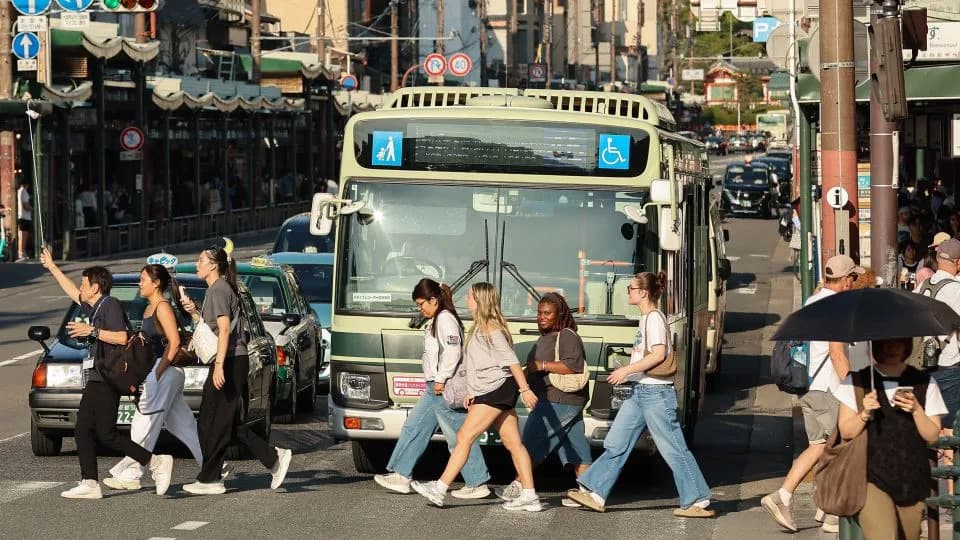
Researchers point to a mix of factors: a traditional diet rich in fish, vegetables and rice and low in saturated fat; low obesity rates; everyday physical activity such as walking, cycling and public-transport use; community exercise programs; and broad access to care through Japan's universal health-insurance system.
Economic and Social Strains
An aging population places growing pressure on public finances and the labour market. With fewer working-age people paying taxes and social-security contributions, spending on pensions, healthcare and elder care rises. Labour shortages are already affecting construction, agriculture, transport, healthcare and social care, and rural areas face acute decline as young people relocate to cities.
Policy Responses and Limits
The government has introduced child allowances, subsidised childcare, expanded parental leave and other incentives to encourage childbearing, but these measures have not reversed long-term trends. Social scientists cite later and fewer marriages, job insecurity, stagnant wages, long working hours and unequal household responsibilities as additional barriers to higher birthrates. Immigration has risen modestly, but foreign residents still account for only about 3% of the population and large-scale migration remains politically sensitive.
Global context: the World Health Organization notes that increased life expectancy is a major achievement; global life expectancy reached 73.3 years in 2024 and the number of people aged 60+ is projected to rise from 1.1 billion in 2023 to 1.4 billion by 2030.
Looking Ahead
Japan's demographic shift is one of the most advanced globally: the UN estimated Japan's median age at 49 in 2023 (higher than Italy, Portugal, Greece and Germany). Policymakers face tough choices on pensions, healthcare, labour policy, automation, rural revitalisation and immigration to adapt to a society that is living longer but having far fewer children.
Help us improve.