Japan reported a record 107,677 centenarians, up 7,914 from last year, with roughly 88% female and the oldest individuals aged 114 and 112. At the same time, the fertility rate fell to a historic low of 1.14 children per woman in 2025, well below the 2.1 threshold for population stability. Surveys show many young adults are reluctant to marry, a trend linked to high child-rearing costs and workplace stress. Policymakers face pressure to make family life more affordable and appealing to reverse demographic decline.
Japan Records 107,677 Centenarians as Birth Rate Falls to Historic Low
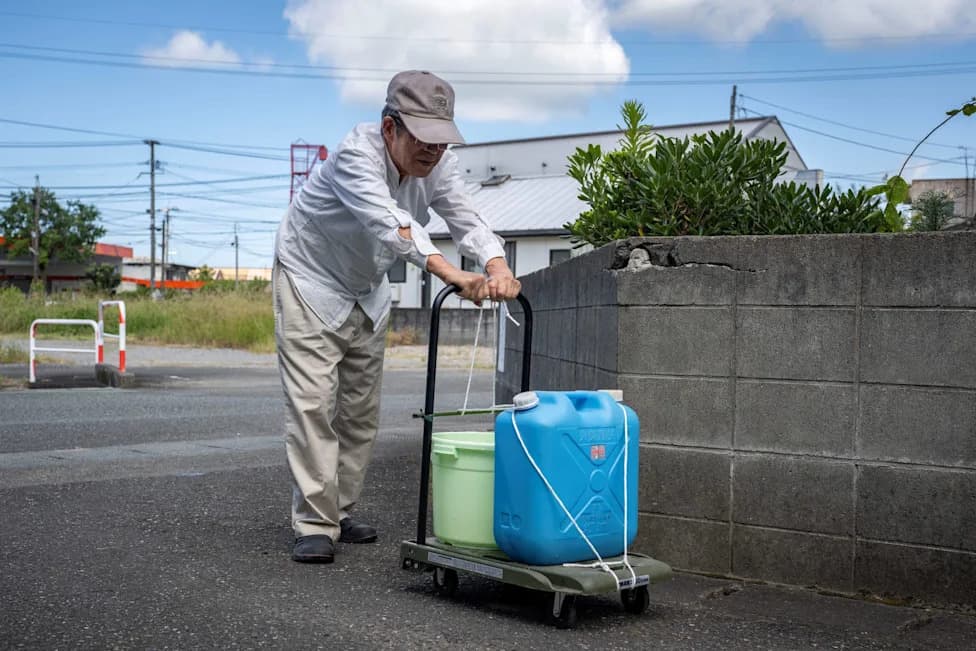
Japan Centenarians Reach Record Numbers, but Births Are Falling.
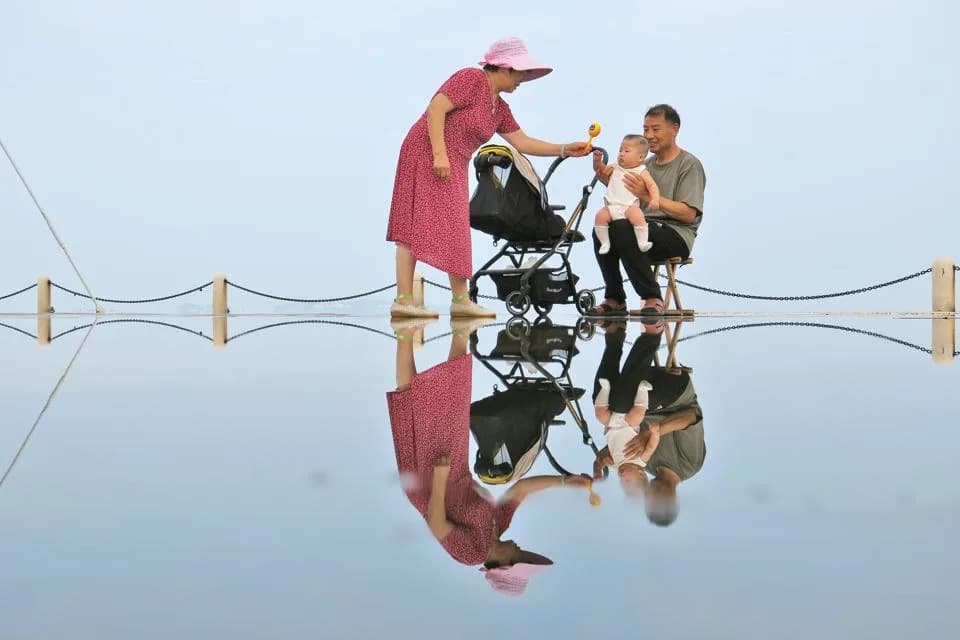
Japan now counts a record 107,677 people aged 100 or older, surpassing 100,000 for the first time, the Health and Welfare Ministry reported. That total is 7,914 higher than a year earlier and marks a dramatic rise since the government began tracking centenarians in 1963, when there were just 153.
Who Are the Centenarians?
Women make up roughly 88% of the centenarian population. The oldest woman listed is Fuyo Kishimoto, 114, and the oldest man is Hikaru Kato, 112. Authorities offered no single proven cause for the increase in longevity; experts point to a combination of healthier lifestyles, nutrition, better medical care and continued physical activity as likely contributors.
Rising Longevity, Falling Births
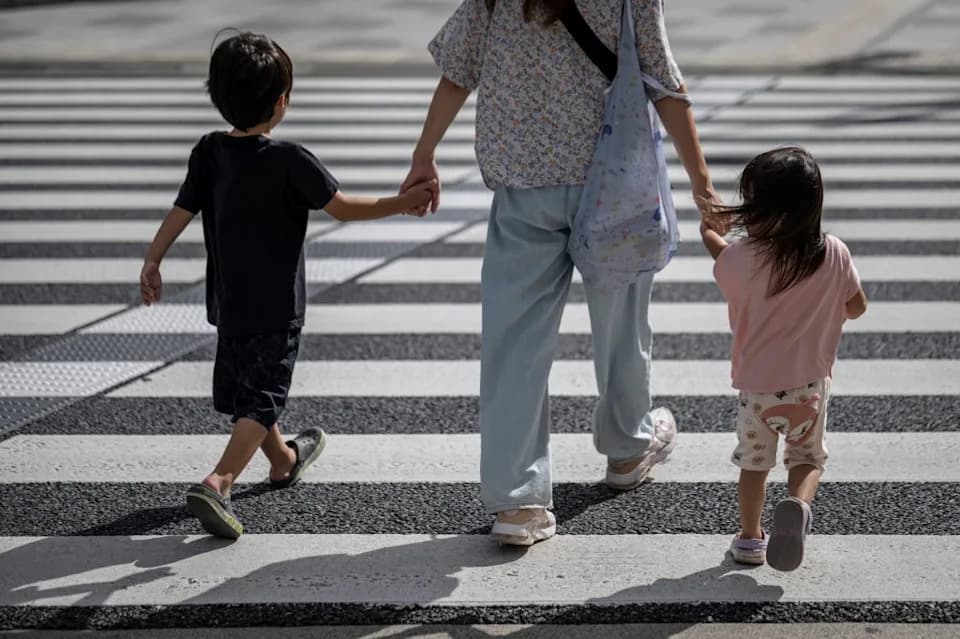
While the growing number of centenarians is a public-health success, the same report highlights a mounting demographic challenge. Japan’s total fertility rate fell to a record low of 1.14 children per woman in 2025 — well below the roughly 2.1 needed for a stable population.
Changing Attitudes Among Young Adults
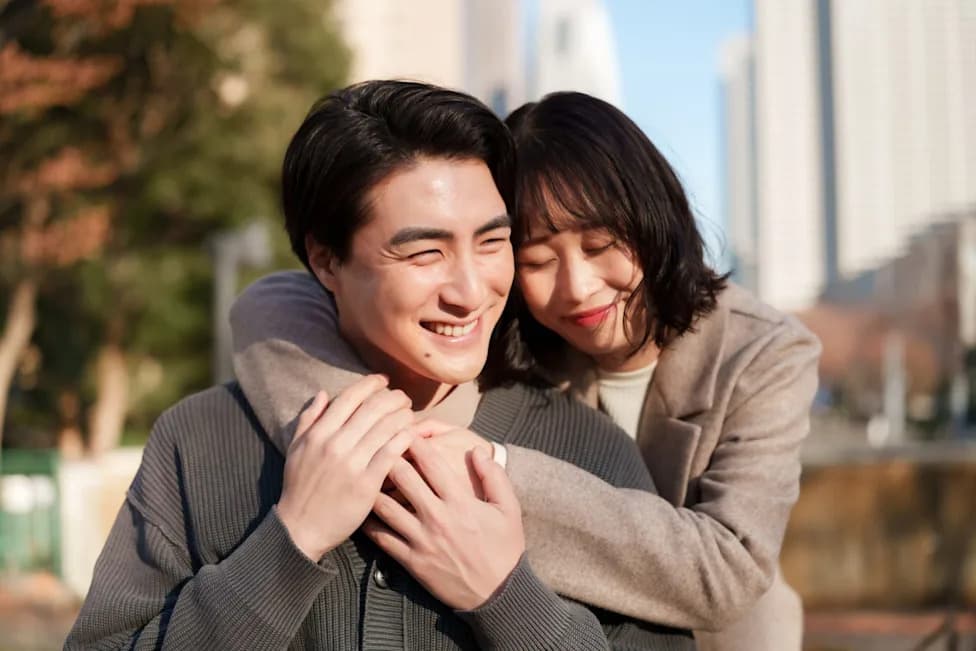
A separate survey conducted by the National Institute of Population and Social Security Research found that more than 20% of single people aged 18–34 say they do not plan to marry, and nearly half see no benefit in marriage. Researchers caution this does not guarantee lifelong singlehood or childlessness, but it may signal a generational shift in family formation.
Health Minister Kenichiro Ueno attributed young people’s hesitation to marry to the high costs of raising and educating children and to the pressures on working parents.
Policy Implications
The combination of longer lifespans and far fewer births means Japan will likely see a shrinking share of working-age people supporting a larger retired population. Policymakers face the challenge of making family life more affordable and attractive so that younger generations are able and willing to form households and raise children. Measures under discussion include childcare expansion, financial incentives for families, workplace reforms to reduce overtime, and policies that support work-life balance for parents.
Source: Statistics released by Japan’s Health and Welfare Ministry; first reported by Men’s Fitness on Sept. 20, 2026.
Help us improve.