The U.S. Navy says dependents and non-essential personnel evacuated from Naval Support Activity Bahrain remain barred from returning because of security concerns, though service members outside the country may designate representatives to retrieve household goods. Roughly 1,300 dependents were moved more than six months ago; many remain separated from vehicles, household goods and pets. Undelivered shipments will be placed in government storage pending an "all clear," and families who cannot return must designate a location by Nov. 30 to secure entitlements.
Navy Families Evacuated From Bahrain Still Unable To Retrieve Belongings Months Later
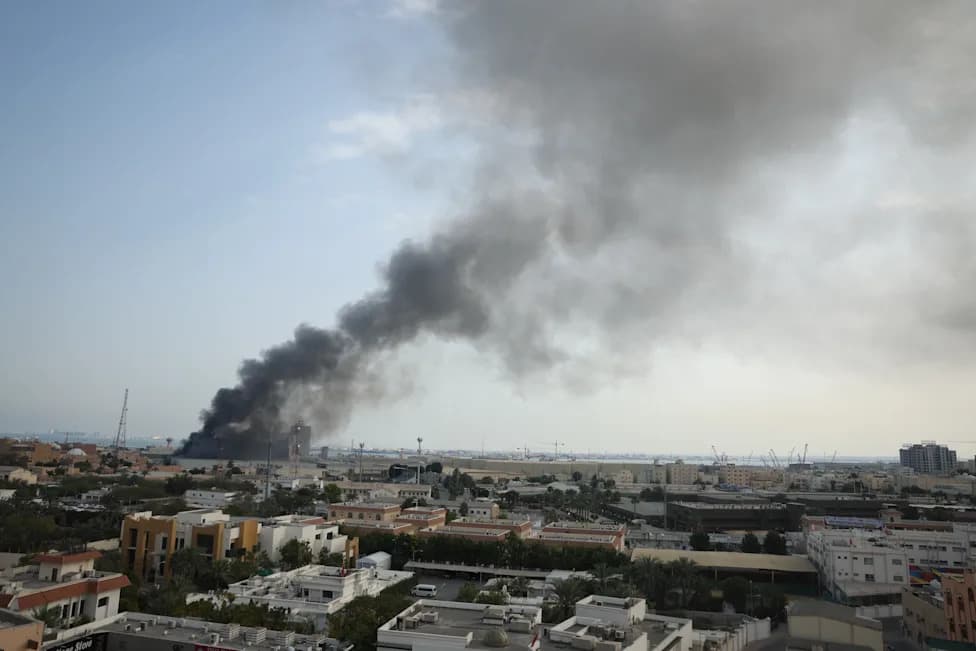
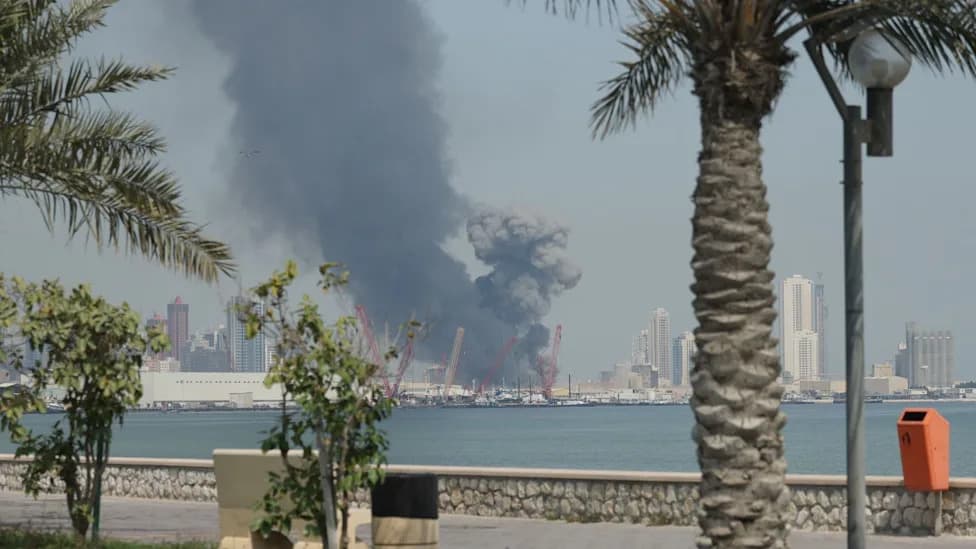
Smoke rises after an Iranian missile attack on Manama, Bahrain, Feb. 28, 2026. (Stringer/Anadolu via Getty Images)
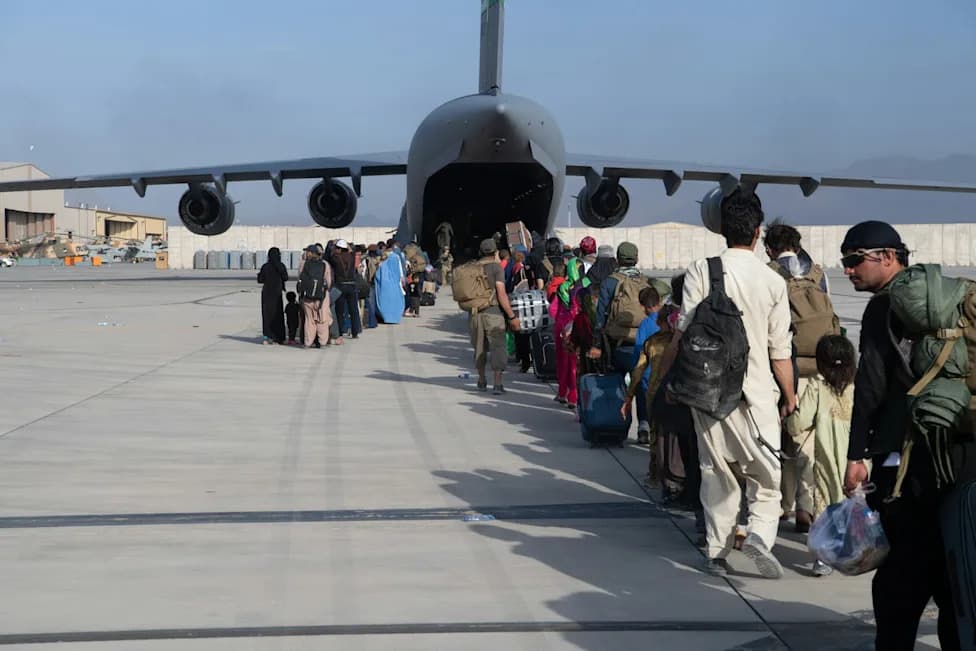
Families evacuated from Naval Support Activity (NSA) Bahrain remain unable to return to the base to recover personal property because of ongoing security concerns, the U.S. Navy says. More than six months after roughly 1,300 dependents were moved out of NSA Bahrain, many households are still separated from household goods, vehicles and pets left behind during the evacuation.
The Navy has told evacuees that family members and non-essential personnel who remain outside Bahrain are not authorized to return until officials lift security restrictions. Service members who remain in Bahrain can ship household goods and vehicles in person; those located outside the country may designate a representative to act on their behalf.
"Service members and affiliated civilians are responsible for initiating the household goods move process from temporary safe havens and from Bahrain with their chain of command," a Navy spokesperson told Military Times. "Service members currently located in Bahrain can ship their household goods and vehicles in person, and those who are located outside Bahrain can designate a representative to act on their behalf."
Some sailors and military families describe the process as confusing and slow. At an Aug. 31 town hall, Chief of Naval Operations Adm. Daryl Caudle said forces would not be returning to Bahrain "anytime soon," a comment that did little to clarify when families might be allowed back to pack out their belongings.
Several evacuees report property loss and replacement delays. One sailor said uniforms and other personal items were destroyed during the events that led to the evacuation. Although a Navy memorandum documents the damage, the sailor said an insurance company has requested additional confirmation from the service member's commanding officer, delaying reimbursement and replacement.
Evacuation also forced some families to leave pets behind. One military spouse said the family had no time to gather everything; their Great Dane could not be taken during the evacuation and was left in the care of local residents. The spouse told Military Times they remain uncertain whether the dog will be reunited with the family.
The Navy says it continues to provide affected service members, families and civilian personnel with timely information, individual case management and relocation support. A Navy FAQ states undelivered household-goods shipments will be placed in government storage pending an "all clear." Prior guidance circulated in a May 13 newsletter said service members would have the opportunity to return to pack out HHG at a minimum, but that expectation is now constrained by security conditions.
Families who cannot return to Bahrain are required to establish and report a designated location by Nov. 30 to secure relocation, housing and separation entitlements, a Navy spokesperson told Military Times. The Navy has also requested data on the number of household-goods moves involving affected families and said it will release those figures when available.
What evacuees want: clearer timelines, faster processing for damaged property and insurance claims, and assurance about the fate of pets and vehicles left behind. The Navy says it is continuing individual case management to address these concerns, but many families say progress has been frustratingly slow.
Help us improve.