The avocado boom transformed Michoacán, lifting many growers from poverty while attracting violent criminal groups that began extorting farmers and seizing land. In 2021 the P'urhépecha town of San Ángel Zurumucapio adopted self-governance and formed armed patrols to protect the community. In December 2024, local grower Pancho vanished from his orchard; his abandoned truck was found and investigations stalled, leaving his family and town haunted by fear. The case highlights the human and environmental costs of a lucrative global market.
Avocado Gold: How an Export Boom Brought Prosperity — and Violence — to a Michoacán Town
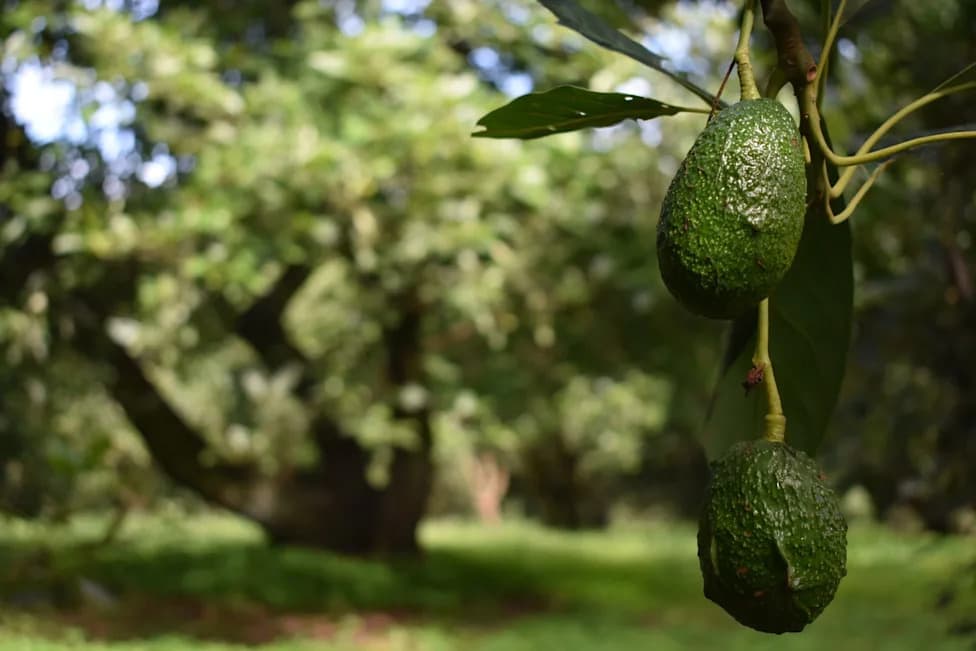
Avocados growing in Michoacán. Avocados brought prosperity and opportunity to the Mexican state of Michoacán - until the arrival of organized crime. A self-defence militia in a small indigenous hamlet aims to protect farmers and their families, but the problems didn't end there. Dalia Villegas Moreno/dpa
Óscar García eased his pickup through a makeshift checkpoint of masked paramilitaries who now control access to his community, calling out the nicknames of several men carrying semi-automatic rifles. They signalled for him to pass.
Riding beside him in a straw cowboy hat, his grandfather Francisco, 74, shook his head. This part of western Mexico had once been poor but comparatively peaceful. “The avocados changed everything,” he said.
The rapid rise of the avocado industry poured new money into the mountains of Michoacán — and, locals say, ushered in a wave of violence. Dense groves of avocado trees blanket the slopes for miles, and danger has crept into fields and homes alike.
At 18, Óscar is already responsible for tending the family farm. He pointed to a rutted dirt track off the main highway and quietly said, “This is where they found my father’s truck.”
From Forests to Orchards
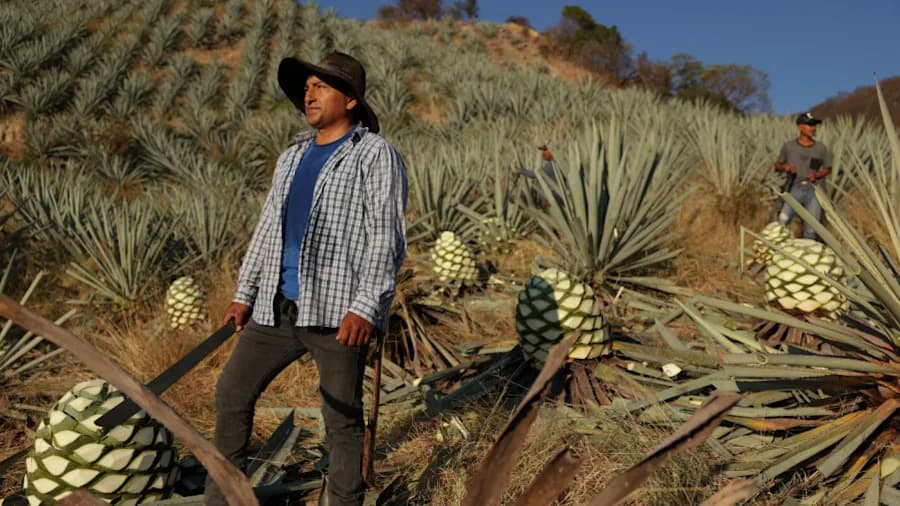
Not long ago this landscape was virgin forest. Francisco remembers riding on horseback through pine woods, scraping a living from resin. The turning point arrived after the 1997 end of the U.S. ban on Mexican avocado imports, a change accelerated by NAFTA-era trade shifts. Over the next three decades, soaring global demand transformed Michoacán into a world centre of avocado production and lifted many growers into the middle class.
Francisco’s eldest son, known as Pancho, cleared a patch of forest, planted an orchard and built a comfortable life for his wife, Terésa Pérez, and their three children: Ana, Óscar and José. They bought a home, new vehicles and took vacations — benefits that echoed across the region as more people planted avocados.
Prosperity and Peril
But the boom brought costs. Large-scale clearing changed the local climate: deforestation contributed to higher temperatures and reduced rainfall. The lucrative crop also drew criminal groups seeking new revenue streams. By the mid-2000s, armed gangs in Michoacán began to expand from drug trafficking into the avocado trade — seizing farms, clearing land for orchards and extorting growers with steep “protection” fees.
In San Ángel Zurumucapio — a P'urhépecha hamlet of about 6,000 where many residents are distant kin and the social life orbits periodic rodeos — those armed men drove flashy trucks, smoked marijuana and blasted banda music. Shootouts and disappearances became part of daily life. Óscar remembers taking cover during a gun battle near his school and seeing fathers of classmates held for ransom.
Community Response
Frustrated by what they saw as official inaction — and, in some cases, suspected collusion between authorities and criminals — residents voted in 2021 to adopt an Indigenous model of self-governance. They banned political parties locally, formed a council to manage funds, and, after foiling an attempted kidnapping of a grower, declared: "We are taking up arms due to the insecurity we face day to day: the extortion, threats, assassinations and kidnappings," adding the P'urhépecha slogan Juchari uinapekua — "strength in unity."
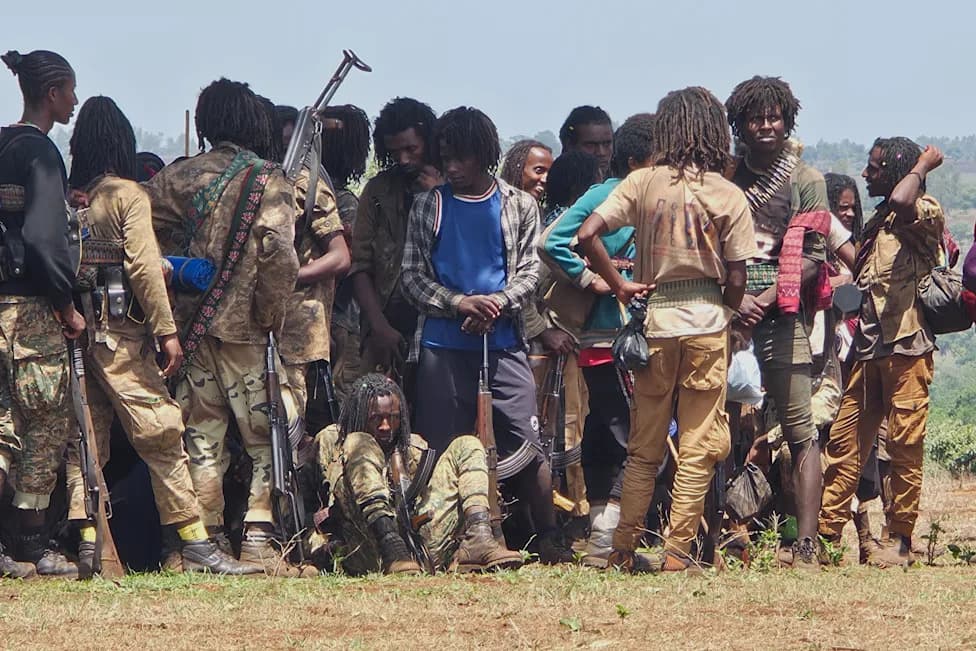
Locals organized rotating patrols at the town’s two entrances, stopping trucks laden with avocados and vehicles carrying farmworkers to check IDs. They built barricades of concrete blocks, sandbags and razor wire. Some households welcomed the sense of protection; others, including Pancho and his father Francisco, feared that arming civilians would provoke more violence and warned about the dangers of high-caliber weapons handled by the inexperienced.
Disappearance and Aftermath
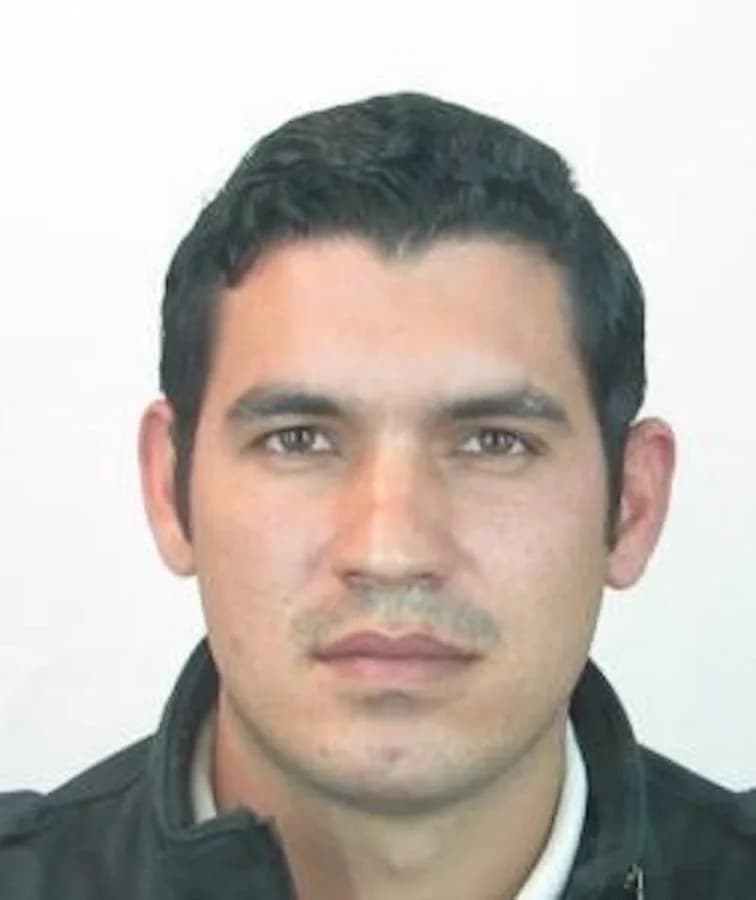
On December 10, 2024, Pancho drove his white GMC to his orchard with an assistant. When he failed to return, family members found his truck abandoned in the groves; he and his assistant were gone. A National Guard search turned up few clues. A neighbouring rancher reported seeing two young men with long guns in the orchards the same day, but the state investigation later stalled.
The family suspects a kidnapping gone wrong and worries that the publicity from mobilizing militias and blocking highways may have scared off ransomers. After repeated, fruitless searches and fearing further losses, Francisco ordered his family to stop actively searching. He now keeps a candle burning in front of Pancho’s photo, refusing to accept that his son is likely dead.
Óscar, who resembles his father, dropped out of high school to work the farm full time and appears most at ease during his twice-monthly militia shifts, carrying a weapon. "He's not the same," Francisco said of his grandson. "I'm not the same."
Legacy
For Francisco, avocados brought opportunity — a comfortable compound, new trucks and even a prize-winning rodeo bull — but they also brought violence that has reshaped everyday life. The story of San Ángel Zurumucapio illustrates how a global commodity boom can lift families economically while exposing them to new environmental pressures and violent criminal economies.
Help us improve.