Nigeria's parliament has suspended official visits to South Africa and ordered lawmakers to boycott South African-hosted legislative events over reports of attacks on migrants. Officials say 98 Nigerians have been killed in mob- and hate-related incidents since 2022, and 1,695 were voluntarily evacuated this year amid xenophobia-related tensions. The parliamentary ban excludes governmental and ministerial visits. South African Foreign Minister Ronald Lamola visited Abuja in July and condemned xenophobia while engaging in talks to ease tensions.
Nigeria Suspends Official Visits to South Africa, Orders Lawmakers' Boycott After Xenophobic Attacks
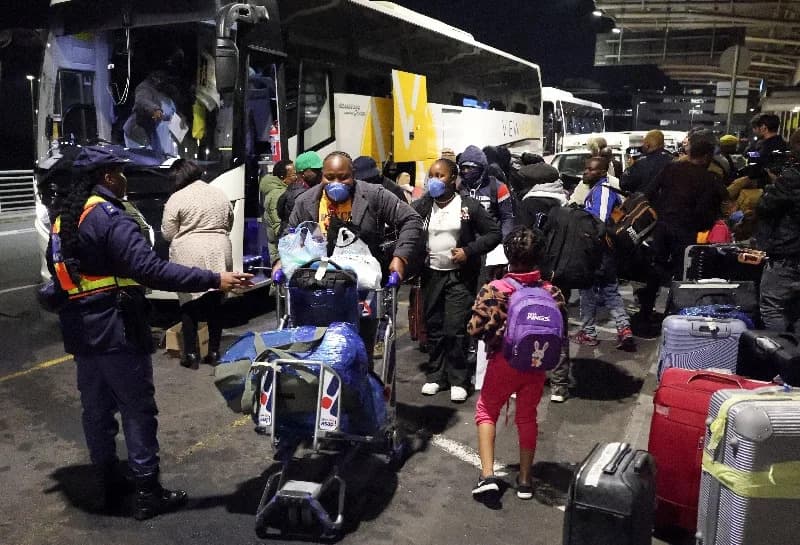
A person pushes a trolley loaded with luggage at O.R. Tambo International Airport as Nigeria repatriates some of its citizens from South Africa following alleged attacks targeting undocumented migrants from other sub‑Saharan African countries, in Kempton Park, South Africa, June 10, 2026. REUTERS/Siphiwe Sibeko
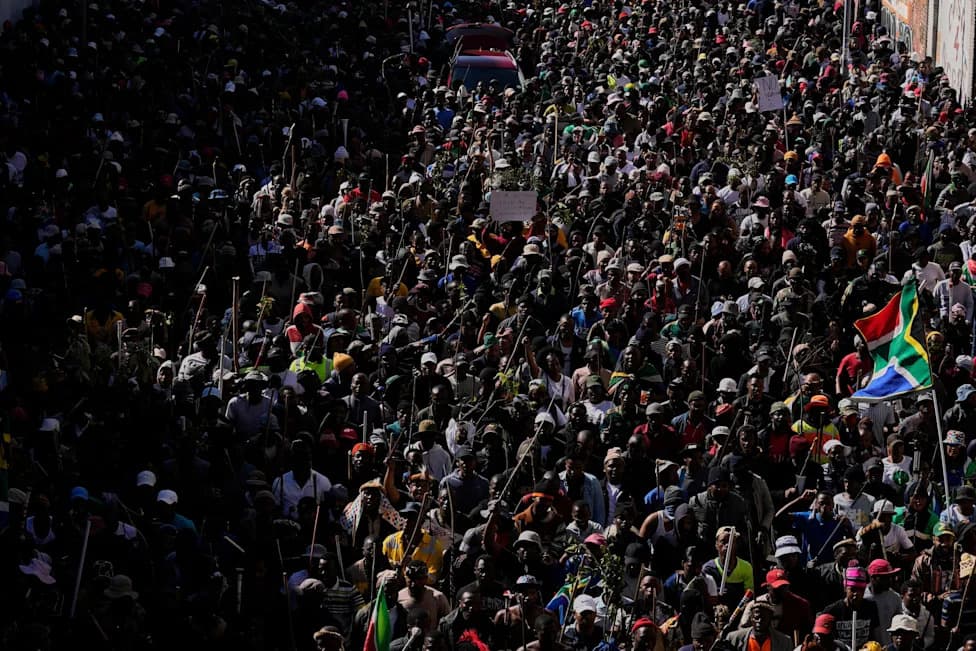
ABUJA, Sept. 11 — Nigeria's parliament announced it would suspend official travel to South Africa and ordered lawmakers to boycott legislative events hosted or organised by South African institutions, citing repeated reports of attacks on Nigerians and other African migrants.
The move signals growing alarm in Nigeria over the safety of its citizens in South Africa and rising frustration with recurring incidents that have periodically strained relations between Africa's two largest economies.
Nigerian officials say anti-immigrant violence in South Africa has had deadly consequences. Nigeria's Minister of State for Foreign Affairs has reported that 98 Nigerians were killed in mob- and hate-related incidents in South Africa since 2022. Separately, Nigeria's acting high commissioner in Pretoria said 1,695 Nigerians were voluntarily evacuated this year amid xenophobia-related tensions.
The parliamentary directive, announced by a House spokesperson, bars legislators from official travel to South Africa and from participating in meetings hosted or organised by South African bodies until further notice. The ban explicitly does not apply to governmental visits or ministerial meetings, which remain exempt.
"This decision is a strong expression of concern over the safety, dignity and welfare of Nigerians living and conducting legitimate businesses in South Africa," House spokesperson Akin Rotimi said in a statement on Friday.
Nigeria's foreign ministry did not immediately respond to requests for comment, and a South African government spokesperson also did not immediately reply.
In July, South African Foreign Minister Ronald Lamola led a delegation to Abuja to meet Nigerian officials and seek ways to ease tensions after attacks on Nigerians and other African nationals. Lamola said at the time that the South African government condemned "all forms of xenophobia." Diplomatic engagement between the two countries is expected to continue as both sides seek to address security and migration concerns.
Context: The boycott is a political and diplomatic measure intended to press for concrete action to protect migrants and to underscore the seriousness with which Nigeria views recurrent anti-immigrant violence in South Africa.
Help us improve.