The Trump administration announced targeted U.S. visa restrictions on certain foreign nationals linked to South Africa, citing alleged uncompensated land seizures, race-based discrimination, and incitement of violence. Secretary of State Marco Rubio said the measures are aimed at specific individuals deemed responsible or complicit and are not a blanket ban on South African citizens. The move follows earlier U.S. actions, including aid cuts, ambassador expulsion, and a refugee resettlement program that admitted more than 7,700 Afrikaners by late June 2026. South African President Cyril Ramaphosa has rejected claims of state-sponsored persecution.
U.S. Announces Targeted Visa Restrictions Over South Africa Amid Land, Race Concerns
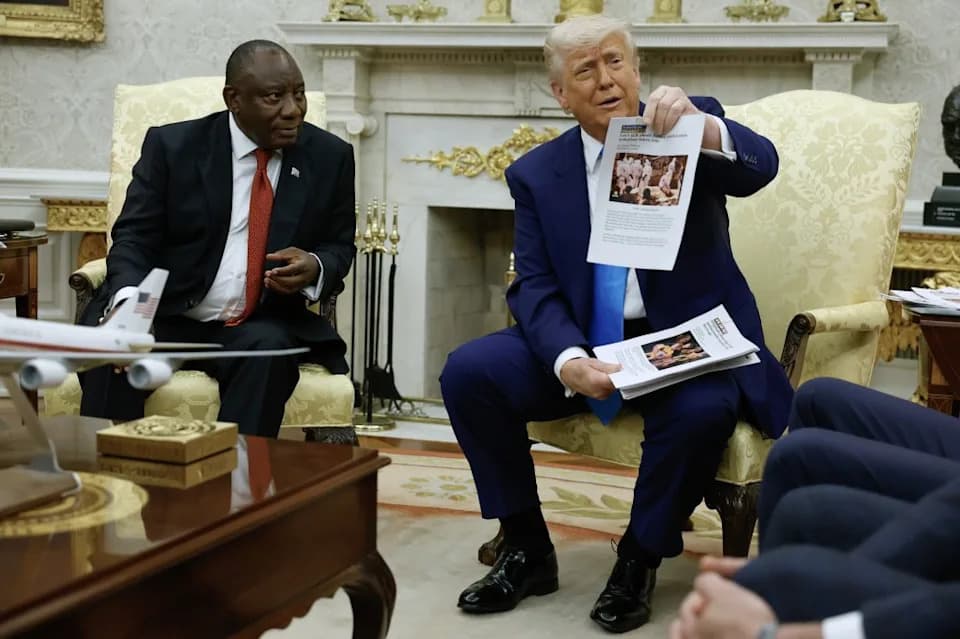
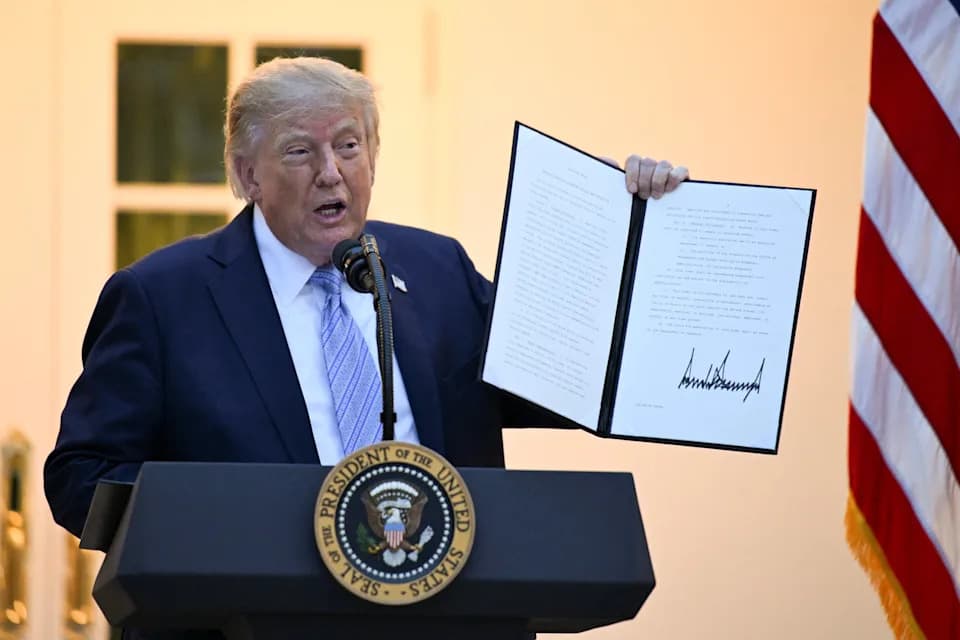
U.S. President Donald Trump holds up an article from "American Thinker" while accusing South African President Cyril Ramaphosa of state-sanctioned violence against white farmers at the White House on May 21, 2025.
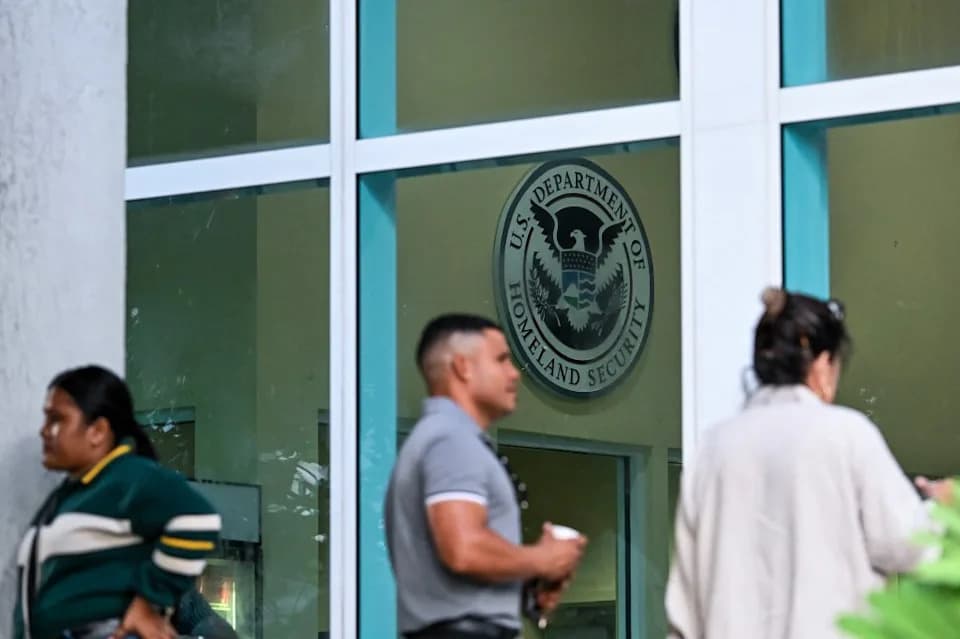
The Trump administration announced targeted visa restrictions on certain foreign nationals connected to South Africa, Secretary of State Marco Rubio said Tuesday. The move escalates tensions with Pretoria over proposed land reforms and allegations of race-based discrimination.
According to the State Department, the measures are aimed at foreign individuals whom U.S. officials allege are responsible for, complicit in, or otherwise connected to policies or actions involving uncompensated land seizures, race-based discrimination, or the incitement of violence against ethnic or racial minorities in South Africa. Officials emphasized the restrictions are specific and case-by-case, not a blanket ban on South African citizens.
Administration Rationale and Diplomatic Context
Rubio said Washington had previously raised concerns with the South African government and concluded that Pretoria had not taken adequate steps to resolve them. "The United States will not allow such behavior to go unchecked," he said, adding that the actions under scrutiny "undermine peace, economic stability, and the rule of law, and are incompatible with the pillars of America's foreign policy."
U.S. officials framed the visa restrictions as a targeted diplomatic tool intended to pressure individuals alleged to be responsible for discriminatory or destabilizing policies, while preserving routine diplomatic channels with South Africa. Rubio urged Pretoria to address what he called "egregious actions" and warned that further steps could follow if concerns remain.
Related U.S. Measures
The policy builds on earlier actions by the Trump administration, which has cut certain U.S. aid to South Africa, expelled the South African ambassador, and prioritized refugee resettlement for Afrikaners who allege government-sponsored discrimination. By late June 2026, State Department data shows the U.S. had admitted more than 7,700 Afrikaners from South Africa under that resettlement initiative.
Contested Claims and Reactions
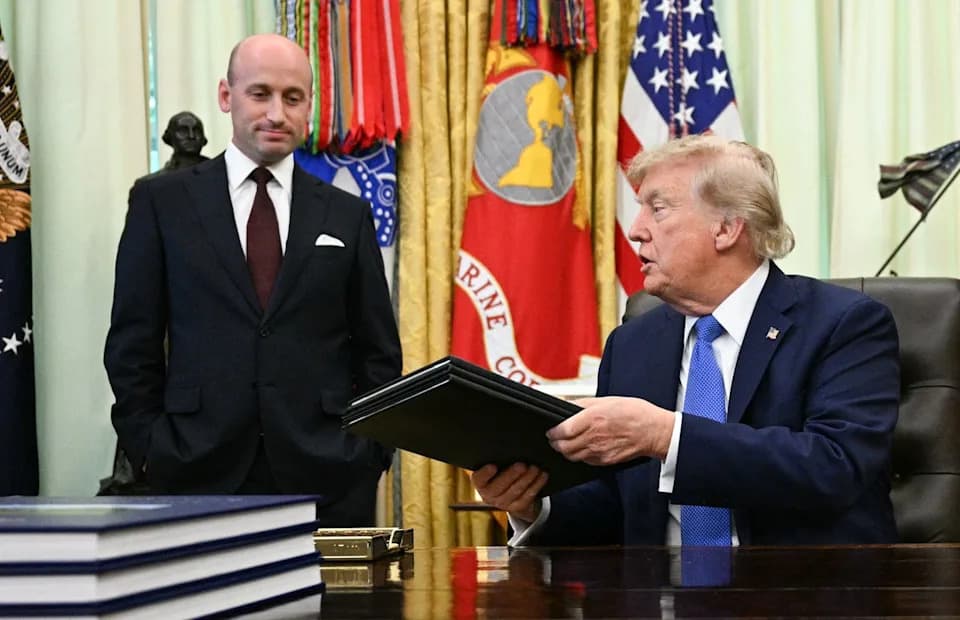
The announcement follows a contentious Oval Office meeting in May 2025 between President Donald Trump and South African President Cyril Ramaphosa. During that meeting, President Trump presented videos and photographs he said showed violence against white farmers and other white South Africans. Ramaphosa disputed that portrayal, saying his government does not pursue a policy of persecuting white citizens and noting that violent crime affects people of all races.
President Cyril Ramaphosa: 'There is criminality in our country. People who do get killed, unfortunately through criminal activity, are not only white people. The majority of them are black people.'
South African officials have rejected allegations of state-sanctioned "white genocide," and news outlets have sought comment from the South African Presidency. The State Department described the refugee initiative and the visa restrictions as part of a broader U.S. response to allegations of race-based discrimination in South Africa.
Observers say the new visa measures are likely to deepen diplomatic friction between Washington and Pretoria and could prompt additional bilateral responses depending on how both governments engage on the underlying land-reform and human-rights concerns.
Help us improve.