The bones from Ferriter's Cove long dubbed the "Kerry cow" have been reclassified as wild boar and bear after mass spectrometry protein testing at CNRS Lille. Radiocarbon dates placing some remains at 4450–4270 B.C.E. had been used to argue for farming contact before 4000 B.C.E.; the new identifications remove that line of evidence. Researchers continue to study the bear specimen to determine its species and implications for extinction and hybridization in Ireland.
6,500-Year-Old 'Kerry Cow' Bones Reclassified As Bear And Wild Boar, Upending Ireland's Farming Timeline
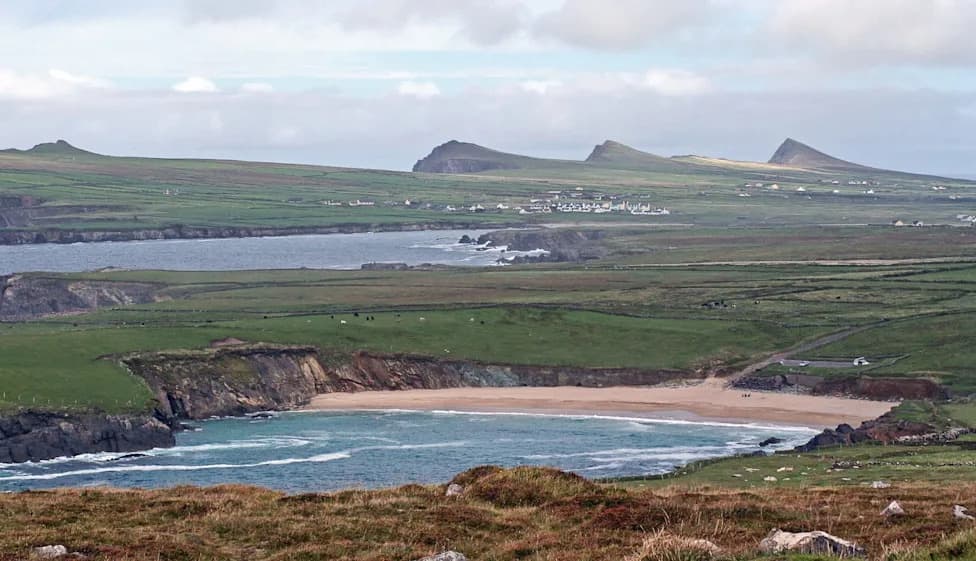
Photo Credit: iStock
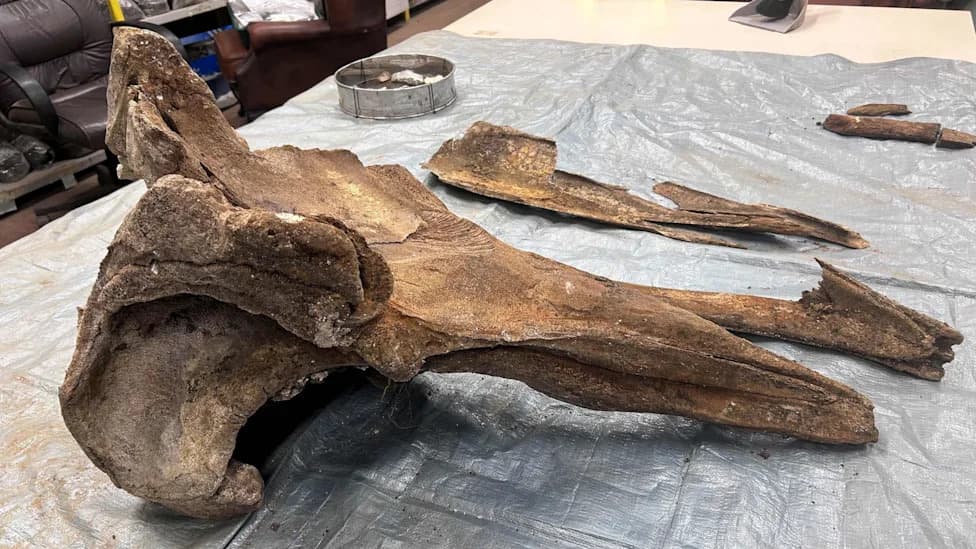
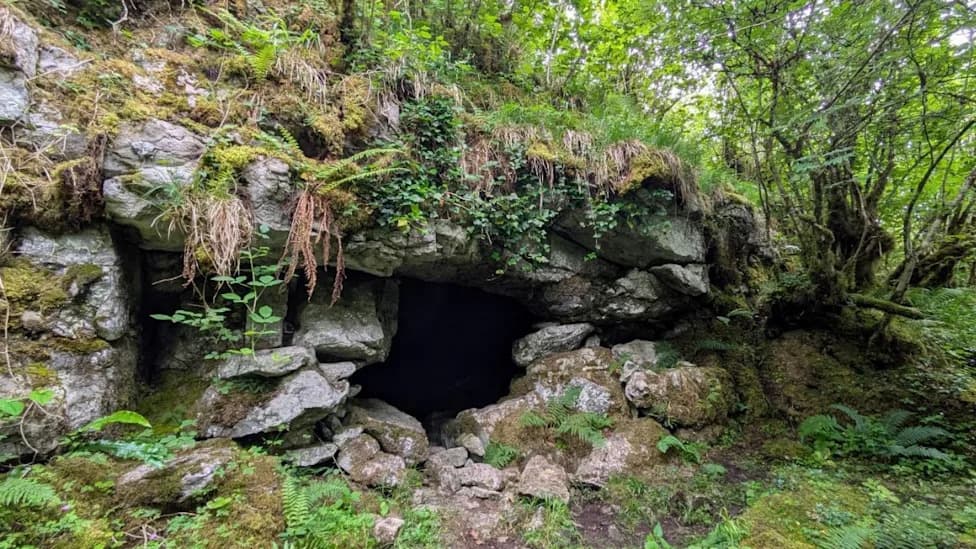
A collection of animal bones long known in the literature as the "Kerry cow" — excavated at Ferriter's Cove in County Kerry between 1983 and 1995 — has been reclassified after new laboratory analysis. What was once cited as evidence of early domestic cattle in Ireland is now identified as remains of wild boar and a bear, overturning a key line of evidence for farming on the island before 4000 B.C.E.
What Researchers Did
Teams from University College Dublin and University College Cork revisited material already held in museum collections rather than returning to the field. At a CNRS laboratory in Lille, scientists applied advanced mass spectrometry protein testing — a protein-based zooarchaeological analysis — to the Ferriter's Cove bones. The protein signatures matched wild boar and bear, not domesticated cattle.
Dating and Significance
Some of the bones had previously been radiocarbon dated to about 4450–4270 B.C.E. (Late Mesolithic). Those dates were used to argue that Ireland's Mesolithic hunter-gatherers had contact with early Neolithic farmers — and their animals — before about 4000 B.C.E. With the bones now identified as wild species, that piece of evidence for an earlier arrival of farming in Ireland is removed, requiring a reassessment of the timing and nature of agricultural contact on the island.
Bear Identification and Broader Questions
The bear specimen remains under active study. Researchers have not yet reached a definitive species identification; early possibilities discussed include brown bear and, more surprisingly, polar bear. Confirming the species could illuminate when bears disappeared from Ireland and whether different bear populations interbred prior to local extinction.
Why This Matters Beyond One Site
Correcting the species identification at Ferriter's Cove reshapes interpretations of Ireland's transition to farming, but it also matters for current conservation and land-management conversations. Large grazing animals have long influenced ecosystems and human land use, and modern initiatives draw on that deep history:
- In Europe, conservationists are reintroducing cattle bred to resemble aurochs to restore historic grazing patterns.
- In Illinois, ecologists have reintroduced bison to Kane County after roughly two centuries away.
- Across the U.S., farmers are pairing solar installations with sheep grazing to combine energy production with land stewardship.
Seen together, these examples show how animal histories continue to shape conservation, agriculture, and landscape management — and why accurate identification of ancient faunal remains is more than an academic detail. The research team continues to analyze the bear material and related finds to refine the story of Ireland's prehistoric fauna and the island's path to farming.
Context: The reassessment demonstrates the value of reexamining legacy collections with modern laboratory methods; museum-held bones can yield new, sometimes surprising, insights decades after excavation.
Help us improve.