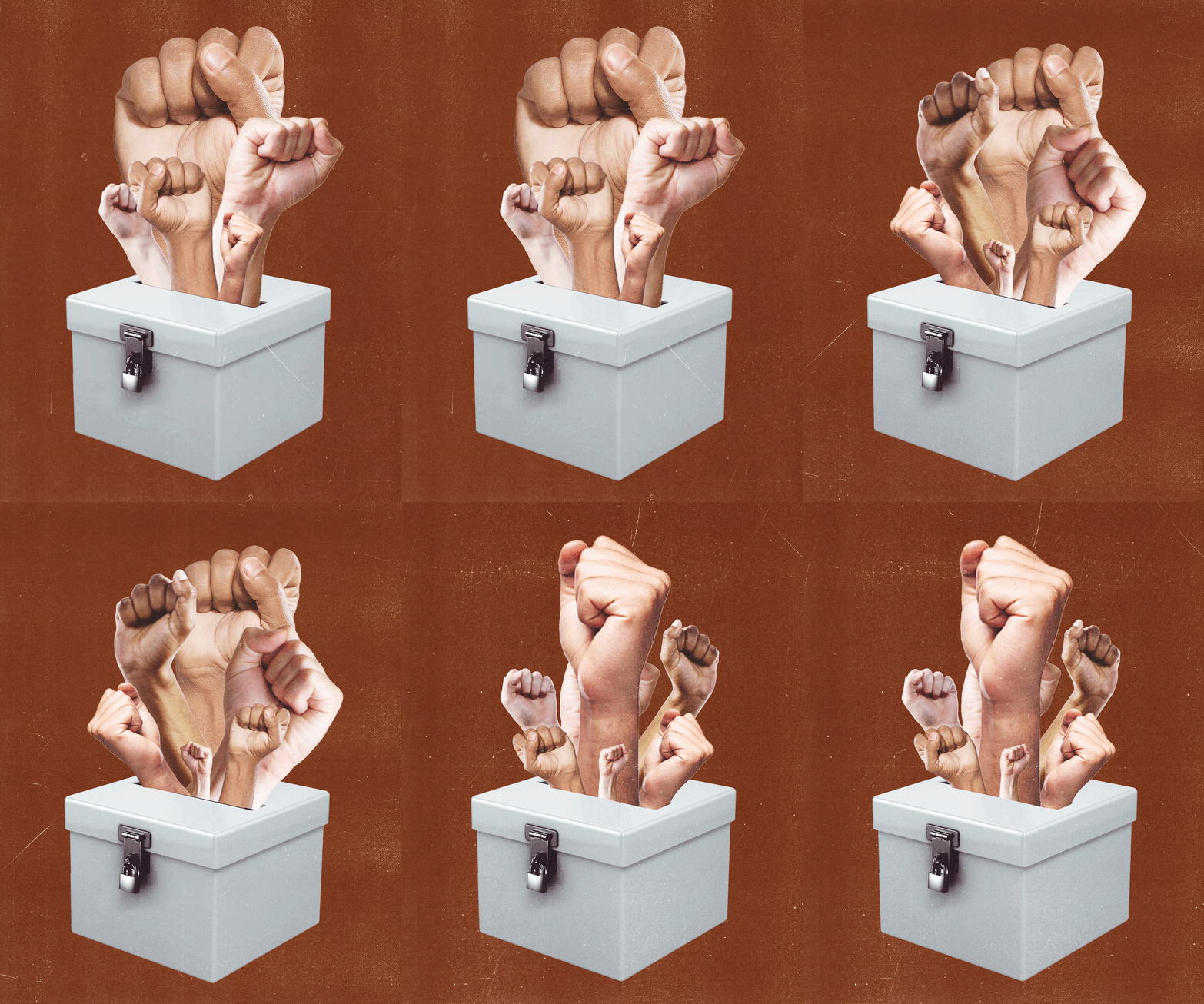
Populism frames politics as a moral conflict between a virtuous 'people' and a corrupt elite. Although who counts as 'the people' varies — cultural or national identity on the right, class-based claims on the left — supporters consistently define membership by imagination, emotion and lived experience. A study of 6,000 online interactions and 33 interviews finds that belonging is reinforced through social ties and political participation, making populist appeals both flexible and deeply resonant.
Who Are 'The People'? How Populists Define, Mobilise and Bind Their Supporters
CC7/Shutterstock
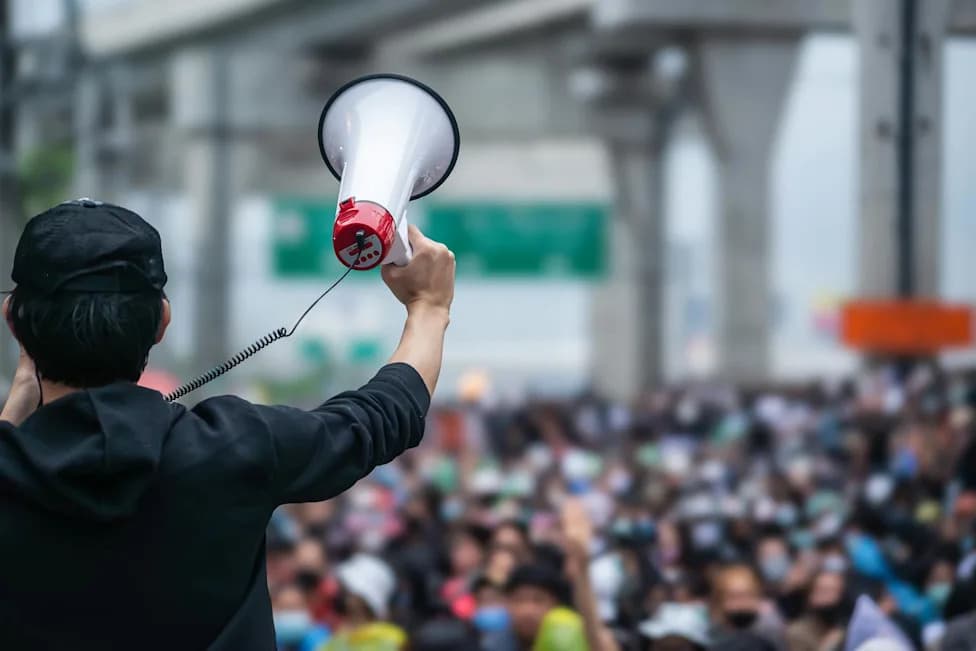
As support for populist movements grows around the world, the label "populism" has become a catchall applied to very different political actors and projects. The term is used for right-wing leaders such as Jair Bolsonaro and Narendra Modi as well as left-leaning figures like Bernie Sanders, Pablo Iglesias and Julius Malema. Despite their differences, most definitions of populism share a core idea: a moral division between a virtuous 'people' and a corrupt elite.
What Does 'The People' Mean?
The idea of 'the people' is central to populist politics, yet scholars and practitioners often define it differently. Some treat populism as an ideology, others as a discursive style or a form of governance. Crucially, the flexibility and vagueness of 'the people' make it portable across countries and ideologies. That imprecision allows politicians to shape the boundary of inclusion to match local grievances and identities.
Right-wing populists frequently tie 'the people' to cultural or national identity — for example, Marine Le Pen frames policies in terms of prioritising French citizens, and Spain's Vox routinely claims to speak for 'the Spanish people'. By contrast, figures like Germany's Sahra Wagenknecht deploy 'the people' to highlight economically vulnerable groups, emphasising working-class concerns and calls for stronger social protections.
Who Is Excluded?
Equally important is who is left out. Right-wing narratives often exclude on cultural, racial or immigrant lines; left-wing populism tends to exclude wealthier classes and elites. Some populists go further and imply that political opponents are not part of the people at all — as Nigel Farage bluntly put it:
'We're the people. The Brexit party are the people.'
What Supporters Feel and Experience
Much research focuses on leaders and party rhetoric. My research turns the lens toward supporters to understand what belonging to this imagined community means in practice. Using two complementary methods — analysis of 6,000 online interactions and 33 in-depth interviews with supporters of right- and left-wing populisms — I found that supporters identify with 'the people' in three overlapping ways:
- Imagination: Supporters picture 'the people' as hardworking, deserving and morally legitimate. On the right this often links to cultural belonging; on the left it emphasises class-based solidarity.
- Emotion: Identification is deeply emotional: affection and loyalty toward preferred leaders, and anger or fear toward elites, opponents and perceived threats to the community.
- Experience: Membership is lived through social ties and participation. Interacting with fellow supporters — online or offline — creates belonging, validation and purpose. Political activity such as rallies or digital campaigning strengthens these bonds.
Why This Matters
These findings show that populist support is not only about specific policies. The term 'the people' works because it is adaptable to different contexts and because supporters' own interpretations and emotions resonate with political messaging. Moreover, it offers an aspirational sense of community: people feel seen, understood and connected to a shared purpose when they are told they belong.
Understanding how supporters imagine, feel about and experience 'the people' helps explain why populism can mobilise across ideological divides and persist even when specific policy proposals vary. It also highlights the role of social spaces — especially online communities — in forging and reinforcing collective identities.
Originally published in The Conversation. Article author: Clara Juarez Miro.
Help us improve.