Treasury Secretary Scott Bessent announced the Trump administration will sanction a previously unnamed "large" bank on Monday as part of an intensified campaign to pressure Iran. The action, delayed from Friday due to 9/11 commemorations, was not linked to any specific country. Bessent warned firms and individuals that continued business with Iran could become "unprofitable," while the administration expands secondary measures under "Operation Economic Outcast," which has sanctioned nearly 60 targets.
U.S. To Sanction a 'Large' Bank on Monday — Treasury Chief Warns Firms Over Iran Ties
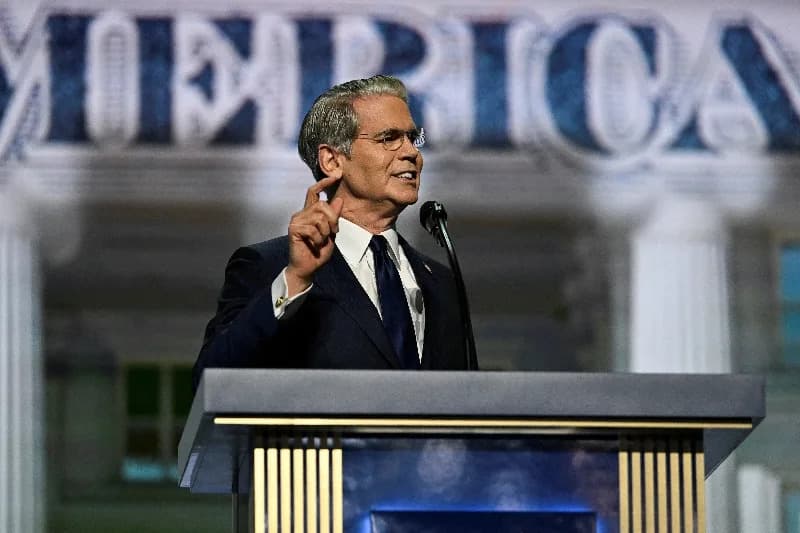
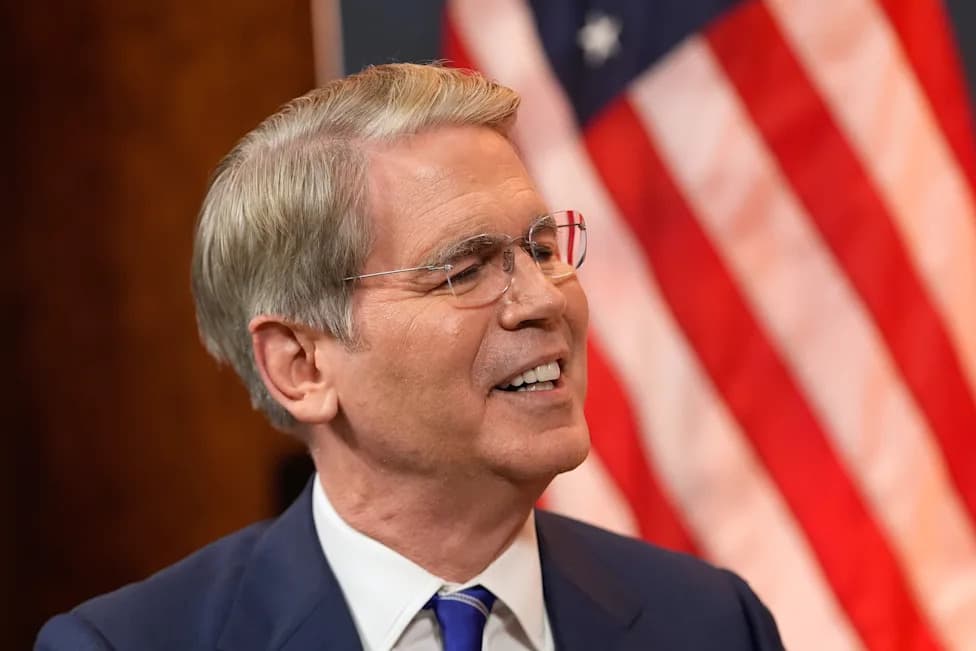
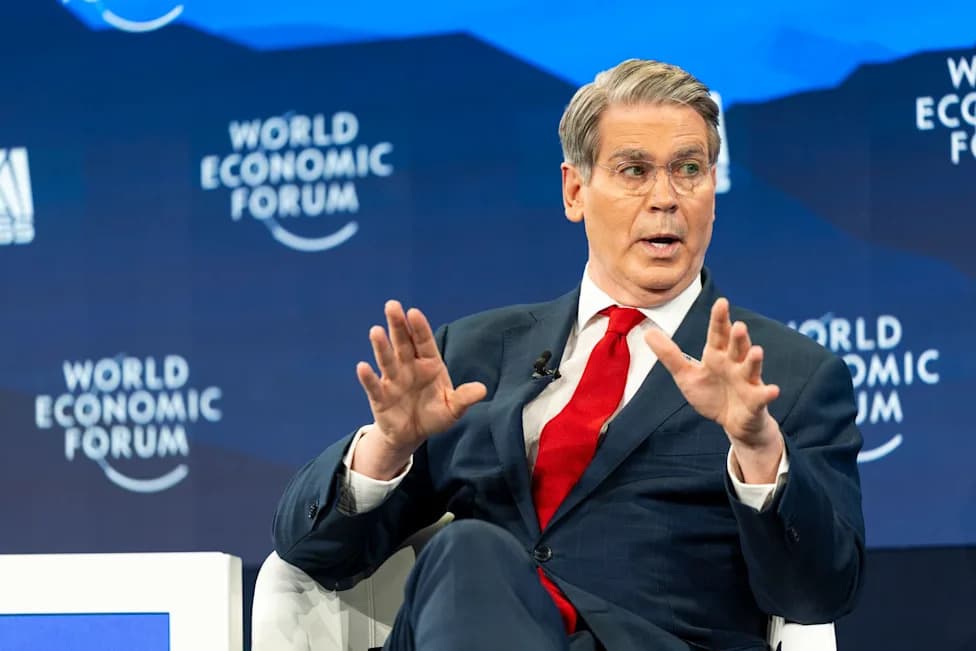
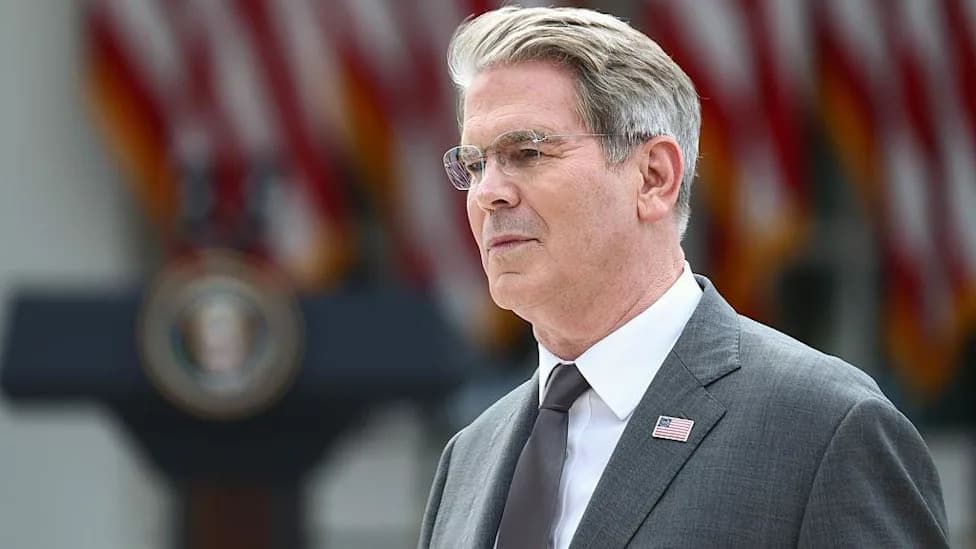
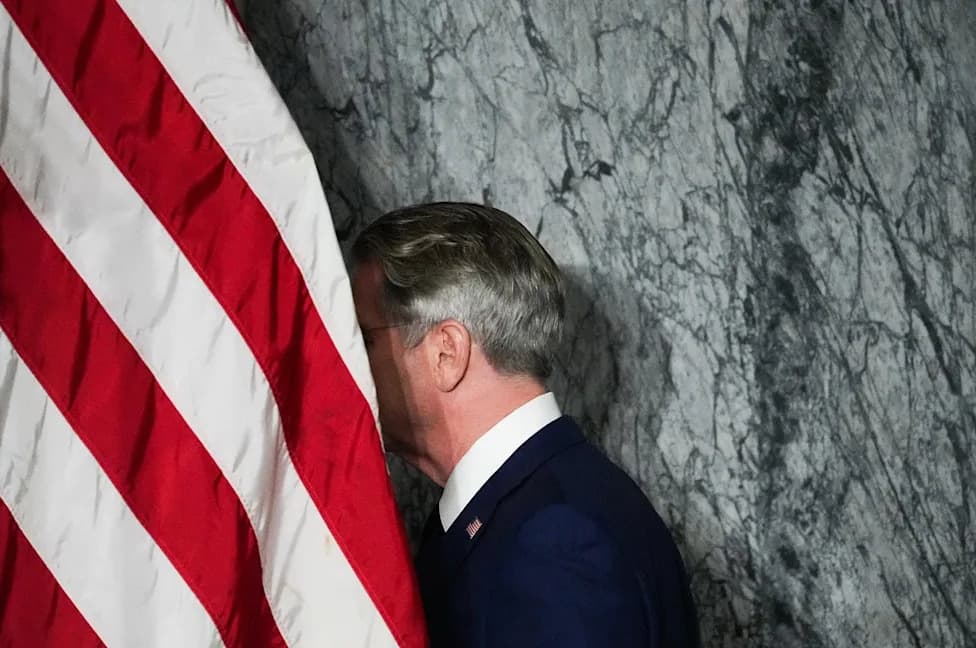
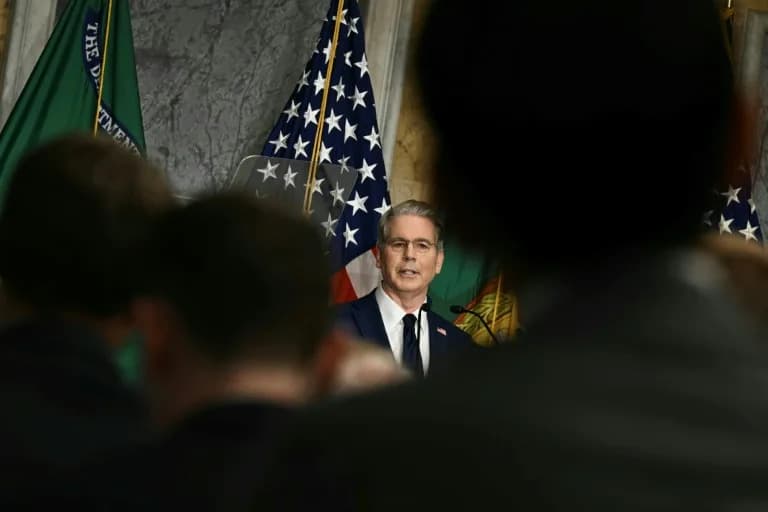
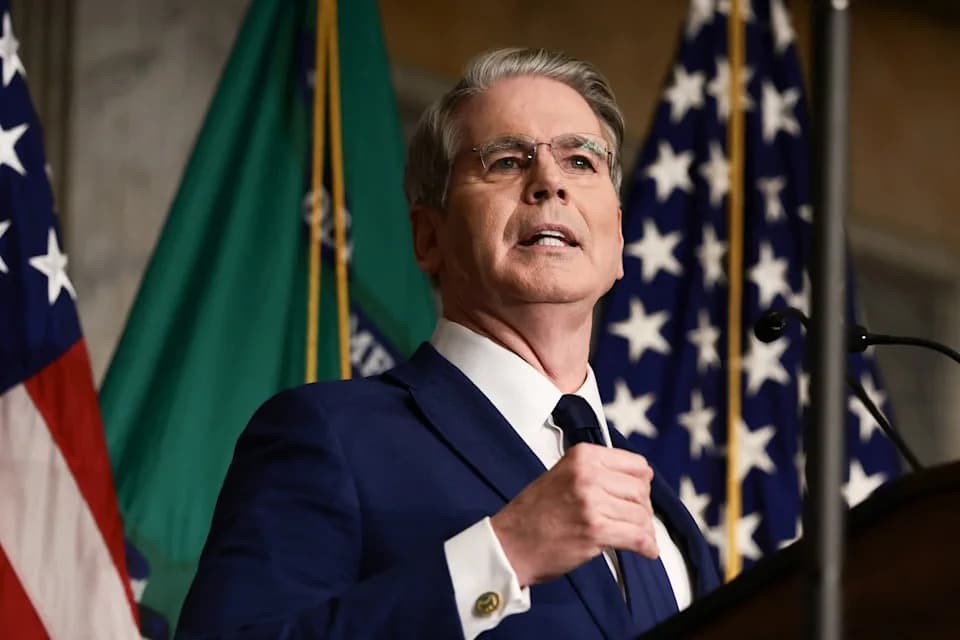
FILE PHOTO: U.S. Treasury Secretary Scott Bessent speaks at the Republican National Midterm Convention in Dallas, Texas, U.S., September 9, 2026. REUTERS/Callaghan O'Hare/File Photo
WASHINGTON, Sept 10 (Reuters) — U.S. Treasury Secretary Scott Bessent said on Thursday the Trump administration will impose sanctions on a "large" bank next week as part of an intensified campaign to pressure Tehran over a conflict that has lasted more than six months.
Bessent did not identify the institution or the country where it is based during an appearance on Real America's Voice, but said the action is scheduled for Monday. He added the move had originally been planned for Friday but was postponed because of ceremonies marking the 25th anniversary of the September 11, 2001 attacks.
"We are just going to continue with this process until everyone stops dealing with this regime," Bessent said. "We will make it so unprofitable that if you want to risk an extinction-level event for your company or for your person, your personal finances, then have at it. But we are coming for you."
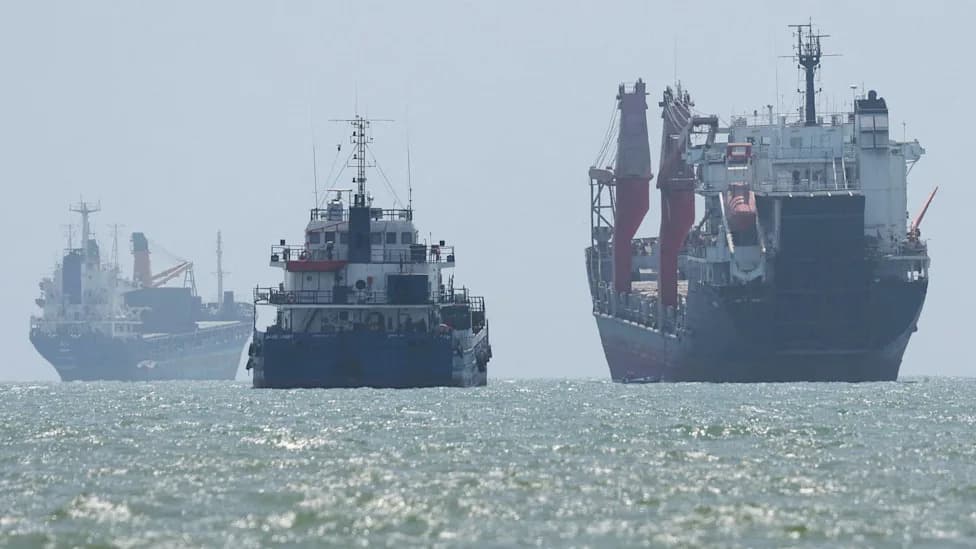
The United States has applied a broad suite of economic measures against Iran since the conflict began in February, targeting oil exports, shipping networks, weapons procurement channels, financial intermediaries, digital asset exchanges and aviation links.
Operation Economic Outcast
Last month the Treasury escalated its campaign under what Bessent called "Operation Economic Outcast," imposing sanctions on nearly 60 entities, individuals and vessels and expanding the reach of secondary sanctions on parties doing business with Iran across sectors including shipping, aviation, technology, gold and digital assets.
Analysts say the move to name a major bank signals an effort to tighten enforcement of secondary sanctions and raise the costs for international firms and intermediaries that maintain ties to Iran. Financial institutions and multinational companies that transact with banned entities could face significant fines, loss of access to U.S. markets, and reputational damage.
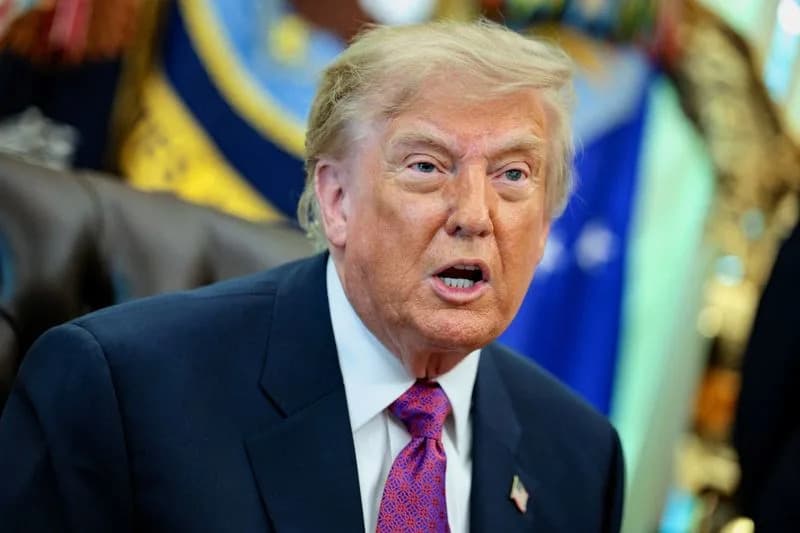
Despite the mounting economic pressure, President Donald Trump said on Wednesday he expects the war to continue beyond the U.S. midterm elections in November.
What to watch: The identity and home country of the bank, the specific sanctions imposed, whether the action includes secondary sanctions, and market and correspondent-banking reactions in the days following the announcement.
Help us improve.