The Trump administration has expanded its list of U.S.-designated "foreign terrorist organizations" to include 21 criminal groups across Latin America and the Caribbean, with an Ecuadorian gang the latest addition. Introduced in February 2025, the policy repurposes a terrorism label to target profit-driven cartels and has been cited by U.S. officials to justify operations including the capture of Nicolás Maduro and strikes on ships they called "narcoterrorist." Mexico has the most groups named (eight), and the strategy has prompted allied actions and controversy across the region.
U.S. Expands 'Foreign Terrorist Organization' List To 21 Latin American, Caribbean Criminal Groups
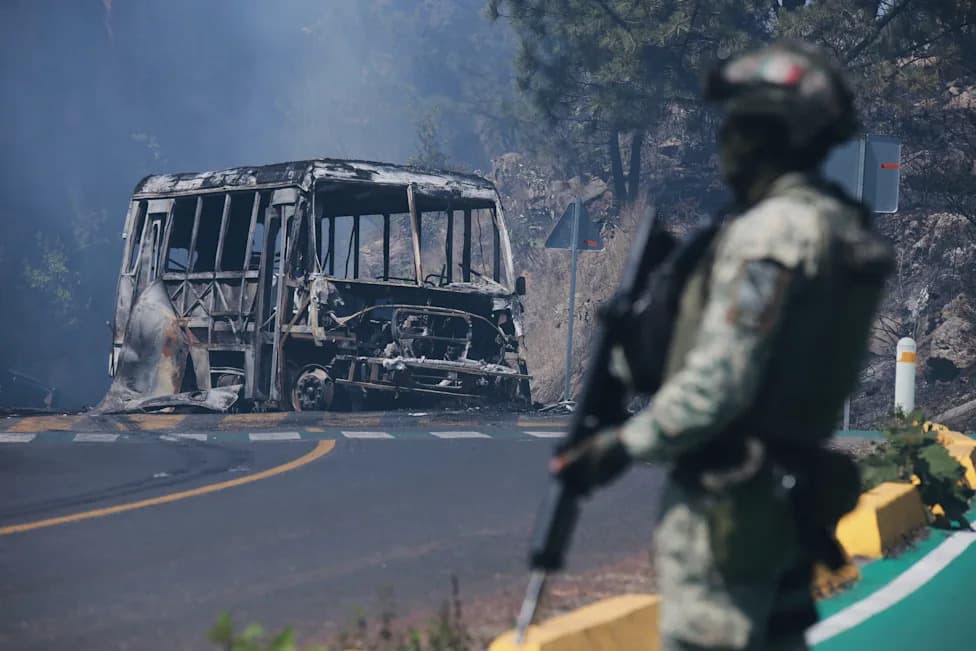
FILE - A soldier stands guard by a charred vehicle after it was set on fire in Cointzio, Michoacán state, Mexico, Feb. 22, 2026, following the death of the leader of the Jalisco New Generation Cartel, Nemesio Oseguera, also known as "El Mencho." (AP Photo/Armando Solis, File)(AP Photo/Armando Solis)
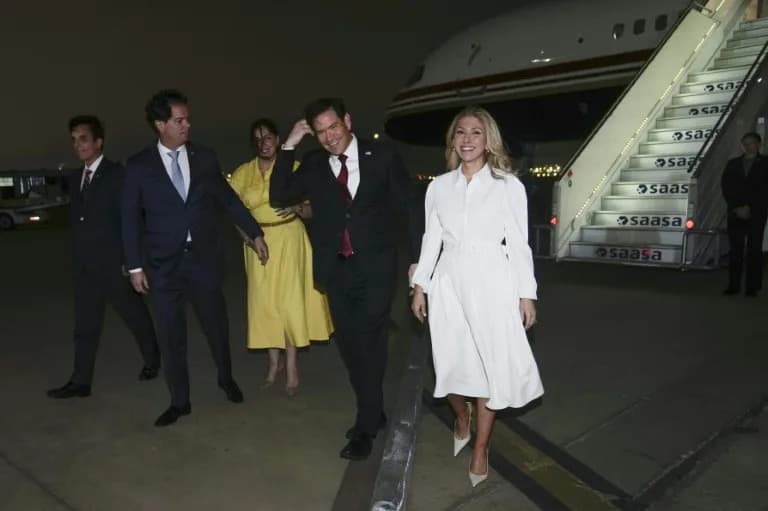
The Trump administration has added an Ecuadorian criminal group to the list of Latin American and Caribbean organizations it designates as foreign terrorist organizations, raising the total to 21, U.S. officials said Wednesday. The announcement came during U.S. Secretary of State Marco Rubio's visit to Colombia, Ecuador and Peru as part of a broader regional strategy to combat drug trafficking.
Policy Shift And Its Use
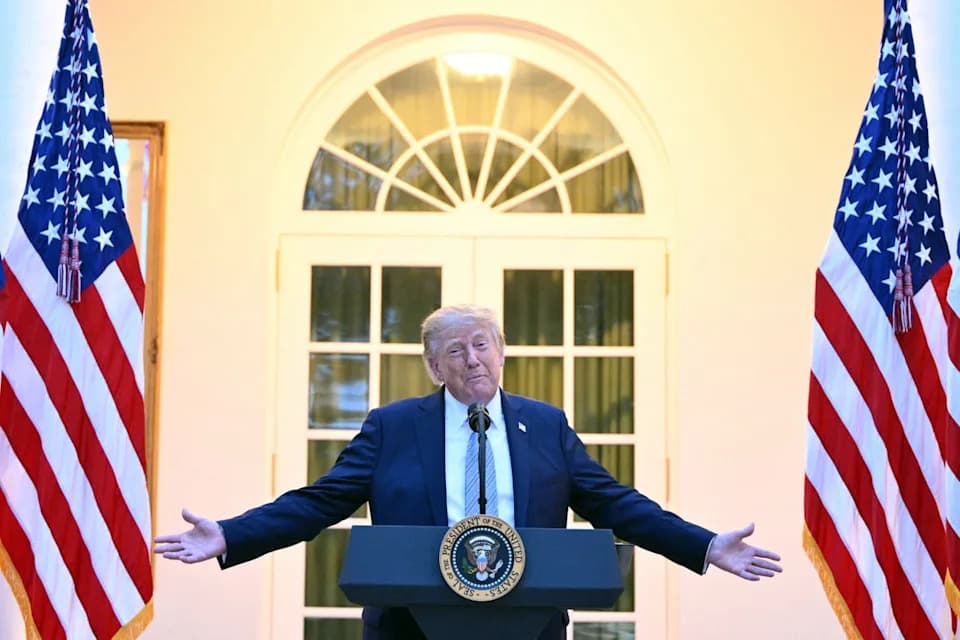
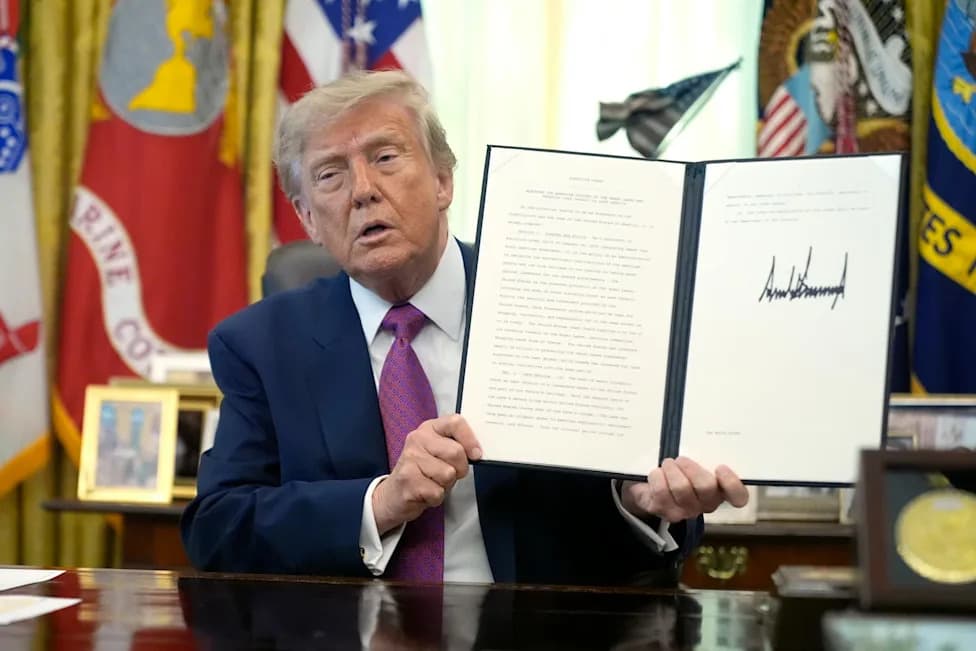
Historically, the "foreign terrorist organization" label applied to politically motivated groups such as the Islamic State and al-Qaida. The Trump administration repurposed the designation to increase pressure on transnational criminal networks and those suspected of materially supporting them. The policy, introduced in February 2025, has been invoked to justify high-profile actions that U.S. officials say include the detention of Venezuelan leader Nicolás Maduro and strikes on vessels labeled "narcoterrorist," which U.S. authorities say resulted in more than 200 deaths.
Impact, Regional Responses And Controversy
The move has encouraged similar measures in the region: countries such as Guatemala and Argentina have taken comparable steps, and Ecuador has coordinated joint operations on its soil. Mexico has the most groups on the U.S. list — eight — and faces intense diplomatic pressure as Washington seeks cooperation amid indictments of high-ranking officials in Sinaloa state. At the same time, the strategy has produced apparent contradictions: former Honduran president Juan Orlando Hernández, who was sentenced to 45 years on drug-trafficking charges, was reportedly pardoned by Trump last year and returned to Honduras.
Notable Groups Highlighted
Below are summaries of several of the groups named by the United States, reflecting the categories and concerns cited by U.S. officials and regional authorities.
1. Sinaloa Cartel & Jalisco New Generation Cartel (CJNG)
The Sinaloa Cartel, dating to the 1970s, operates an expansive global trafficking network. CJNG, formed in the 2010s, is known for extreme violence and sophisticated tactics, including drones and improvised explosive devices. Both are major sources of fentanyl and other drugs into the United States.
2. Gulf Cartel, Northeast Cartel (Zetas Offshoot) & Juárez Cartel
These organizations control key eastern and northern corridors into the United States, moving drugs, migrants, weapons and cash. The Gulf Cartel previously spawned the Zetas; the Northeast Cartel is a Zetas remnant based in Nuevo Laredo. The Juárez Cartel maintains a long-standing presence around Ciudad Juárez and major smuggling infrastructure.
3. Michoacán-Based Groups (La Familia/Nueva Familia, Successors)
Criminal networks in Michoacán produce synthetic drugs and enforce territorial control through extortion and shifting alliances. Their extortion campaigns affect multiple sectors, including avocado producers that export to the U.S.
4. Barrio 18 and Mara Salvatrucha (MS-13)
Originating in Los Angeles, both gangs expanded across El Salvador, Guatemala and Honduras following deportations. They have been targeted by tough security crackdowns, notably in El Salvador, where mass arrests have taken place.
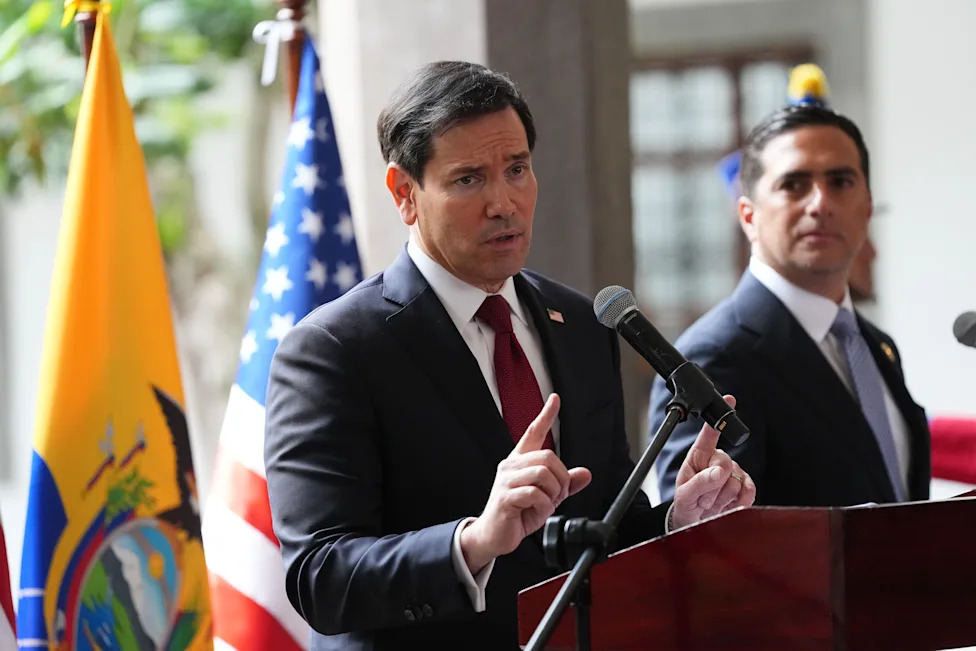
U.S. Sec. of State Marco Rubio gives a joint news conference with Ecuador's Foreign Minister Roberto Kury at Carondelet palace in Quito, Ecuador, Wednesday, Sept. 9, 2026. (AP Photo/Dolores Ochoa, Pool)(AP Photo/Dolores Ochoa)
5. Clan del Golfo (AGC) — Colombia
Also known as AGC, Clan del Golfo evolved from right-wing paramilitary groups and is estimated to have thousands of fighters. It operates in a large portion of Colombia and is widely accused of extortion and territorial control.
6. Venezuelan Prison-Origin Group (Migrant Smuggling and Exploitation)
This group emerged from a Venezuelan prison and has expanded operations across the region, exploiting migrant flows. Activities attributed to it include migrant smuggling, human trafficking, sexual exploitation and forced labor, with U.S. and regional authorities citing extreme violence.
7. Cartel de los Soles (Alleged Maduro-Linked Network)
The umbrella term refers to senior military and government officials accused of profiting from drug trafficking and other illicit activities. U.S. authorities have used the label when discussing alleged state-linked trafficking networks.
8. Ecuadorian Gangs (Los Lobos, Los Choneros, Los Tiguerones, The Chone Killers)
These gangs have been implicated in a post-pandemic surge of violence, controlling trafficking routes to the Pacific and engaging in contract killings, extortion and prison violence. Ecuador designated dozens of gangs as terrorists in 2024.
9. Brazilian Networks (Comando Vermelho, Primeiro Comando da Capital)
Comando Vermelho and PCC are among Brazil's most violent criminal organizations, coordinating with many smaller groups and carrying out brutal attacks on state agents and civilians.
10. Haitian Coalitions (Including Viv Ansanm)
Haitian coalitions blamed for widespread violence have been linked to arms trafficking, kidnappings, murders and extortion. The Viv Ansanm coalition is accused of operations that paralyzed Haiti's capital regions in 2024 and seized control of large parts of Port-au-Prince.
What To Watch
Observers will be monitoring how the designation affects international cooperation, law enforcement operations at sea and on land, and diplomatic ties with governments whose officials or officials' allies are implicated. The policy's use of a terrorism label for profit-driven criminal networks raises legal, ethical and geopolitical questions that are already producing regional responses and controversy.
Associated Press reporters Gonzalo Solano in Quito, Astrid Suárez in Bogotá, Mauricio Savarese in Rio de Janeiro and Dánica Coto in San Juan, Puerto Rico contributed to this report.
Help us improve.