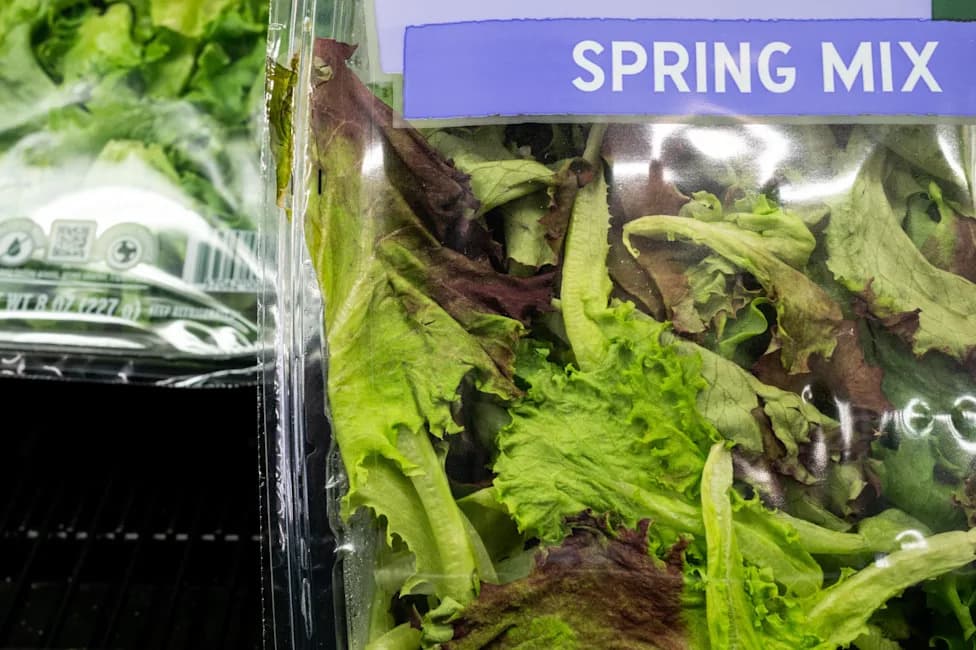
The FDA is reportedly preparing to declare the nation's largest Cyclospora outbreak over after a decline in new cases. More than 19,500 lab-confirmed infections have been reported since May, including a major cluster of 11,458 illnesses linked to shredded iceberg lettuce from Taylor Farms de Mexico. Investigators never found a Cyclospora-positive lettuce sample, and several clusters remain unresolved. Public health officials say recalled products are no longer in the food supply and surveillance will continue.
Officials Poised To End Massive Cyclospora Outbreak — But Questions Remain
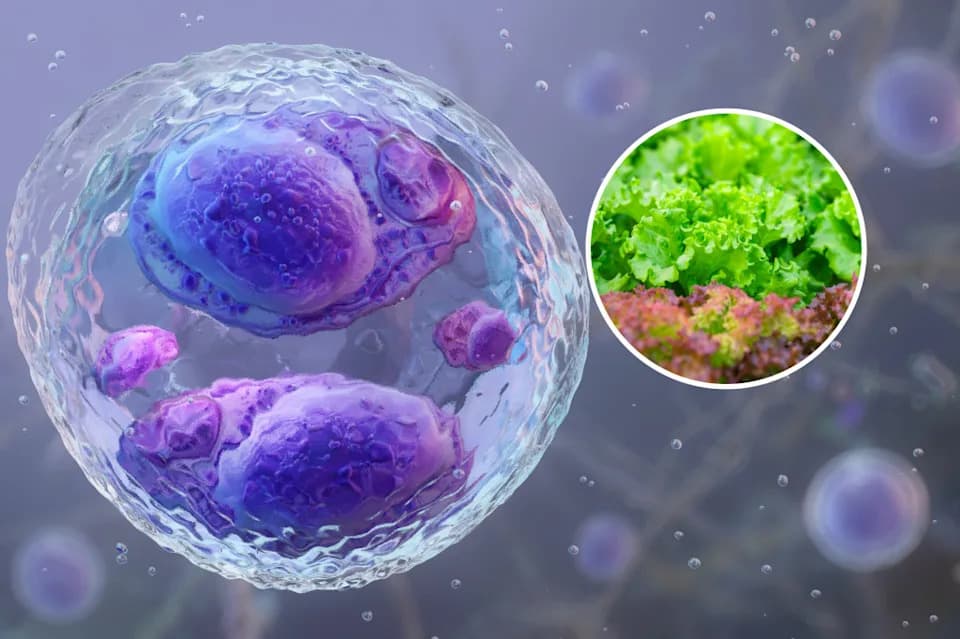
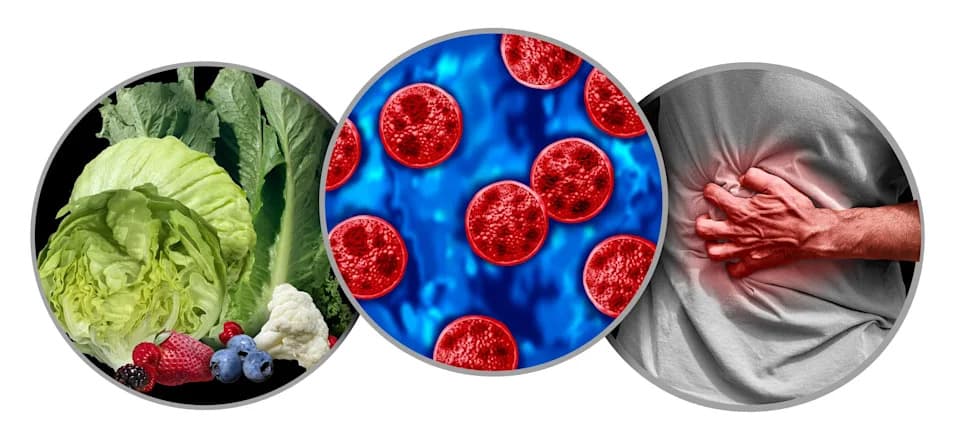
A composite image of an illustration of the Cyclospora parasite with an inset image of fresh lettuce. FDA might soon declare the outbreak over, according toWashington Postreporting.
Federal officials are preparing to declare the United States' largest recorded Cyclospora outbreak over after new case reports declined in recent weeks, though many questions about the event remain unanswered.
What Happened
The Washington Post reported Thursday that the Food and Drug Administration (FDA) is readying a formal declaration, citing unnamed sources; the FDA has not publicly confirmed the announcement. A White House official told Newsweek the Administration "will continue to rigorously monitor, assess, and respond to all disease threats to the American people." Newsweek also contacted the FDA and the Department of Health and Human Services for comment.
Scale And Link To Lettuce
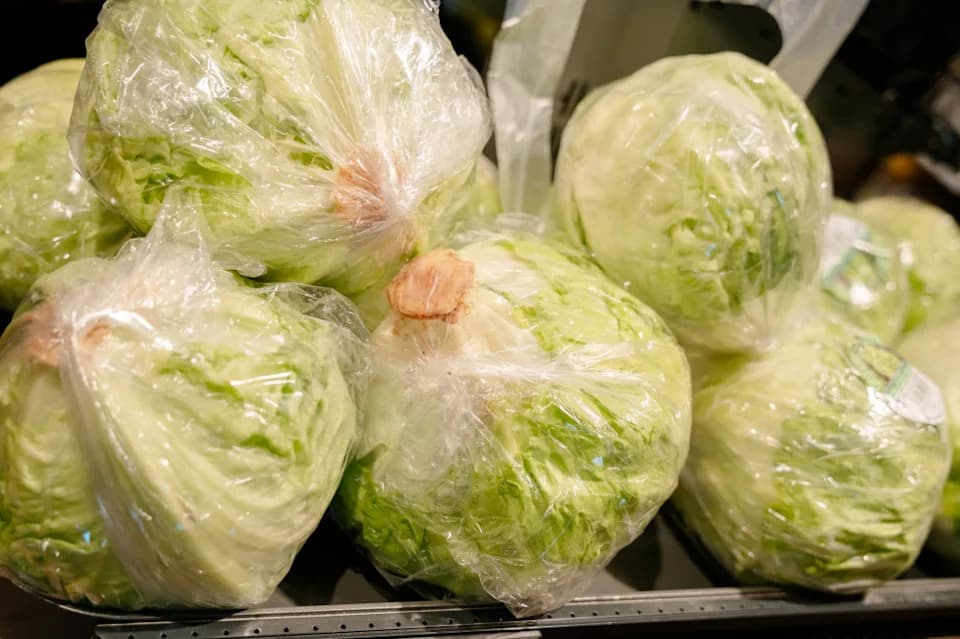
Since May 1, more than 19,500 laboratory-confirmed Cyclospora infections have been reported nationwide — an unprecedented surge compared with a typical year of roughly 1,000 cases. One major cluster was linked by federal investigators to shredded iceberg lettuce processed by Taylor Farms de Mexico; the Centers for Disease Control and Prevention (CDC) reported that this cluster sickened 11,458 people across 20 states and was associated with at least two deaths in Michigan and hundreds of hospitalizations nationwide. Recalled products were distributed to multiple food-service and retail operations, including national restaurant chains.
Why Some Cases Remain Unresolved
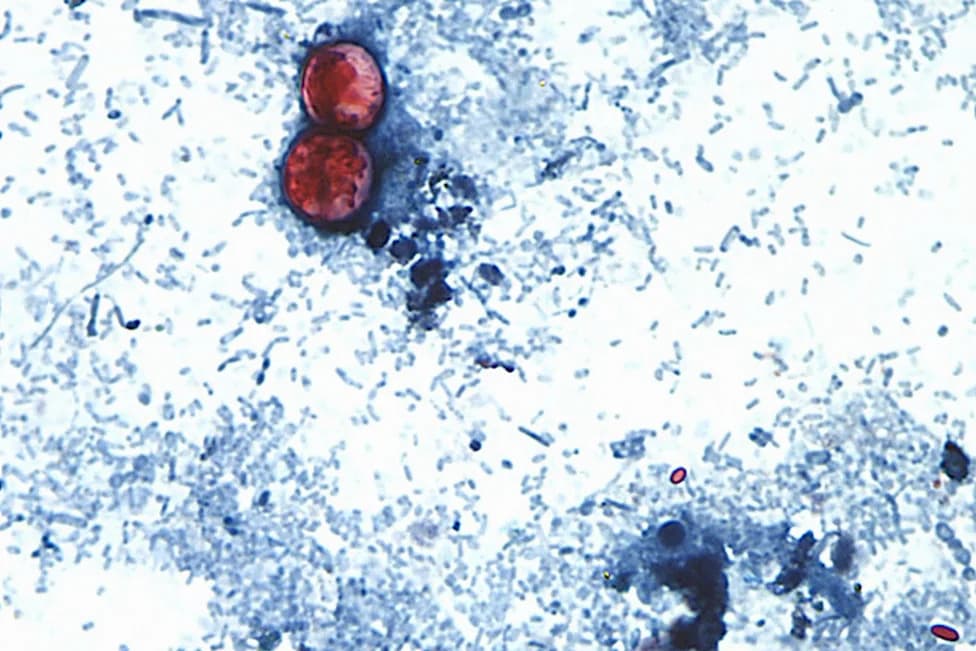
Investigators never identified a Cyclospora-positive lettuce sample, and pinpointing the exact point of contamination may be impossible. Cyclospora is difficult to detect and contaminated produce often leaves the supply chain before testing can occur. Federal agencies say they are also investigating multiple additional Cyclospora outbreaks and thousands of illnesses that appear unrelated to the Taylor Farms-linked cluster; many of those sources remain unidentified.
“If they couldn't find the definitive cause for the lettuce, they're not likely to find definitive cause for the others, either,” said Keith Schneider, a food sciences professor at the University of Florida.
Health Risks And Consumer Guidance
Cyclospora is a microscopic parasite that causes cyclosporiasis, a gastrointestinal illness marked by severe diarrhea, stomach cramps, nausea and fatigue. The parasite is often transmitted through contaminated fresh produce and can be hard to remove by washing; heat inactivates the organism, so cooked produce presents lower risk. Public health officials advise that consumers do not need to avoid lettuce generally — the Taylor Farms shredded products tied to the outbreak carried best-by dates that have passed and should no longer be in circulation.
What Comes Next
If the FDA formally declares the outbreak over, it would mark the end of a crisis that stretched through much of the summer, but public health agencies will continue surveillance and follow-up investigations. Experts note that improved testing and heightened awareness may increase detection of Cyclospora in future seasons even if the underlying incidence does not rise.
Bottom line: The immediate emergency is waning, but many cases remain unexplained and the exact contamination pathway for the largest cluster may never be fully determined.
Help us improve.