U.S. supermarket broilers have grown more than fourfold since 1957, a University of Alberta experiment found when a 1957 broiler line was raised alongside a 2005 commercial line under identical conditions. At 56 days the older line averaged 905 g while the modern line averaged 4,202 g. Scientists say selective breeding, improved feed and controlled rearing—not steroid hormones, which are banned in U.S. poultry—explain most of the change. The shift sped time-to-market but raised concerns about antibiotics and animal welfare; breeders say they are now emphasizing efficiency and livability.
How U.S. Supermarket Chickens Became Four Times Bigger Since 1957 — Breeding, Not Hormones
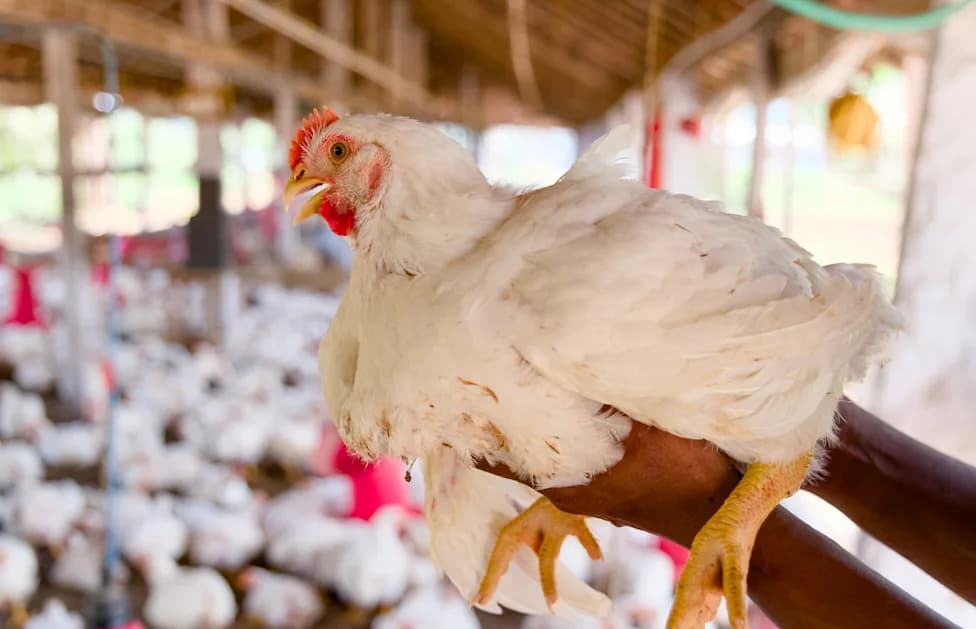
Photo Credit: iStock
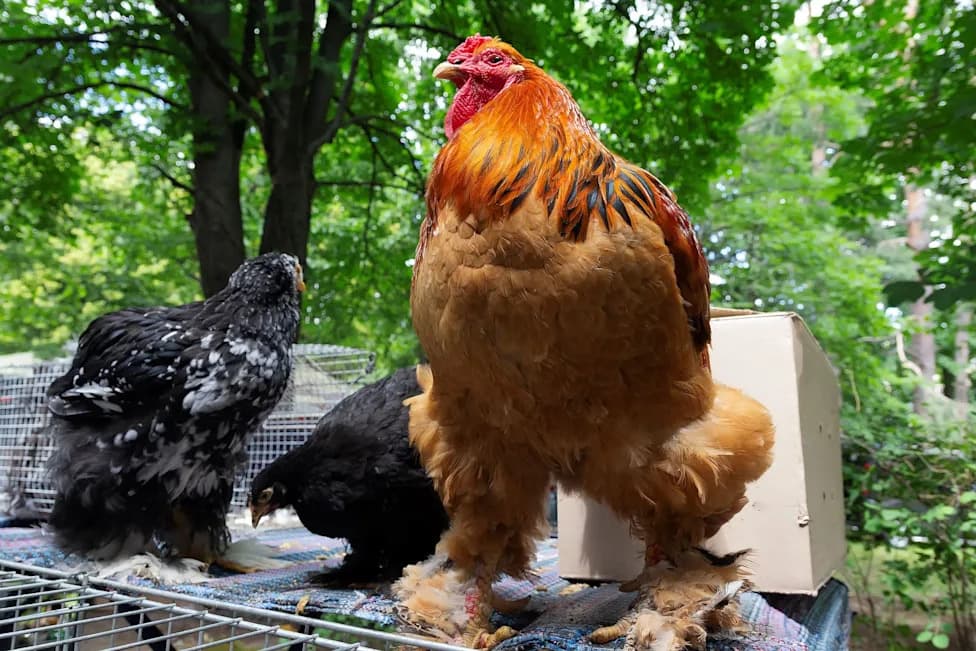
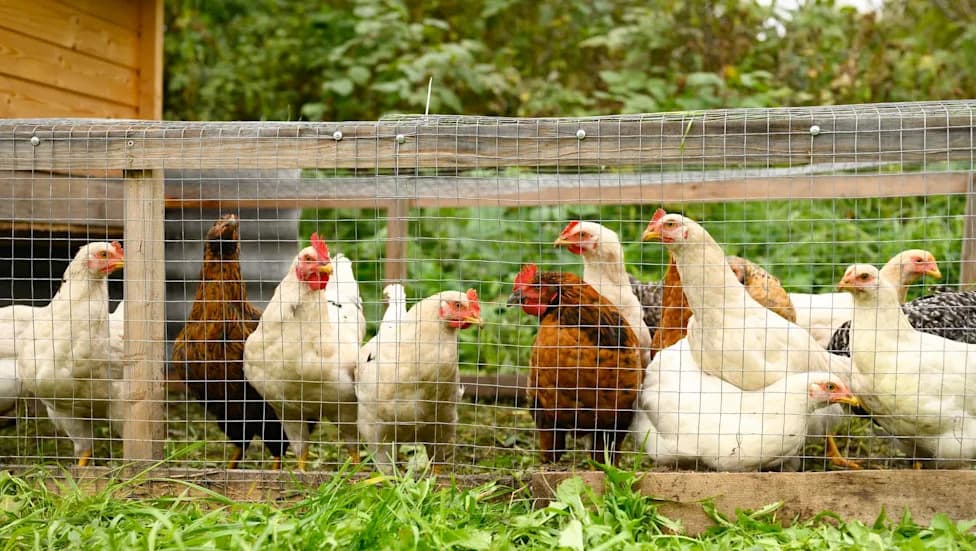
Supermarket chickens in the United States today look very different from the birds sold to earlier generations. Decades of targeted breeding, improved feed and tightly controlled rearing practices have produced broilers that grow far faster and much larger than their mid-20th-century counterparts.
Study Details and Key Findings
A University of Alberta study raised a preserved broiler line from 1957 alongside a commercial 2005 broiler under identical feeding and housing conditions. At 56 days of age the 1957 line averaged 905 grams (2.0 lb), while the modern 2005 line averaged 4,202 grams (9.3 lb) — more than four times heavier.
"It is NOT due to steroid hormones (feeding or injection) but rather because of effective programs that selected chickens with higher growth rates, yield, and efficiency," said Martin Zuidhof, a University of Alberta researcher involved in the study.
Why The Change Happened
Researchers and industry experts attribute most of the increase to selective breeding programs developed during the 20th century, plus optimized feed formulations and controlled growing conditions. Popular perceptions about hormones are misleading in the U.S. context: hormones are prohibited in poultry production, and the evidence points to genetics and management as the drivers of faster growth.
Paul B. Siegel, a long-time Virginia Tech broiler genetics researcher, notes that while chickens were domesticated thousands of years ago, genetic programs designed specifically to maximize broiler performance are a product of the 20th century.
Industry Practices and Consequences
The industrial push toward faster, larger birds began in part with mid-century programs such as the "Chicken of Tomorrow" breeding contest, which favored birds that matured quickly, yielded larger breast meat, and could be produced cost-effectively at scale. The National Chicken Council reports that average time to market has fallen from about 70 days to roughly 47 days; some broilers now reach slaughter age in as little as 35 days.
That optimization for growth and cost has side effects. Widespread antibiotic use in poultry production raises public-health concerns about antibiotic resistance. Rapid growth has also been linked to animal welfare problems, including leg weakness, heart conditions and respiratory issues in broilers.
Signs of Change
There are early shifts within the breeding industry: primary breeders report selecting less intensively for sheer size and placing more emphasis on efficiency, livability and reproductive traits. Producers are also experimenting with feed innovations — for example, grape pomace additives — to improve flock health and reduce waste.
Beyond genetics and feed, the broader supply chain matters: packaging chemicals and livestock's contribution to climate impacts are important parts of the economic and environmental calculus behind cheap chicken.
Bottom line: Modern broilers are the result of deliberate genetic selection and industrial production practices, not hormone use. Consumer preferences for larger, cheaper birds have driven much of this transformation, and evolving industry priorities may soften some negative effects over time.
Help us improve.