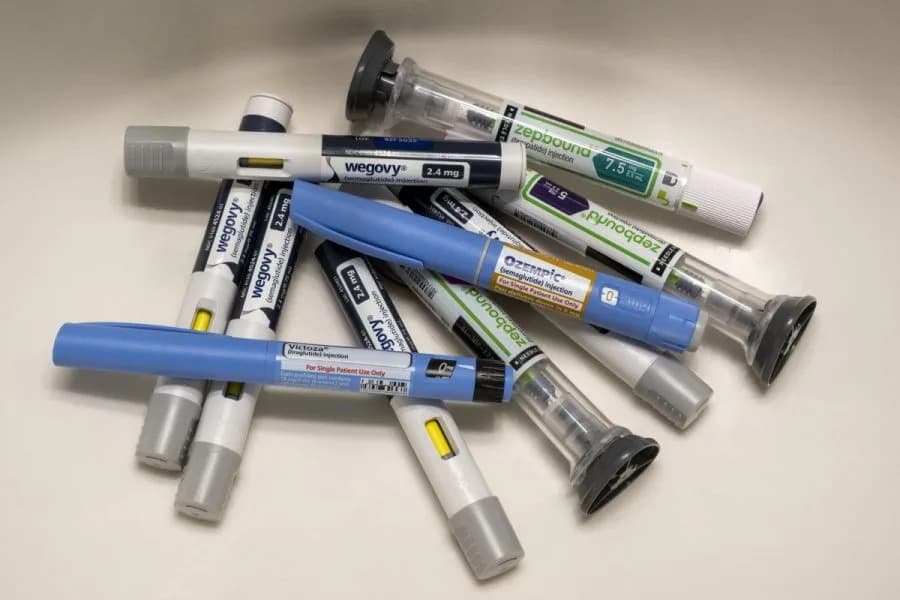
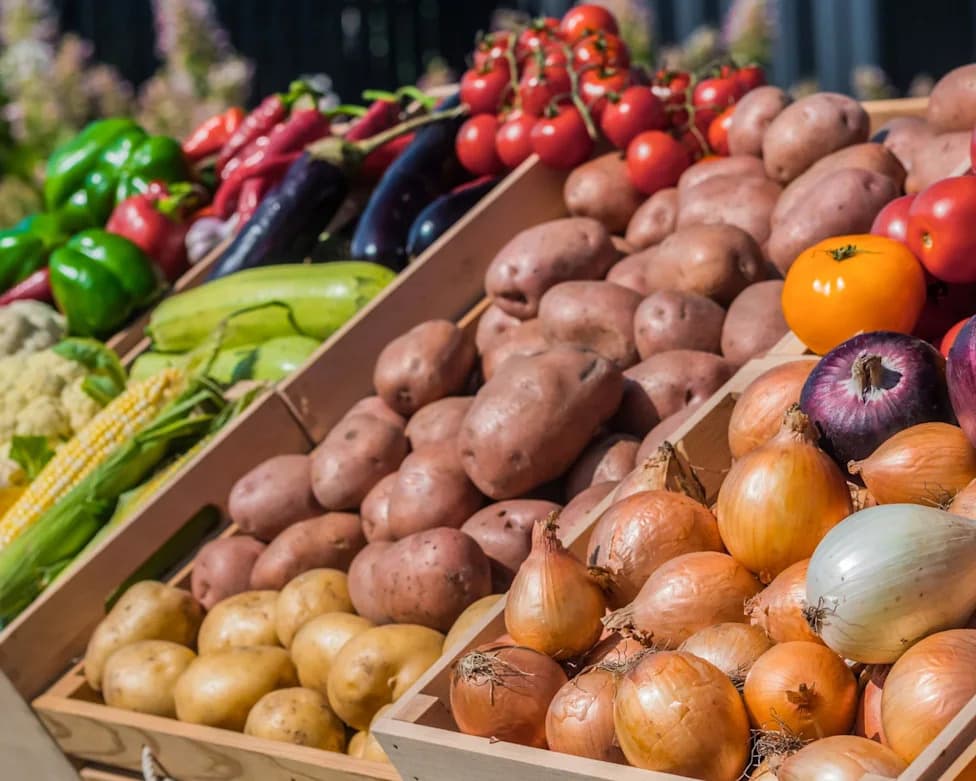
Nearly half of U.S. adults (48%) now want more protein in their diets, a seven‑point increase from last year, according to Circana. The rise coincides with broader use of GLP‑1 weight‑loss drugs — now used by 8.5% of adults — whose appetite effects have driven many users to prioritize protein to preserve muscle. Experts warn this protein focus has created a nutrition gap: adults consume nearly double the recommended protein but less than half the recommended fiber.
Protein‑Maxxing Surges As GLP‑1 Drugs Spread: Americans Chase Protein — And Overlook Fiber
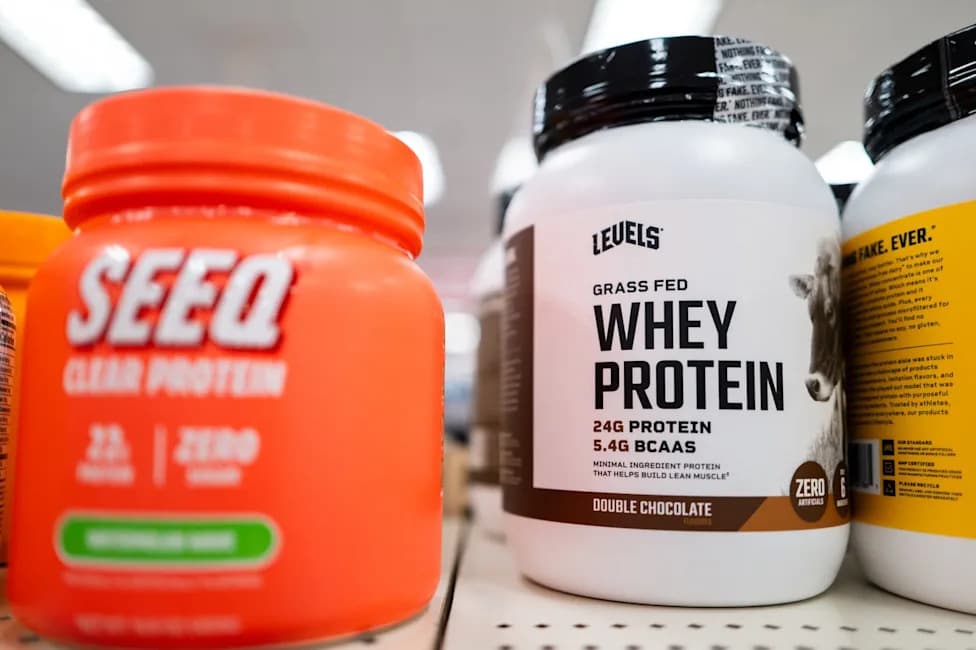
Americans’ demand for ‘protein-maxxing’ isn’t slowing down as GLP-1s sweep country
Demand for protein in the United States shows no sign of slowing as a trend dubbed "protein‑maxxing" gains momentum alongside rapid adoption of GLP‑1 weight‑loss drugs.
Key Findings From Circana
According to Circana's Eating Patterns in America report, 48% of U.S. adults now say they want to add more protein to their diets — a seven percentage‑point jump from last year. Protein is now second only to vegetables on the list of foods Americans want more of.
The report also notes a sharp rise in use of glucagon‑like peptide‑1 (GLP‑1) medications: 8.5% of adults report using GLP‑1s this year, up from 4.8% last year. Many people taking these drugs experience appetite suppression, and they often prioritize protein to help preserve muscle mass during weight loss.
Circana highlights that this shift in behavior is concentrated among GLP‑1 users: roughly 65% of people in that group are seeking higher‑protein options, helping push overall protein demand.
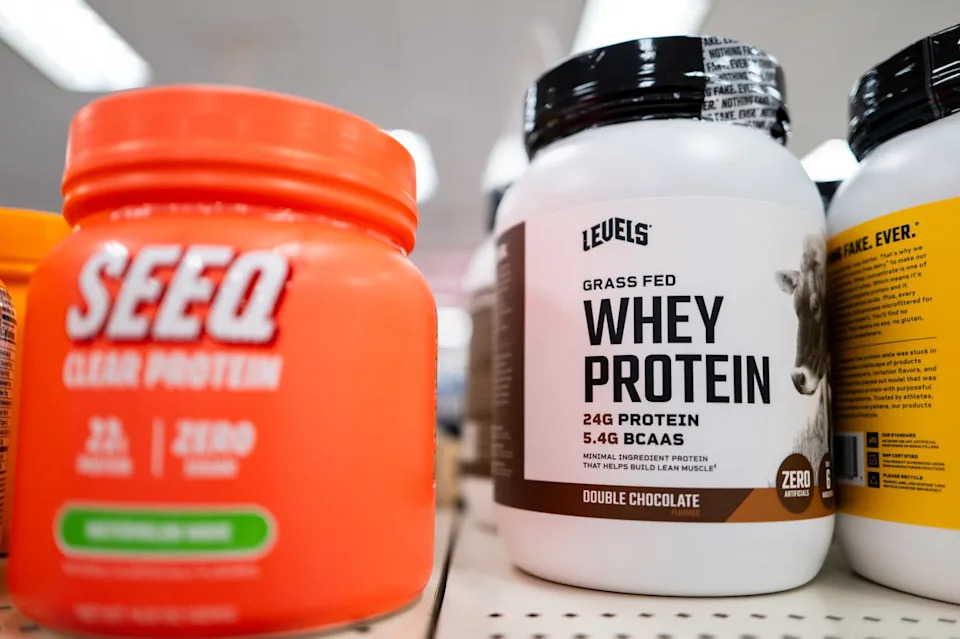
Protein is the biggest nutritional priority for nearly half of all Americans, according to a new report (Getty)
Nutrition Tradeoffs
Experts warn the protein focus has a downside. Registered dietitian Daphene Altema‑Johnson of the Johns Hopkins Center for a Livable Future says,
"The obsession with protein is actually driven by the perception that more protein equals better health."
Circana's data show a growing nutrition gap: adults now consume nearly double the recommended amount of protein each day while taking in less than half the recommended fiber. That imbalance raises concerns about long‑term digestive health and chronic disease risk.
Industry Response
Food manufacturers and foodservice operators have responded quickly. Labels such as "GLP‑1 friendly" and "high protein" are increasingly common: about 12% of commercial foodservice meals are now described as high protein, a category that grew by 11% year over year.
As more Americans adopt GLP‑1 medications and dietary trends shift, nutrition experts emphasize balanced planning: boosting protein can be beneficial for muscle retention, but it should not come at the expense of fiber and other essential nutrients.
Help us improve.