Modern paleontology places egg-laying animals at about 540 million years ago, long before birds evolved. The domestic chicken (Gallus gallus domesticus) emerged gradually from the red junglefowl over roughly 8,000 years of domestication. Scientists say the first true chicken hatched from an egg that carried the defining genetic combination, so the egg preceded the chicken.
Scientists Confirm: The Egg Came Before the Chicken — Here's Why
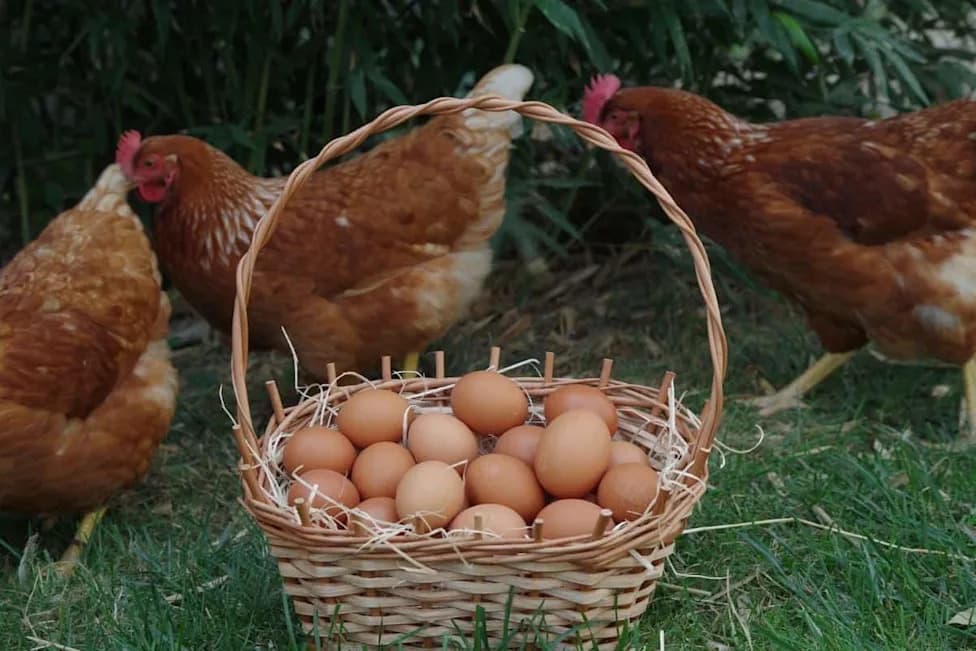
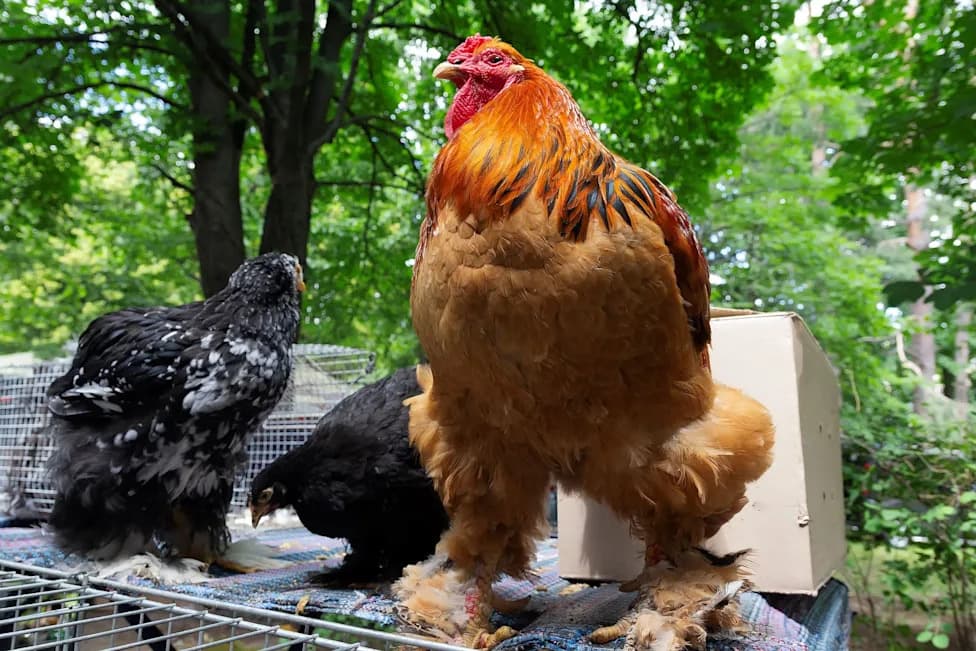
Which Came First, The Chicken Or The Egg? Scientists Finally Have The Answer© Ajale/ via Canva.com
For centuries the playful paradox “Which came first, the chicken or the egg?” has fascinated philosophers and casual debaters alike. Modern evolutionary research, however, gives a clear answer: the egg came first. Understanding why requires looking back hundreds of millions of years and at how species gradually change.
The Evidence From Deep Time
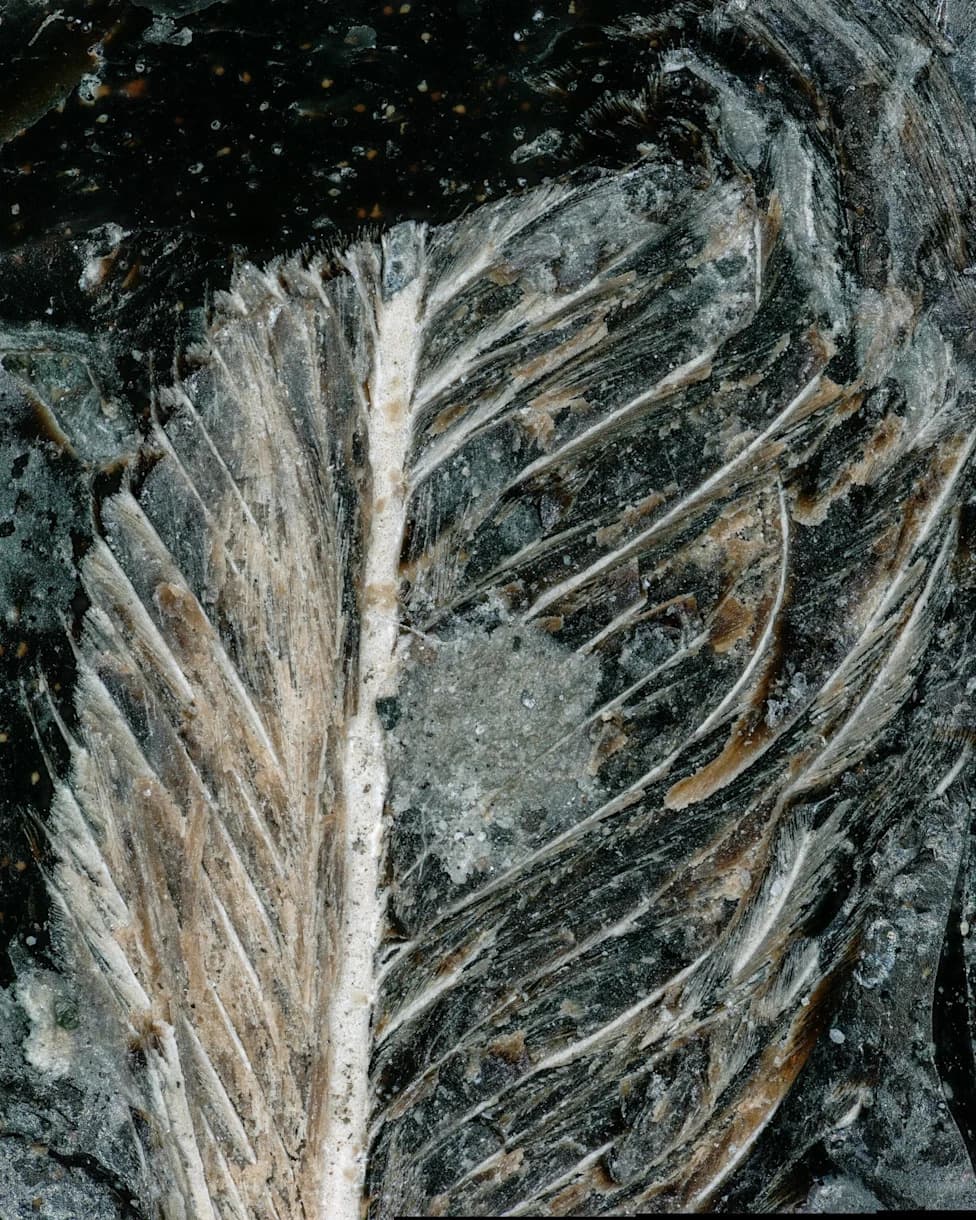
Paleontologists date the origin of egg-laying animals to roughly 540 million years ago. By that time, a wide variety of creatures—early fish, amphibians and then reptiles—were already producing eggs. Those egg structures and reproductive strategies predate the evolution of birds by a vast margin, so eggs as a biological concept existed long before chickens.
©Franke de Jong/Shutterstock.com
How The First Chicken Appeared
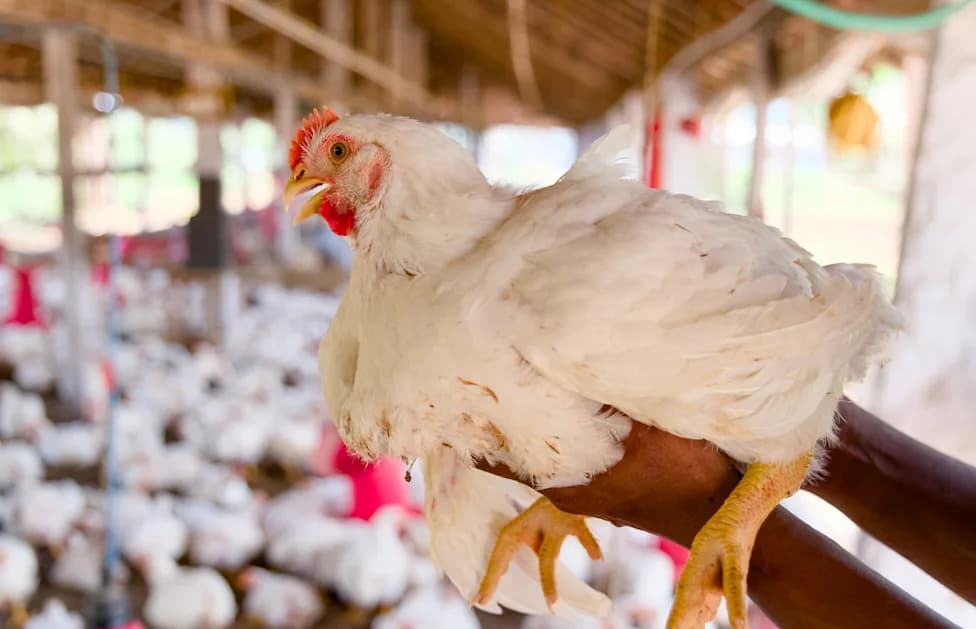
The domestic chicken, Gallus gallus domesticus, did not appear suddenly. It is the product of thousands of years of gradual change from its wild ancestor, the red junglefowl. Humans began domesticating these birds about 8,000 years ago, and selective breeding and random genetic variation accumulated over many generations.
Speciation is often a slow, stepwise process. At some point, two birds that were very close to modern chickens mated and produced an egg carrying a new combination of genes. That egg contained the genetic makeup that researchers would call the first true chicken. In that sense, the egg bearing the decisive genetic change came before the chicken that hatched from it.
©Rachelle Rae Denee/Shutterstock.com
Eggs As An Evolutionary Innovation
Beyond birds, egg-like reproductive systems and the molecular machinery for embryonic development exist deep in the tree of life. Developmental biologists have found that many of the biochemical processes and structural components required to form embryos inside protective enclosures were present in early animal ancestors, long before birds evolved.
Bottom line: The egg is an ancient evolutionary innovation; the specific bird we call a chicken hatched from an egg that carried the genetic changes defining that species.
Viewed through evolutionary biology, the riddle highlights how nature works as a continuum rather than as a series of abrupt beginnings. The “egg” — a protective vessel for developing life — is much older than any modern egg-laying species, including the chicken.
Help us improve.