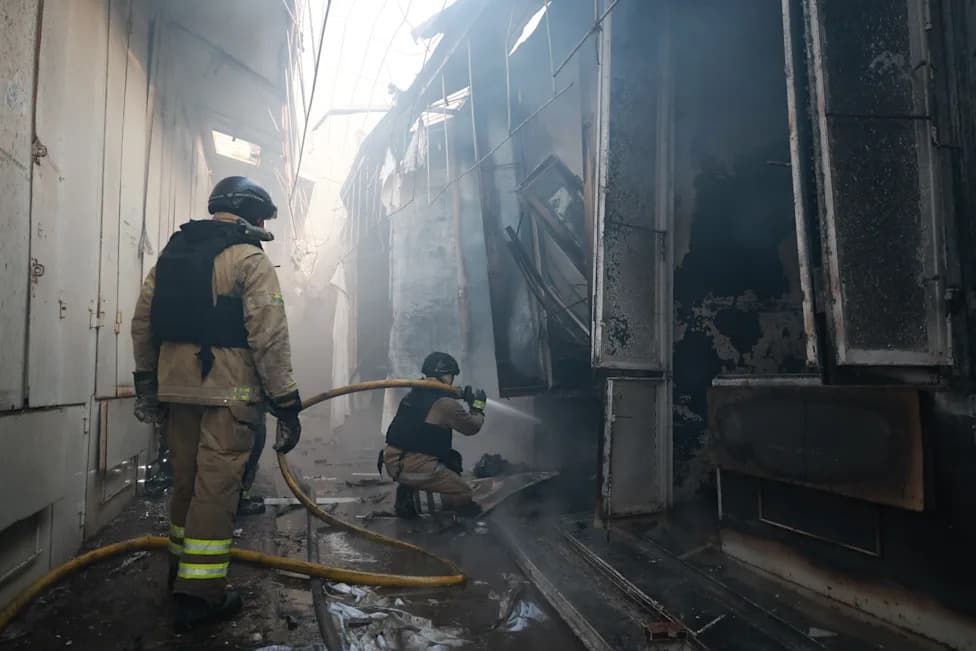
The United States could still secure major foreign-policy gains in Ukraine, Iran and Venezuela, but doing so requires confronting difficult choices. For Ukraine, the author urges authorizing expanded Starlink-enabled targeting and rapidly supplying 50+ F-16s to blunt Russian airpower. For Iran, the piece advocates renewed military pressure combined with intensified financial isolation to foment internal dissent—an approach it calls controversial and high-risk. In Venezuela, the argument stresses restoring democratic legitimacy quickly to attract durable foreign investment.
How the U.S. Could Secure Major Foreign-Policy Wins In Ukraine, Iran And Venezuela
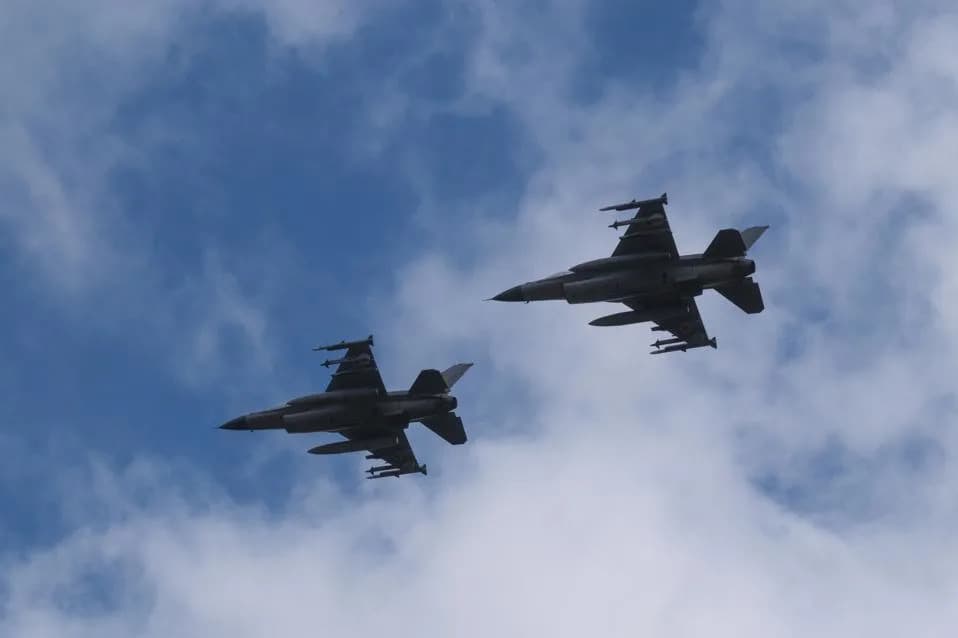
F-16 Fighting Falcons in Ukraine. (Photo by Vitalii Nosach/Global Images Ukraine via Getty Images)Global Images Ukraine via Getty Images
The United States still has an opportunity to achieve three consequential foreign-policy victories—in Ukraine, Iran and Venezuela—but doing so will require confronting hard choices and accepting trade-offs. The proposals below summarize one strategic argument for decisive action and identify immediate measures that proponents say could alter each crisis’s trajectory.
Ukraine: Deny Putin a Winter Advantage
Vladimir Putin appears convinced that renewed force, including a large troop buildup and attacks on Ukraine’s energy infrastructure this winter, could produce a strategic breakthrough. Ukraine remains vulnerable to Russian airpower, and the Kremlin may hope that attrition and winter hardship will force Kyiv to accept unfavorable terms.
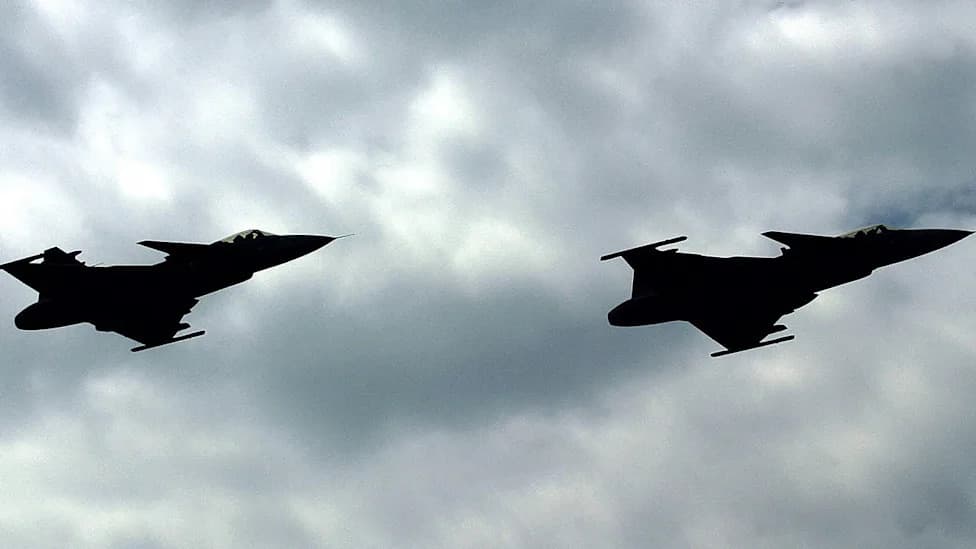
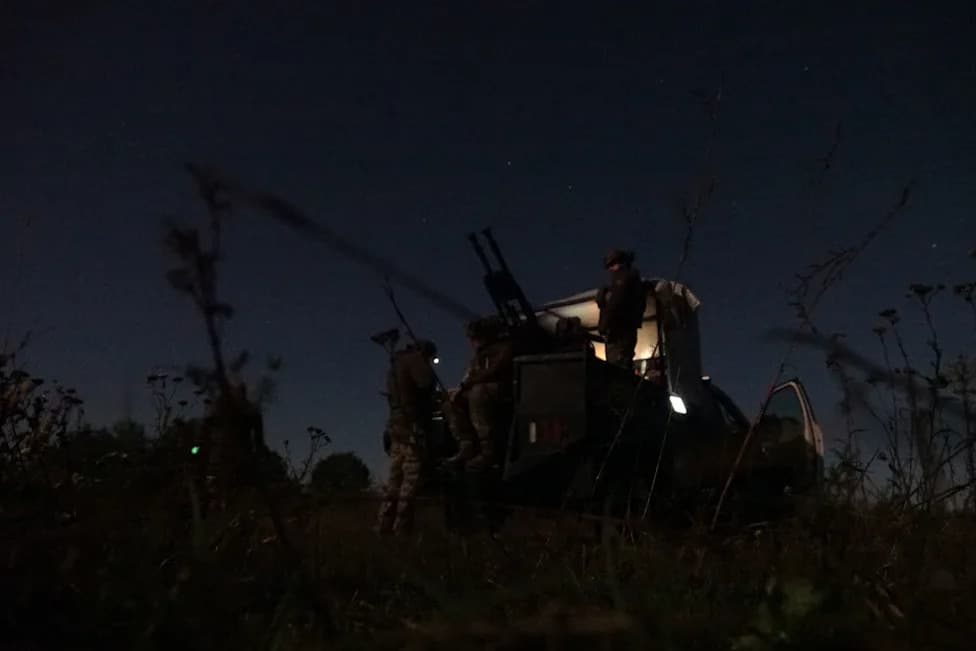
Two near-term measures could blunt that strategy. First, Washington could authorize the expansion of Starlink-enabled targeting to allow Ukrainian forces to guide drones and precision strikes farther into Russian-held territory. Kyiv already uses Starlink to coordinate operations inside occupied Ukrainian areas; enabling cross-border targeting would increase the potential to disrupt Russian logistics and command nodes. Second, the U.S. could announce a rapid transfer of 50 or more F-16 fighter jets to strengthen Ukraine’s air defenses and interdiction capabilities. Ukraine is slated to operate roughly 79 F-16s but currently fields only about 39; the United States maintains a large inventory of the type.
Both steps are politically sensitive and could complicate diplomacy in the short term. Proponents argue, however, that unless Moscow is convinced it cannot achieve victory, negotiation leverage will remain limited.
Iran: Pressure, Regime Change—or Negotiation?
The article’s author contends that Tehran’s leadership is strained but still believes it can outlast external pressure and survive politically by delaying or manipulating talks. From that perspective, only regime collapse would yield a lasting shift in Iran’s behavior. The author therefore advocates resuming sustained military pressure—operations that were scaled back in April—and intensifying financial and diplomatic isolation to foment domestic unrest and fissures within Iran’s security services.
These recommendations are highly contentious and carry significant risks, including escalation, regional instability, and humanitarian consequences. Others argue that a negotiated settlement or tightly managed containment would be safer and more sustainable. The piece frames renewed pressure as a pathway to creating conditions for internal political change, but readers should note this is a partisan strategic prescription rather than an uncontested policy consensus.
Venezuela: Rebuilding Legitimacy To Unlock Investment
On Venezuela, the author criticizes delays after U.S. support for opposition actions in January and argues that Washington missed an early opportunity to help restore a democratic government. The central claim is that only a government with clear democratic legitimacy can attract the large-scale foreign investment required to develop Venezuela’s oil potential sustainably; deals struck with an illicit or unstable regime will likely prove fragile.
Realistically, restoring democratic governance in Venezuela will require a coordinated international effort, credible elections, and robust anti-corruption and governance reforms to reassure investors and Venezuelans alike.
Conclusion
The piece argues that decisive wins in these three theaters would reverse perceptions of American strategic decline. The recommendations—authorizing expanded Starlink targeting, rapidly supplying F-16s to Ukraine, reapplying intensive pressure on Iran, and accelerating democratic restoration in Venezuela—are presented as high-payoff but high-risk options. Policymakers must weigh the potential strategic benefits against the diplomatic and humanitarian costs of each approach.
Originally published on Forbes.com; this version clarifies language and corrects an ambiguous description of U.S. actions regarding Venezuela.
Help us improve.