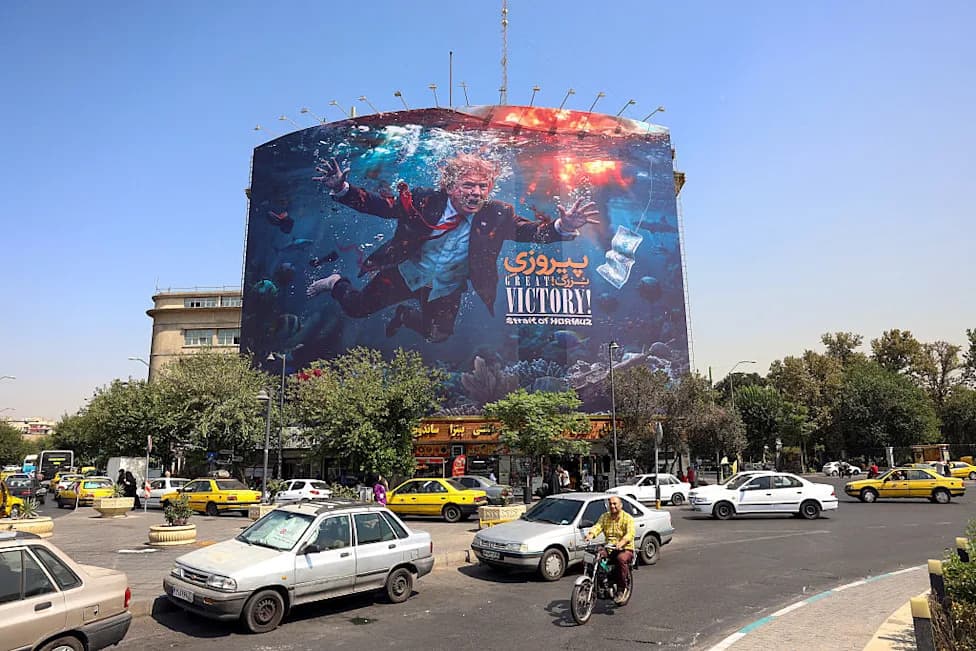
Six months after Operation Epic Fury, Iran has shown unexpected resilience and used the Strait of Hormuz to reshape the confrontation. The piece argues the U.S. should shift from seeking decisive, short-term outcomes to preparing for prolonged strategic competition. Drawing on Cold War lessons, Washington should combine credible near-term deterrence in the Gulf with sustained economic, technological and ideological measures to limit Tehran's room for maneuver and foster conditions for political change.
Washington Needs a Long Game on Iran: From Deterrence to Sustained Competition
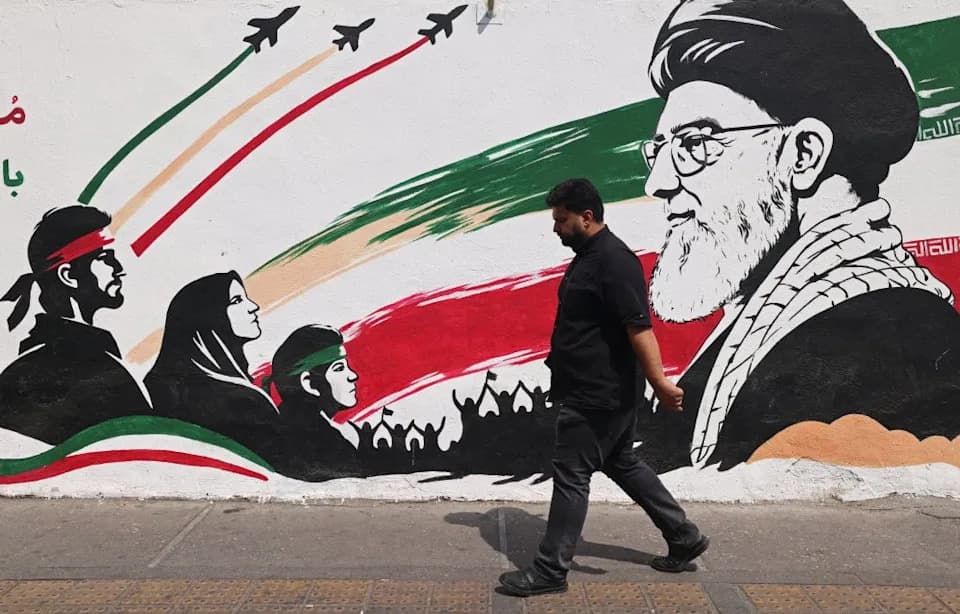
A man walks past a mural of Iran's slain Supreme Leader Ayatollah Ali Khamenei on August 31, 2026, on a street in downtown of Tehran, Iran.
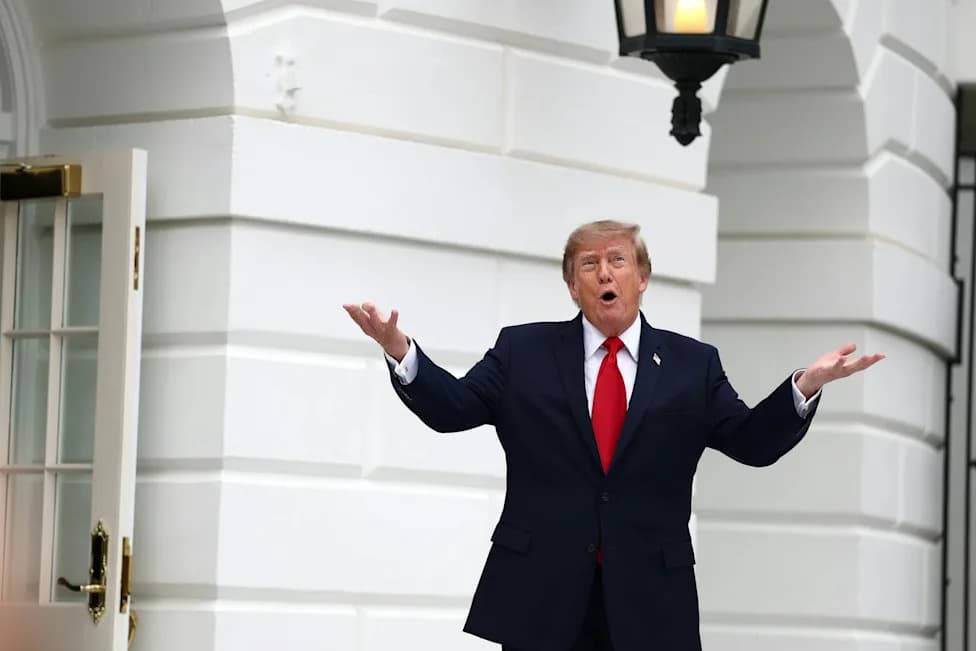
When the Trump administration launched Operation Epic Fury in late February, U.S. planners expected a swift, decisive campaign modeled on the previous summer’s Operation Midnight Hammer—strikes designed to blunt Iran’s nuclear program and degrade its strategic capabilities. Six months later, the outcome looks very different.
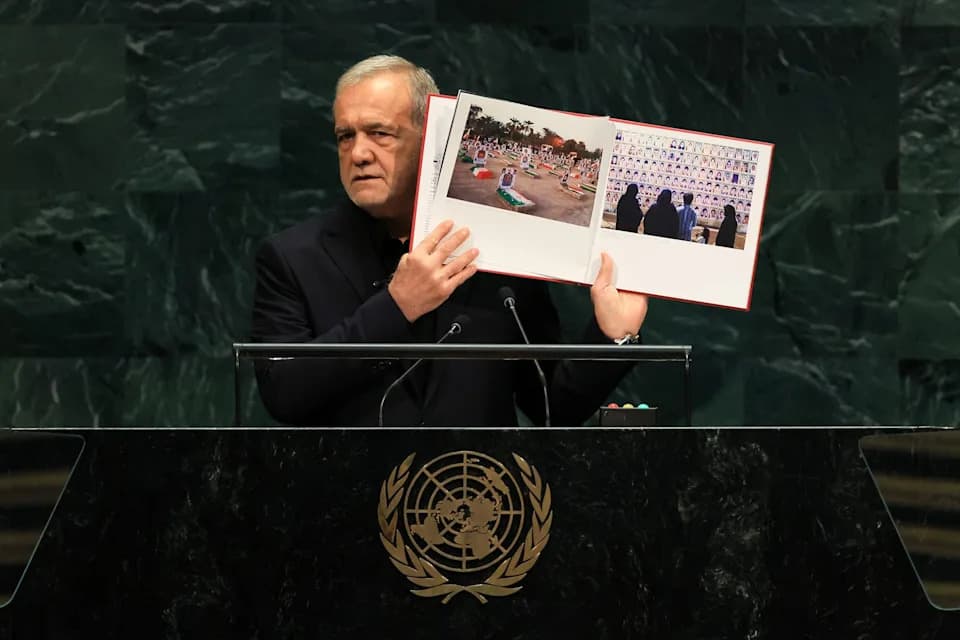
Despite sustained military pressure, Tehran has proven more resilient than many assumed. The Iranian government endures, has tightened domestic control in some areas, and retained a range of tools it can use to impose costs on its adversaries.
Most consequential has been Iran’s weaponization of the Strait of Hormuz. By threatening or intermittently disrupting traffic through this critical maritime choke point, Tehran has altered the dynamics of the confrontation and forced Washington to narrow its immediate focus to keeping energy and trade routes open.
As of this writing, it remains unclear whether Washington and Tehran can negotiate a durable accommodation over the Hormuz. It is even less clear that the United States will sustain the political focus, economic pressure and military posture required to change Iran’s long-term behavior.
Rethinking the Goal: From Decisive Outcomes to Enduring Competition
For years, debate in Washington revolved around decisive endpoints: a nuclear deal, a crippling strike, regime change or a new diplomatic bargain. What is now taking shape looks less like a single crisis that can be definitively resolved and more like a sustained strategic competition that must be managed over time.
America’s Cold War with the Soviet Union never became a direct, all-out war, yet it was a patient, multi-domain contest of influence, economics and ideas. That experience offers practical lessons for confronting Iran today.
Lessons From the Cold War—and How They Apply
The analogy is imperfect: Iran does not have the Soviet Union’s global reach, economic scale or military depth, and today’s international system is far less bipolar. Still, there are meaningful parallels. Iran is a securitized state whose legitimacy partly rests on confronting the West; it diverts resources to strategic ambitions at the expense of domestic prosperity; and it confronts deep internal contradictions.
During the Cold War, the United States pursued a comprehensive approach: containing expansion, denying access to sensitive technology, strengthening allies on adversaries’ peripheries, raising the costs of proxy aggression, and competing openly in the realm of ideas to break information monopolies. These instruments—applied selectively and patiently—helped shape Soviet calculations over decades.
A Practical, Two-Tier Strategy for Washington
Instead of chasing a single decisive remedy, Washington should:
- Near term: Sustain credible deterrence to prevent Iranian military adventurism and preserve freedom of navigation in the Persian Gulf, while avoiding an endless cycle of tactical escalation.
- Long term: Build a protracted competition strategy that narrows Iran’s military, economic and ideological room for maneuver—through coordinated sanctions and export controls, strengthened regional partnerships, support for resilient information flows inside Iran, and consistent diplomatic pressure.
That strategy requires patience, resources and political will. It also requires calibrating pressure so that it imposes sustained costs on Tehran without foreclosing avenues for diplomacy if a change in behavior or leadership creates an opening.
In short: Washington should stop treating Iran as a crisis to be solved all at once and start treating it as a strategic competitor to be managed across time and domains.
Ilan Berman is senior vice president of the American Foreign Policy Council in Washington, D.C. The views expressed here are the author’s own.
Help us improve.