The American Bar Association voted 10–6 to remove a decades-old diversity-and-inclusion requirement for accredited law schools, citing pressure from the Trump administration and concerns about maintaining federal accreditation. The rule, adopted in 1980 and updated in 2014, was suspended early in President Trump's second term and later rescinded after an executive order and Education Department letters challenged race-conscious policies post-2023 Supreme Court rulings. Critics say the move undermines efforts to address the legal profession's history of exclusion; the ABA says preserving accreditation recognition guided its decision.
ABA Eliminates Longstanding Law School Diversity Requirement After Pressure From Trump Administration
(Getty Images)
The American Bar Association has voted to remove a long-standing diversity-and-inclusion requirement for accredited law schools, a decision the organization said was driven largely by pressure from the Trump administration and concerns about preserving federal accreditation recognition.
The ABA's accreditation council voted 10–6 to strike the standard, which had required law programs to demonstrate commitments to a diverse faculty and student body. The rule was first adopted in 1980 and had been in its current form since 2014. The association suspended enforcement shortly after President Donald Trump's second term began.
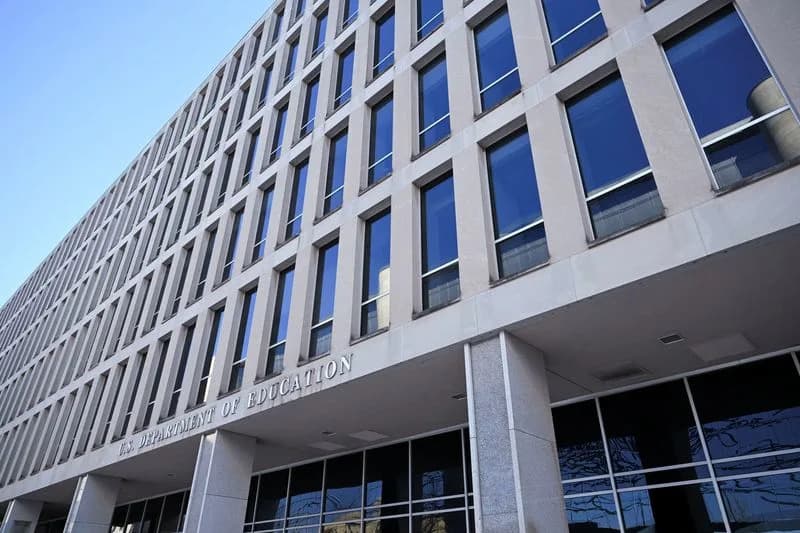
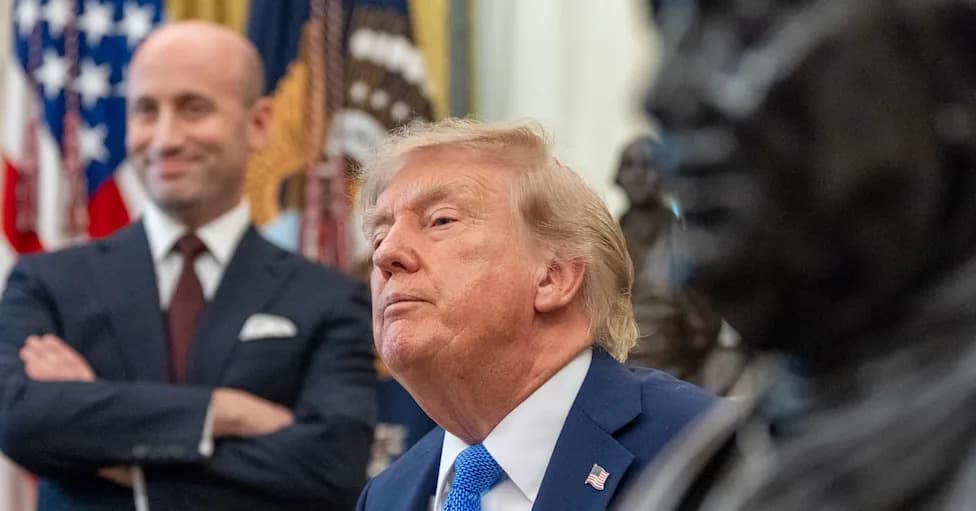
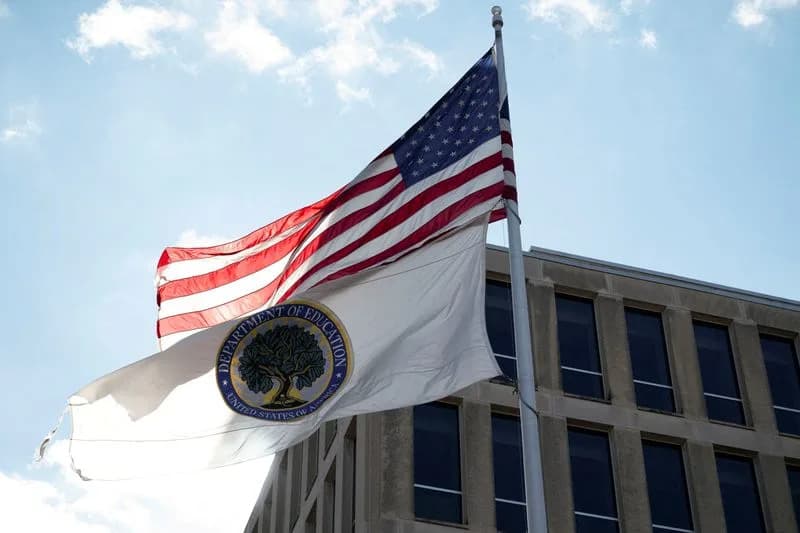
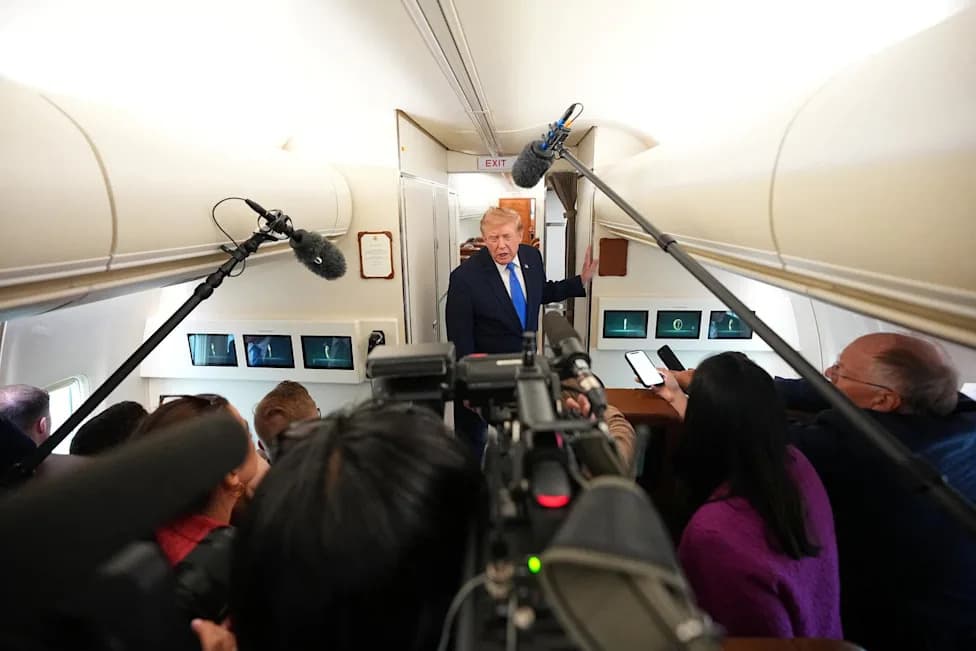
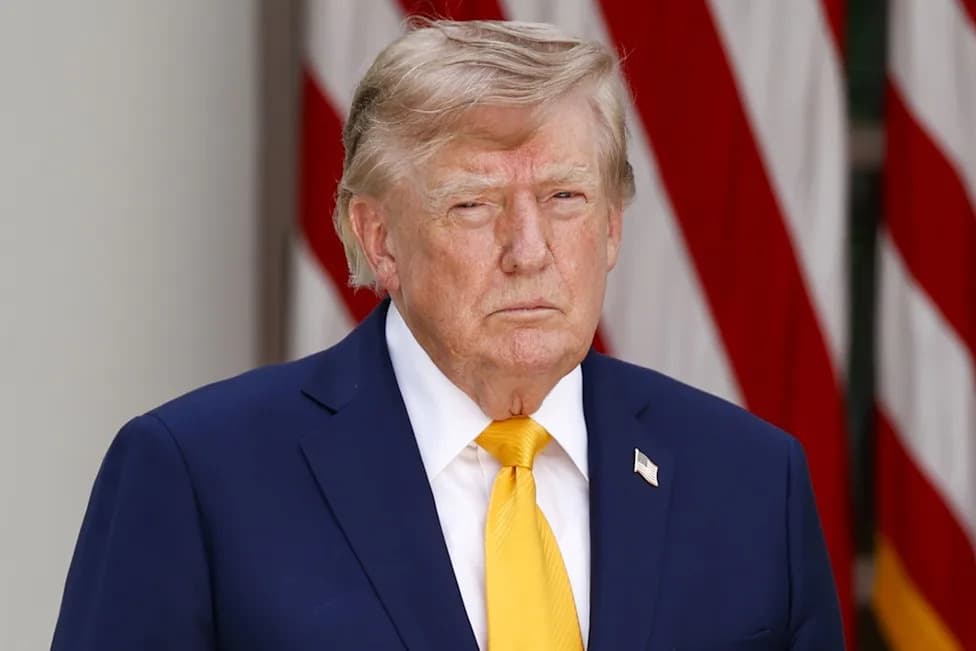
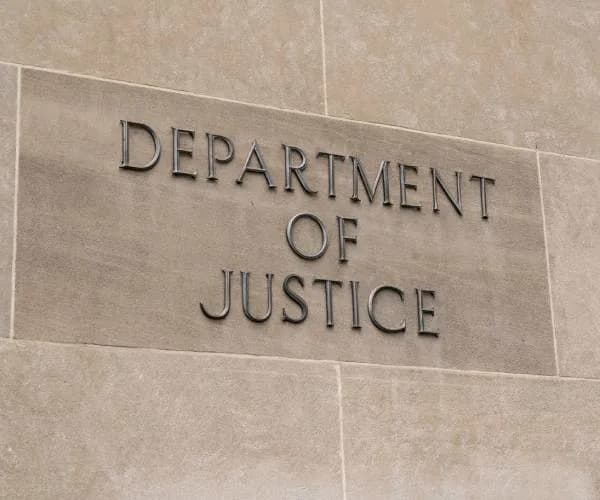
The move followed an executive order from President Trump that singled out the ABA's diversity standard and asserted it conflicted with a 2023 Supreme Court decision that invalidated certain race-conscious admissions policies. The Education Department also sent letters to accreditors instructing them to remove diversity mandates or risk losing federal recognition—pressure the ABA cited as a central factor in its decision-making.
"The council believes that national accreditation of law schools is in the best interests of law students, the legal profession and the public, and we can best serve in this role with continued recognition by state supreme courts and the Department of Education," said Melissa Hart, chair of the ABA's accreditation council.
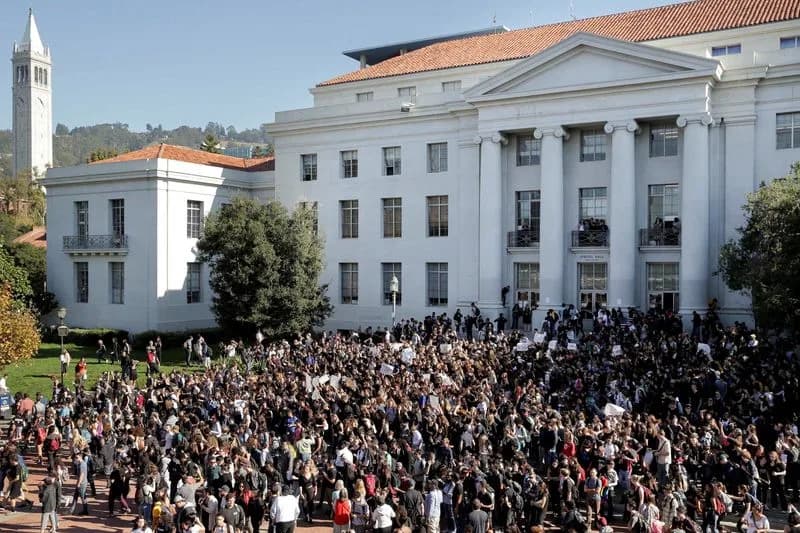
Critics said the decision weakens efforts to address the legal profession's long history of exclusion. Yale Law Professor Justin Driver told The New York Times that President Trump "has successfully bullied the legal profession in profound ways since returning to the Oval Office," and added, "I fervently wish that the ABA had stood up for its beliefs in this critical moment for the rule of law."
Supporters of the original standard argued it helped promote access and impartiality in the legal profession by encouraging law schools to recruit and support students and faculty from historically underrepresented groups. The ABA said protecting its role as the national accreditor for nearly 200 Juris Doctor programs was a primary consideration in the council's vote.
The decision is likely to prompt ongoing debate about the balance between federal accreditation rules, recent judicial limits on race-conscious admissions, and efforts to diversify the legal profession.
Help us improve.