Drone attacks by armed groups in Colombia rose 146% in Jan–May 2026 versus the same period in 2025, killing 21 and wounding 145, including children. Ombudsman Iris Marin warned the attacks spread fear, cause displacement and obstruct humanitarian access. Analysts say drones are used for both strikes and surveillance, while Human Rights Watch reports children are being trained and recruited online. The government has unveiled a $1.68bn anti-drone project as military operations with US support continue.
Drone Attacks Surge 146% in Colombia in Early 2026, Amnesty and Officials Warn of Civilian Harm
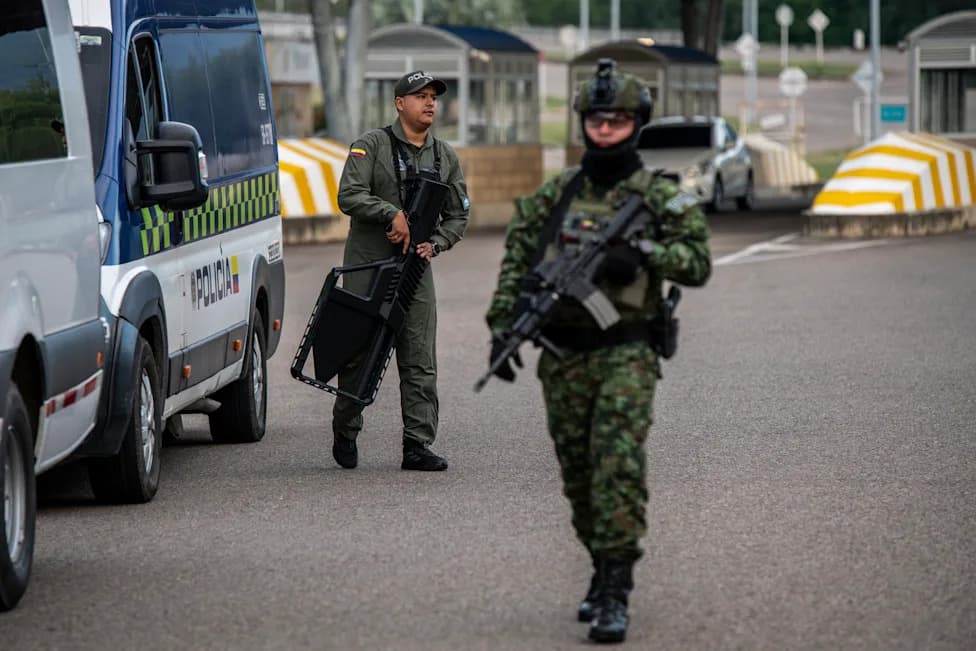
A Colombian police officer, left, holds a drone jammer [File: Jair F Coll/Getty Images]
Drone attacks by armed groups in Colombia surged 146% in the first five months of 2026 compared with the same period in 2025, the country's Ombudsman's Office reported. The strikes killed 21 people and wounded 145 others, including children, and civilians comprised nearly a third of the casualties.
Wider Humanitarian Impact
Ombudsman Iris Marin warned that the constant buzzing of explosive-laden drones spreads fear far beyond direct casualties, disrupting everyday life in conflict-affected communities. In some areas, the threat of overflights has triggered displacements, restricted movement, and made it harder for people to work fields, reach health centres, send children to school, or carry out basic activities.
Marin said the attacks have 'restricted access for humanitarian missions and hindered processes of return and permanence in the territories.'
How Drones Are Being Used
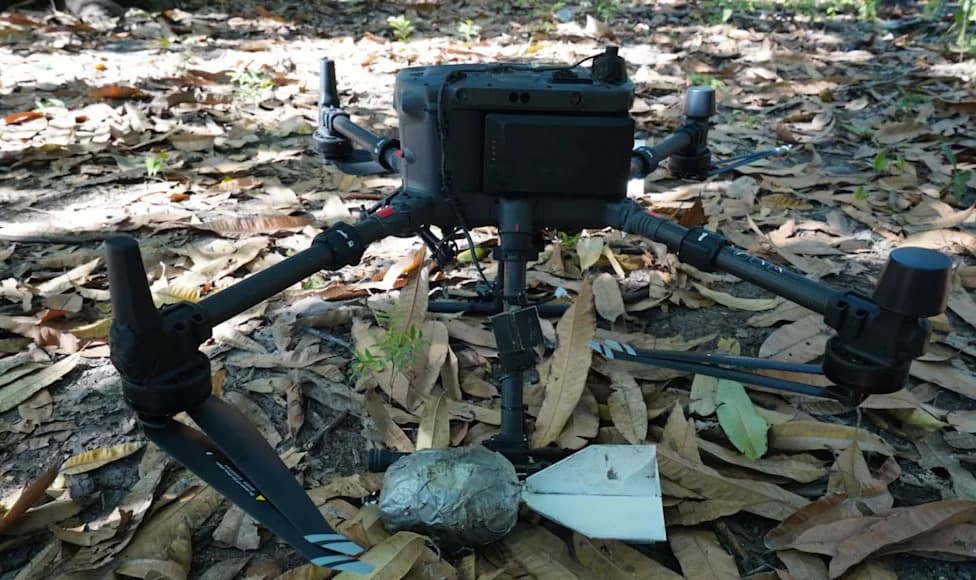
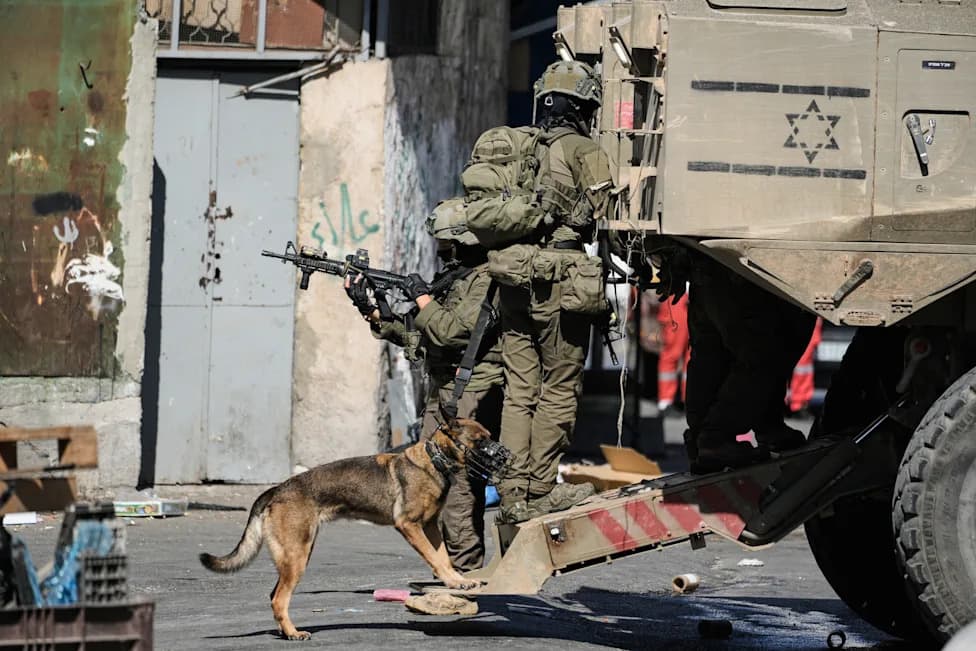
Analysts say armed groups deploy unmanned aerial vehicles primarily for two roles: conducting strikes and performing surveillance. They are used to attack rival factions and state forces, and to scout illegal coca plantations. Both government forces and irregular groups now operate drones, and there are reports of makeshift, lethal drones rigged with explosives.
A recent Human Rights Watch report raised alarm that children are being trained in drone warfare and that armed groups are recruiting youngsters via social media platforms such as Meta and TikTok.
Security Response
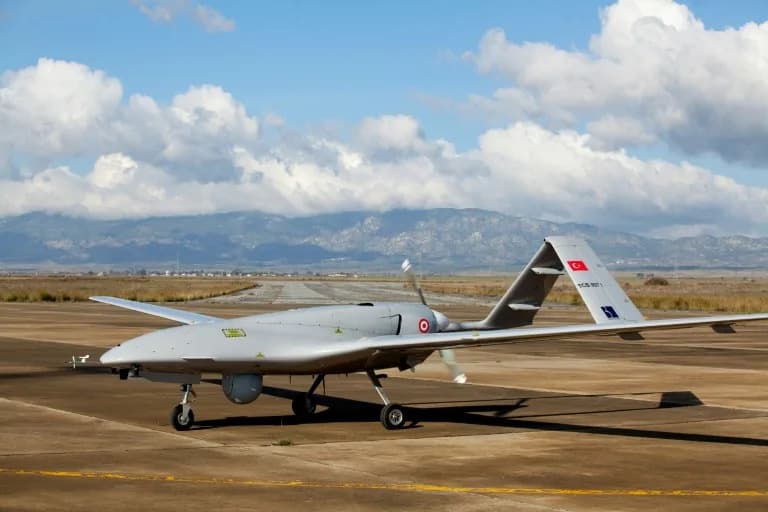
The geography of Colombia, with its rugged terrain and dense cover, makes detecting and neutralising small unmanned aircraft difficult. In January 2026 the Colombian government announced a $1.68bn plan to develop an anti-drone shield. At the same time, the administration of President Abelardo de la Espriella—based in Barranquilla and pursuing an offensive against armed groups with US support—has used US-made drones in operations. Colombian forces have also deployed grenade-launching drones in recent months.
Humanitarian Concerns
Humanitarian organisations and rights groups warn that the expanding use of drones risks escalating violence and further isolating vulnerable communities. Restrictions on mobility and humanitarian access, plus the recruitment of children, compound the immediate physical danger posed by explosive drones.
Authorities and aid groups say a multifaceted strategy is needed: technical measures to detect and neutralise drones, stronger protections for civilians, targeted action against child recruitment, and efforts to restore safe humanitarian corridors.
Help us improve.