NHTSA is under scrutiny for proposing delays to at least 18 vehicle-safety tests and for having more than 10 congressionally mandated rules overdue. Delays reportedly affect systems such as enhanced forward-collision warning, rear and pedestrian automatic emergency braking, and a passive impaired-driving "kill switch." NHTSA cites budget cuts, staffing constraints and a mounting workload for the backlog, while independent groups like IIHS and Consumer Reports continue testing to help drivers choose safer cars.
NHTSA Accused Of Moving Too Slowly As Crucial Vehicle Safety Tests Are Delayed
Getty Images
Automakers have long driven advances in vehicle safety—brands such as Volvo are frequently cited as leaders—but those innovations depend on timely, region-specific regulations. In the United States, the National Highway Traffic Safety Administration (NHTSA) is facing mounting criticism for proposing delays to dozens of safety tests and for falling behind on several congressionally mandated rules.
What’s Being Delayed
According to reporting from Automotive News, NHTSA has proposed postponing implementation dates for at least 18 separate safety tests. The affected items reportedly include enhanced forward-collision warning (FCW), rear automatic emergency braking (AEB), pedestrian AEB, and new rating systems for crash-avoidance technologies, vulnerable road-user safety, and overall vehicle safety scoring.

Toyota
The “Kill Switch” And Other High-Profile Rules
One high-profile mandate concerns advanced impaired-driving prevention systems—often described by critics as a "kill switch." These systems would passively detect driver impairment or elevated blood-alcohol levels and prevent or limit vehicle operation. A final rule was originally due in November 2024, but NHTSA has cited unresolved accuracy and reliability questions as grounds for delay; the enabling statute does permit extensions under certain conditions.
Political Pressure And Oversight
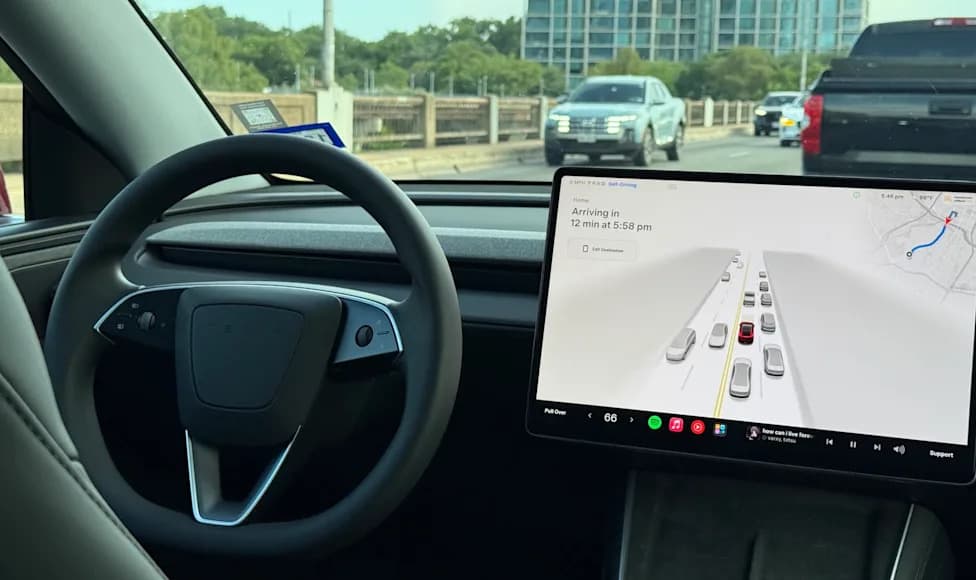
Earlier in the year, two U.S. senators requested that NHTSA examine Tesla’s Full Self-Driving safety statistics, calling the agency’s underlying analysis "weak and misleading." The senators asked for a response by July 7; NHTSA has not publicly replied and was not legally compelled to meet that deadline.
Getty Images
NHTSA’s Explanation: Resources And Backlog
NHTSA has defended its pace by pointing to budget constraints, payroll reductions and a growing workload that has produced a regulatory backlog. For example, Congress directed new tire-performance regulations in 2015; after an initial assessment in 2017, the agency said in 2024 that fleet changes required redoing the analysis—delaying the rulemaking further.
Other Groups Pushing Safety Forward
Independent organizations continue to advance road safety outside the federal rulemaking process. The Insurance Institute for Highway Safety (IIHS) conducts crash testing and evaluates technologies to guide consumers; based on recent IIHS testing of 2026 model-year vehicles, several Hyundai Motor Group models such as the Ioniq 5 and Tucson earned Top Safety Pick+ awards. Consumer Reports also provides independent testing, research and buying guidance that can help drivers choose safer vehicles today.
Why it matters: Critics say delays to safety tests and rules could allow preventable crashes to persist—even as NHTSA notes that the 2025 traffic fatality rate was the second-lowest on the agency’s record. With lives on the line, the pace of rulemaking and the agency’s capacity to deliver timely safety standards remain a focal point for lawmakers, safety advocates and the auto industry.
Reporting referenced: Automotive News and Autoblog (originally published Sep 5, 2026). This article summarizes publicly reported proposals and statements from NHTSA, lawmakers and independent safety organizations.
Help us improve.