Sam Forstag, a 32-year-old former smokejumper, has made economic strain and the erosion of neighborly empathy the centerpiece of his Democratic run in Montana’s First District. After federal workforce cuts affecting wildland firefighters, he left a stable federal job to run for Congress and won a major primary upset with support from progressives and some Republican endorsers. Forstag emphasizes affordability, healthcare and cross-partisan cooperation as ways to restore both material security and civic trust.
Smokejumper Sam Forstag Says Economic Strain Has Eroded Empathy — Now He’s Running For Congress
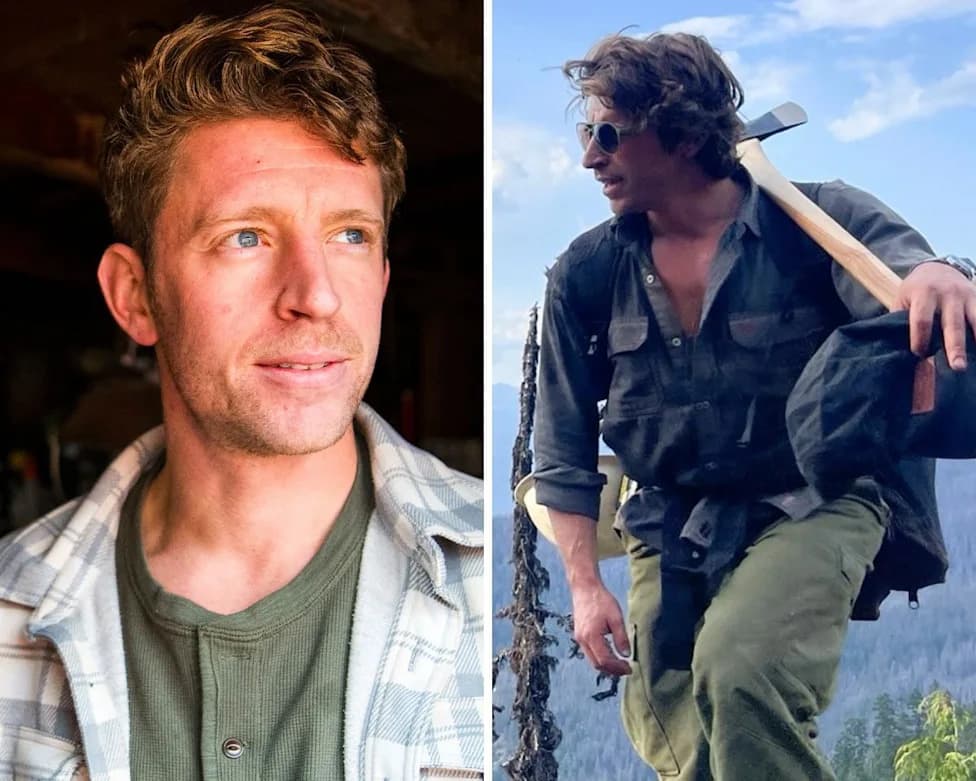
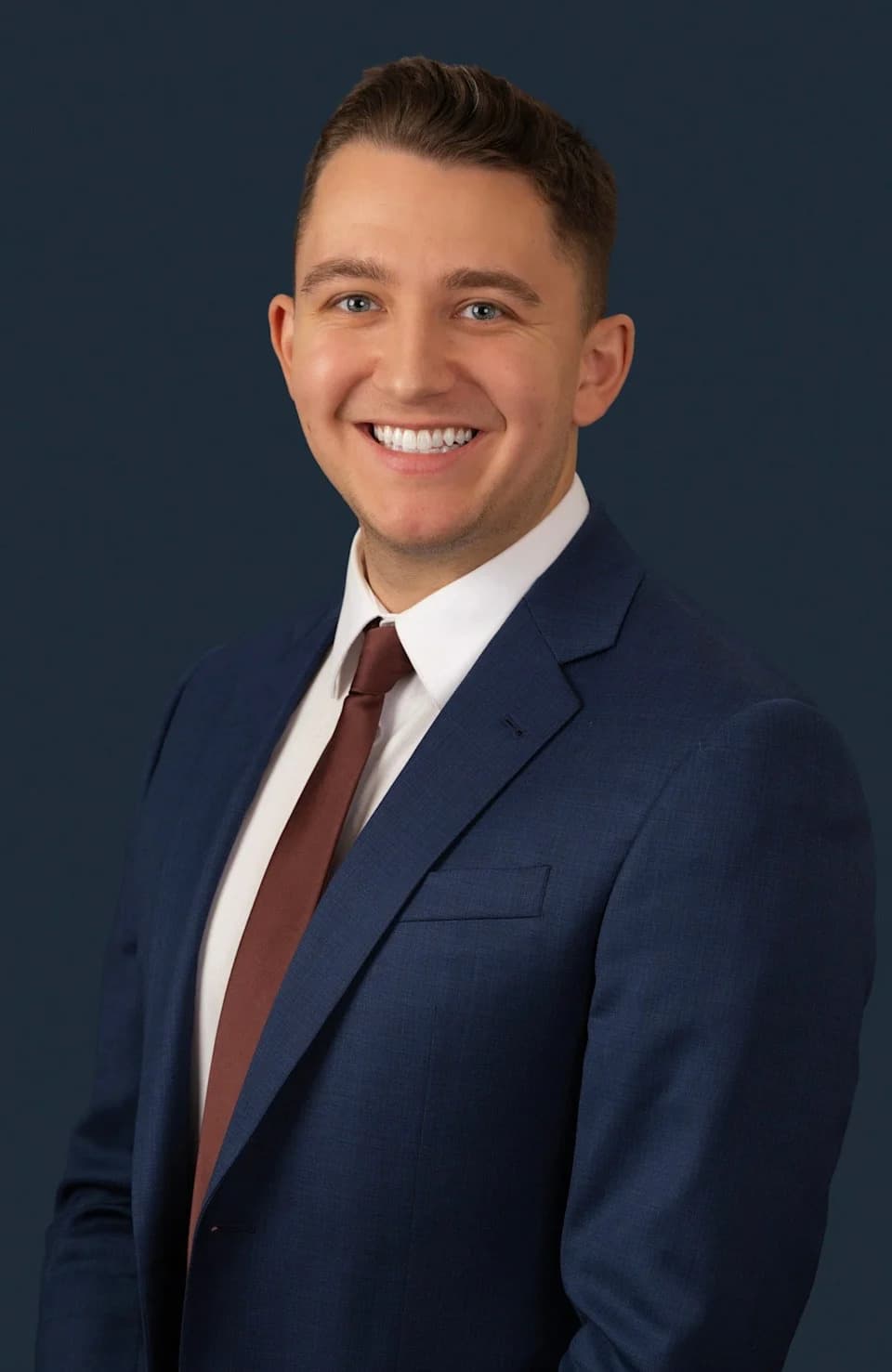
Sam Forstag now (left) and during his smokejumping days.Composite: Garrett Thompson, Sam for Montana
On a winter evening in 2013, just after five o'clock, then-college student Sam Forstag was driving through a snowstorm on his way to a third job: making sandwiches at the Subway inside a Walmart. Midway through the trip, the car ahead of him lost traction and slid nose-first into a ditch. Raised in close-knit communities in North Portland and later Montana, Forstag says he was taught to stop and help—yet he kept driving because he feared losing the job that paid his rent, car payment and groceries. The memory haunted him and later became central to his political message.
From Childhood, To Smokejumping, To Politics
Forstag, 32, grew up in a single-parent household; his mother worked overnight shifts as an intensive care nurse. He recalls worrying as a nine-year-old that she was working too much, but also remembering how quietly and routinely she cared for others after long shifts. That ethic of mutual help stayed with him.
By his 30s, Forstag found stability as a smokejumper—parachuting into remote wildfire zones to battle dangerous blazes. Over eight fire seasons, the job gave him the first reliable paycheck of his adult life, plus health insurance and retirement benefits. The crew he worked with felt like a community made up largely of working-class people who depended on federal employment for their livelihoods.
What Prompted His Run
Forstag says that after a 2025 administration pushed broad cuts to the federal workforce, many wildland firefighters and smokejumpers in Montana lost jobs and health coverage. He describes the experience as a betrayal by elected officials who publicly praised their service but did little when cuts hit their communities. Forstag specifically criticized then-incumbent Ryan Zinke for failing to help constituents affected by those cuts; The Guardian noted it could not independently verify Forstag’s exact claim that Zinke grew $20 million richer while in office, though it observed Zinke’s financial disclosures showed significant wealth accumulation and that he faced multiple federal investigations in prior years.
"There are a lot of people in this country who don't have the time," Forstag says. "It's much harder to extend the kind of compassion your neighbors deserve when you're working three jobs just to get by."
The Campaign
Unable to accept the status quo, Forstag left the stability of federal firefighting, discussed the risk with colleagues at the National Federation of Federal Employees (NFFE), and decided to run for Montana's First Congressional District. He transformed his modest 900-square-foot Missoula house into a campaign hub, attracting an unusually young volunteer base and winning early endorsements from progressive figures including Senator Bernie Sanders and Representative Alexandria Ocasio-Cortez.
Four months after entering the race, Forstag pulled off a major upset in the Democratic primary, defeating the party establishment’s preferred candidate by nearly five percentage points. His message—focused on affordability, healthcare, and restoring trust in representation—has resonated with young and working-class voters, while also drawing support from some moderate and Republican figures uncomfortable with national partisan politics.
Cross-Party Appeal And Tensions
Forstag has attracted endorsements from more than five current or former Republican legislators, as well as the Blue Dog Coalition, the House’s moderate Democratic caucus. Supporters cite his straight-talking style and willingness to work across party lines; critics worry high-profile progressive endorsements could push him too far left for a swing district.
Forstag has also criticized parts of the left for prioritizing cultural battles over material concerns. He says the political moment that produced heightened polarization is rooted in long-term economic strain that leaves people with less time, security and capacity to participate in civic life. He ties large military spending and foreign engagements to domestic hardships, arguing priorities must shift toward rebuilding everyday economic security.
How He Plans To Win
Montana’s First District spans liberal college towns and conservative rural counties, and Forstag acknowledges he must rebuild the coalition that helped elect Senator Jon Tester in 2024—libertarians, right-leaning Democrats and working-class Republicans. He frames his candidacy around common concerns: affordability, healthcare access and accountable representation.
Polling cited in the campaign shows strong pocketbook anxieties among Montanans: a late-April/early-May survey found 62% reported difficulty affording healthcare and 61% struggled with gas and transportation costs. National polls similarly show broad economic concern, which Forstag uses to argue that both parties have failed to address everyday material problems for many voters.
Closing Question
Forstag’s central question—and the one he brings to voters—is moral as well as political: what happens to a democracy when people are so consumed by survival they lack the time or capacity to care for one another? His campaign asks whether restoring economic security can also restore community empathy.
In November, Montana voters will decide whether his message resonates broadly enough to win a competitive seat.
Help us improve.