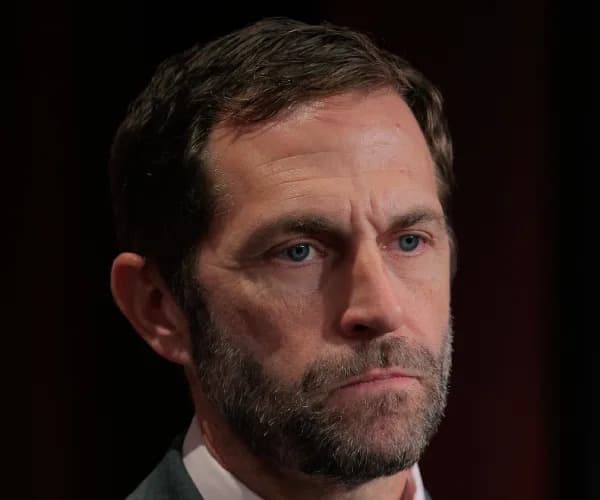
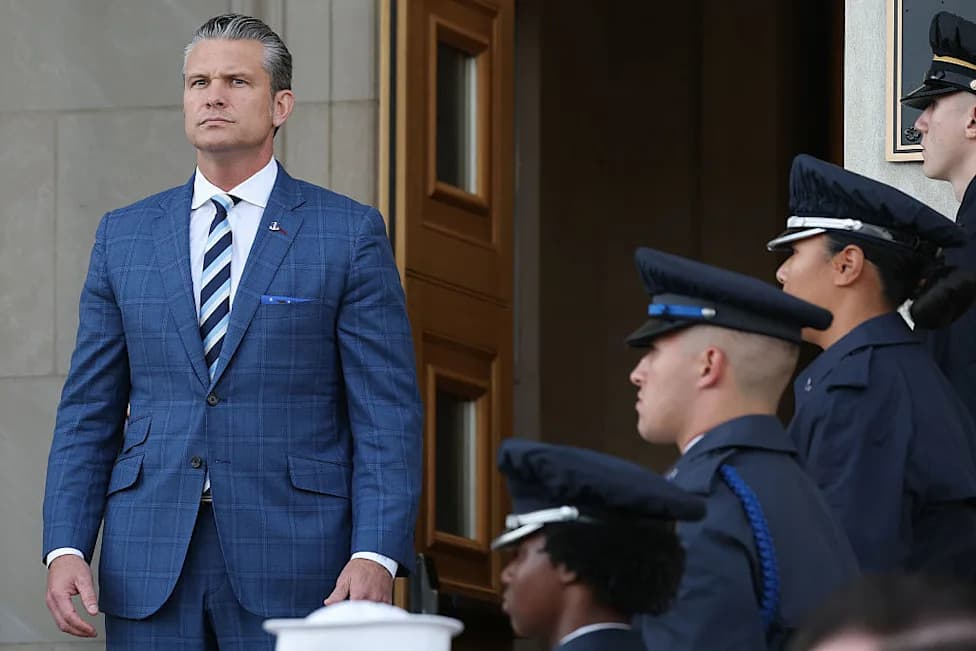
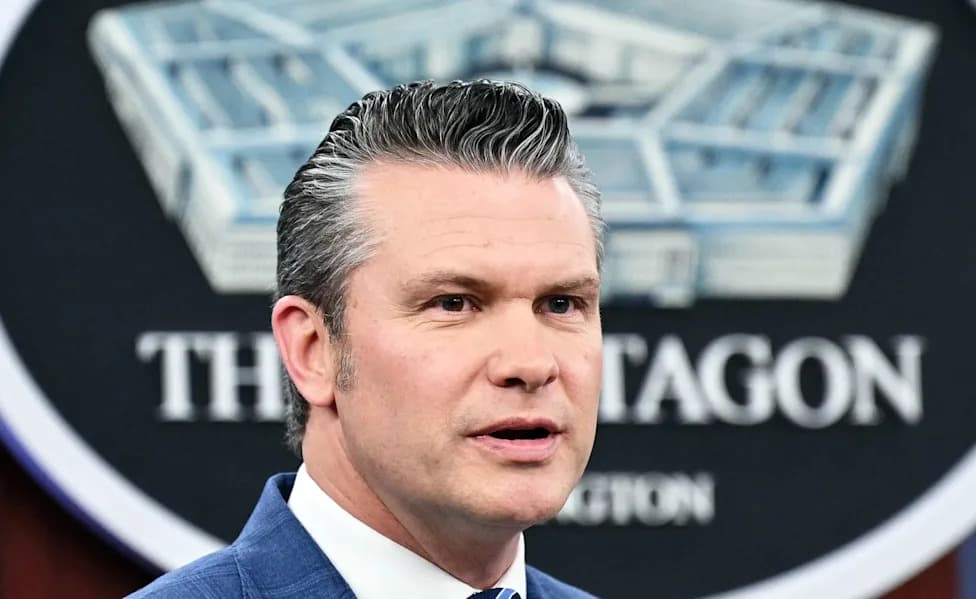
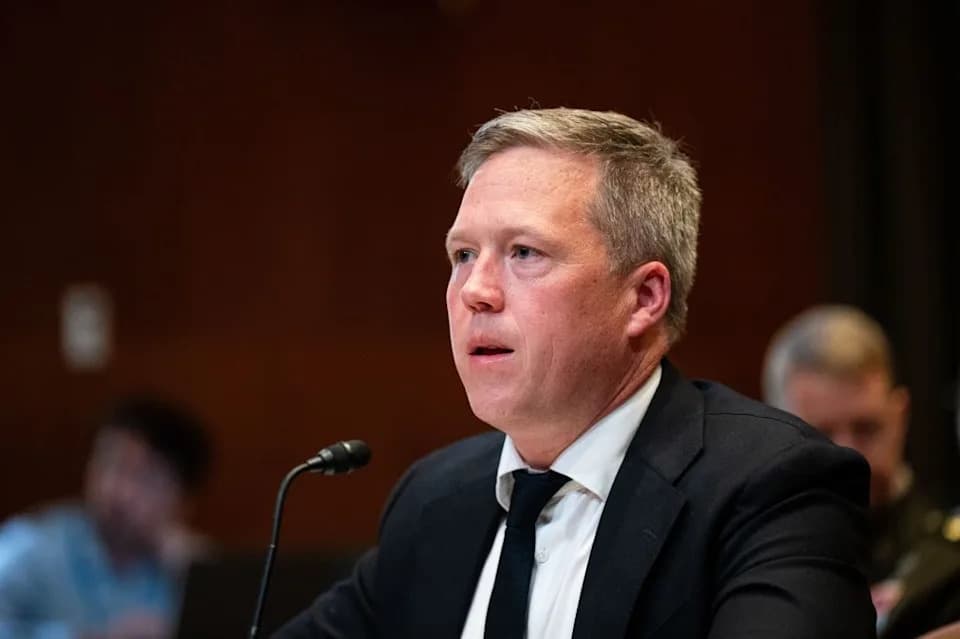
Rep. Jason Crow told Margaret Brennan he has not been briefed on reports that Secretary Pete Hegseth ordered polygraphs for several dozen senior military officers and warned that recent Pentagon personnel moves have created an atmosphere of fear. Crow said U.S. munitions stockpiles are depleted and criticized the administration for lacking a long-term strategy while advocating a reduced U.S. footprint in the Middle East. He also described bipartisan efforts to restore Special Immigrant Visas for Afghan allies and said Democrats will seek accountability—using impeachment if it proves to be the right tool.
Jason Crow on Pentagon Polygraphs, Purges and Munitions Shortages — "Accountability First"
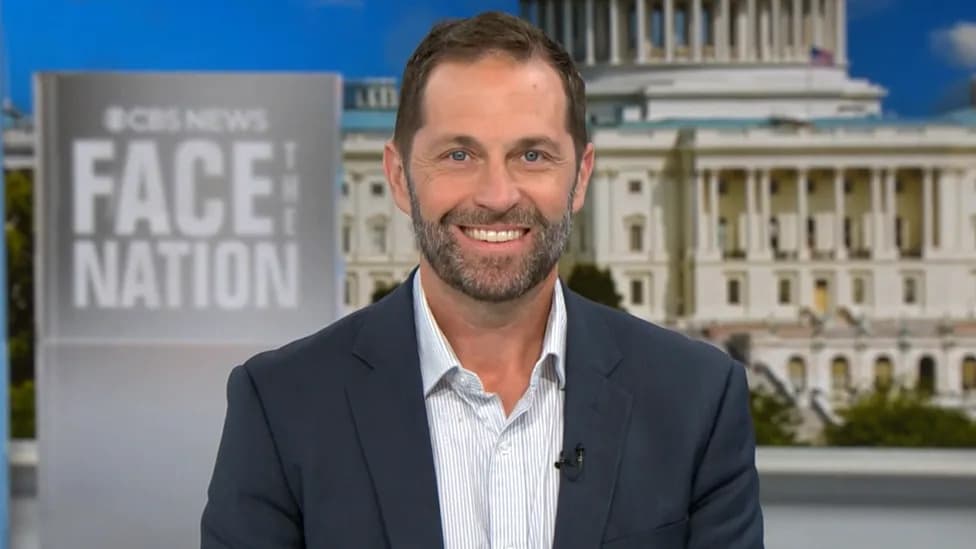
Transcript: Rep. Jason Crow on "Face the Nation with Margaret Brennan," Sept. 6, 2026
Representative Jason Crow (D-Colo.) spoke with Margaret Brennan on Face the Nation on Sept. 6, 2026, addressing reports that Secretary Pete Hegseth ordered polygraph tests for several dozen senior military officers amid a leak probe. Crow discussed the broader implications of Pentagon personnel moves, the state of U.S. munitions stockpiles, troop posture in the Middle East, and efforts to reunite Afghan allies with their families.
Polygraphs, Purges and Pentagon Transparency
Brennan opened by noting CBS reporting that polygraph exams were given to many of the most senior officers, including combatant commanders, as part of an investigation into disclosures about advanced weapons stockpiles. Crow said he has not been formally briefed despite serving on both the Armed Services and Intelligence committees, and stressed that while stopping leaks and protecting classified information is important, context matters.
Rep. Crow: "Stopping leaks and protecting classified information is really important. The problem is the broader context that Pete Hegseth has created here…He has purged over 80 generals and admirals…he's created an environment of fear."
Munitions Shortages and Strategy Concerns
Crow warned that munitions stockpiles have been depleted and criticized the administration for offering upbeat public messaging without a clear long-term strategy. He noted that precision munitions take time to replenish and said tactical discussions alone do not substitute for a coherent plan or an off-ramp to stabilize markets and costs for Americans.
U.S. Troop Posture in the Middle East
Discussing the roughly 50,000 U.S. service members long stationed in the region, Crow said the United States should reduce its footprint and move away from "endless conflict." He clarified he was not necessarily advocating the closure of specific bases such as the Fifth Fleet headquarters in Bahrain, but argued the overall presence is historically high and costly.
Rep. Crow: "We can move that number down. We can save money for taxpayers. We can be stronger. We can be more nimble…We have been at war in the region for 25 years now—since 9/11."
Afghan Allies and the Special Immigrant Visa Push
Brennan highlighted the case of General Alizai, an Afghan commander granted asylum who still faces travel and family reunification restrictions. Crow described bipartisan efforts to restore the Special Immigrant Visa (SIV) program to its pre-2017 capacity, pursue Temporary Protected Status where appropriate, and force congressional votes to fulfill moral and national security obligations to local partners who worked with U.S. forces.
Politics, Accountability and Possible Impeachment
On the political front, Crow — a battleground co-chair for the Democratic Congressional Campaign Committee — said Democrats will "hold [Republicans] accountable" at the Dallas gathering by challenging their claims about the economy and policy successes. Asked about impeachment, Crow called it one of many tools of accountability, noting his experience in the first impeachment trial and emphasizing results over process.
Rep. Crow: "Impeachment is one tool of many…I'm less concerned about the specific tools…and I won't hesitate to use that tool if we need to. But what we have to do is look at what's available and what's going to deliver results for accountability."
Throughout the interview Crow framed his arguments around transparency, fiscal responsibility, and the promise to pursue corruption and misallocated public funds that he said harm constituents’ lives.
Help us improve.