The Pentagon's top policy official, Elbridge Colby, faced bipartisan criticism after a classified briefing in which senators said he failed to provide the expected update on the National Defense Strategy. Lawmakers raised concerns about potential conflict with Iran, a reported munitions deficit that could take years to fix, and discussions about National Guard use at polling places. While several senators said they left with more questions than answers, a few attendees praised the session as substantive.
Bipartisan Frustration After Pentagon Briefing: Senators Say Colby Failed To Deliver Expected Defense Strategy Update
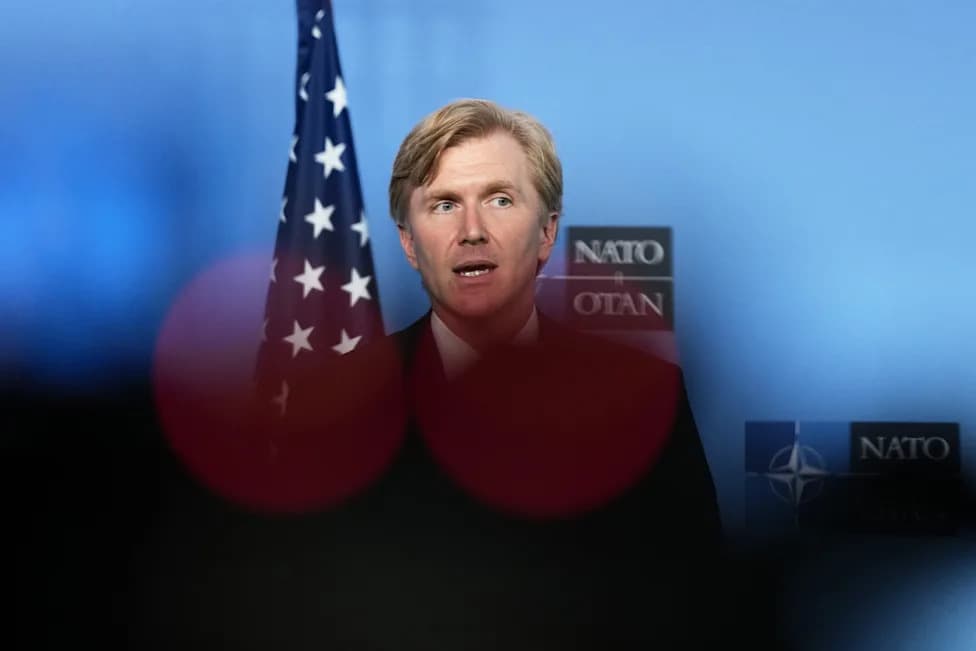
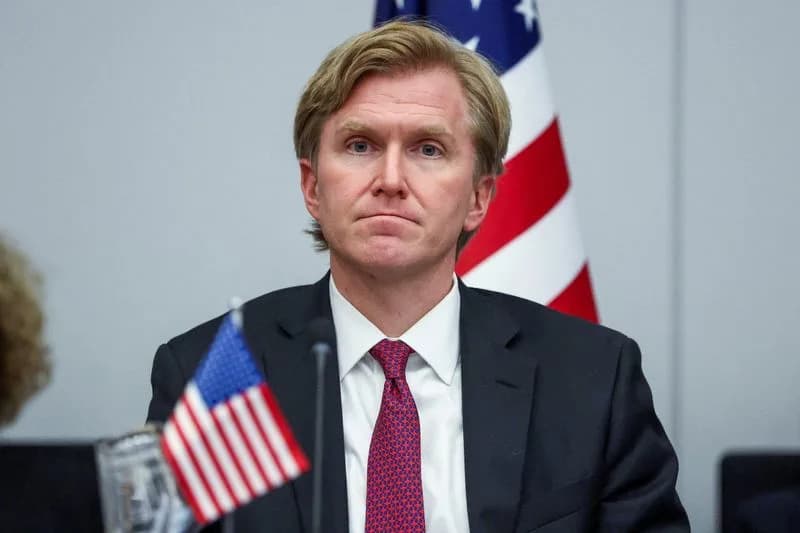
United States Undersecretary of Defense Elbridge Colby addresses the media at NATO headquarters in Brussels, Thursday, Aug. 27, 2026. (AP Photo/Virginia Mayo)
WASHINGTON — Tensions between Capitol Hill and the Defense Department intensified after a classified briefing in which Defense Undersecretary Elbridge Colby did not deliver the expected update on the administration’s National Defense Strategy, several senators said.
Lawmakers Say Briefing Fell Short
Lawmakers from both parties described Thursday’s session as unsatisfying, saying Colby provided limited detail on key concerns ranging from the prospect of conflict with Iran to reported shortages of certain munitions. Several senators said they left the classified meeting with more questions than answers.
"He was not forthcoming," said Sen. Jacky Rosen, a Nevada Democrat on the Senate Armed Services Committee. "He did not really address our concerns or issues."
Sen. Kevin Cramer, a North Dakota Republican on the committee, called the briefing "just sort of dodge and punt," noting it was "very peculiar to have somebody come in for a congressionally mandated update and not have a statement."
What Was Expected
Colby was expected to provide a congressionally required classified briefing on implementation of the National Defense Strategy — a comprehensive document that guides military priorities and strategy. Under the annual National Defense Authorization Act, that briefing was to be delivered to the Senate Armed Services Committee no later than Sept. 15.
Substantive Concerns Raised
Sen. Mark Kelly, a Democrat from Arizona, said he pressed Colby on whether the strategy contemplates a war with Iran and on decisions that have contributed to a "munitions deficit." Independent experts, cited by lawmakers, estimate it could take roughly three years for defense contractors to rebuild inventories of some advanced munitions such as missile interceptors.
At one point, senators asked directly whether Colby had discussed deploying the National Guard to polling places on Election Day. Colby said he had heard about such discussions but that he was not leading them. "Never once said 'yes' or 'no,'" Cramer later summarized.
Divergent Reactions
Not all attendees condemned the briefing. Sen. Jim Banks, a Republican from Indiana, described it as "constructive, substantive" and said it "answered all my questions." Sen. Roger Wicker, the Mississippi Republican who chairs the Senate Armed Services Committee, declined to discuss the classified session when asked.
The exchange underscores continuing friction over the flow of information from the Pentagon to Congress and highlights lawmakers' concerns about readiness, strategic clarity and civil-military roles as the midterm elections approach.
Help us improve.