People often misreport diets, so researchers are turning to sewage to measure community food intake objectively. A 2026 PNAS paper from Duke introduced FoodSeq-FLOW, which sequenced plant and animal DNA from 183 wastewater samples across 21 North Carolina treatment plants, identifying 184 plant and 116 animal foods at under $0.01 per person. The method tracks seasonal and social patterns and complements chemical biomarker analysis, offering powerful public-health uses but raising privacy and governance concerns. Strong safeguards are needed to keep the approach population-level and prevent misuse.
Food DNA in Sewage: How Wastewater Can Map What Cities Eat — And What That Reveals

Food DNA in Sewage: The New Science of Wastewater Nutrition
Nutrition research has long struggled with a basic problem: people often misreport what they eat, usually unintentionally. Surveys nudge answers toward what respondents think they should say. Sewage has no such filter.
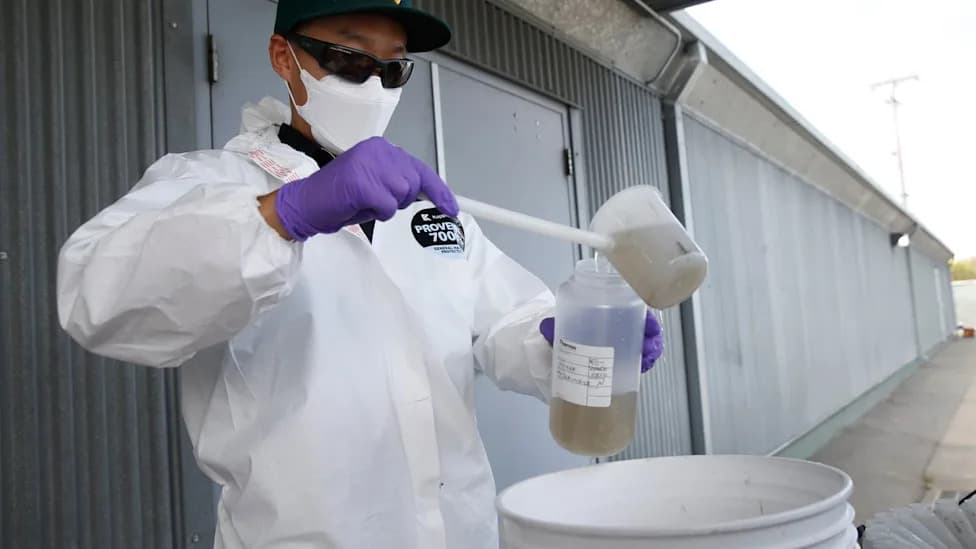
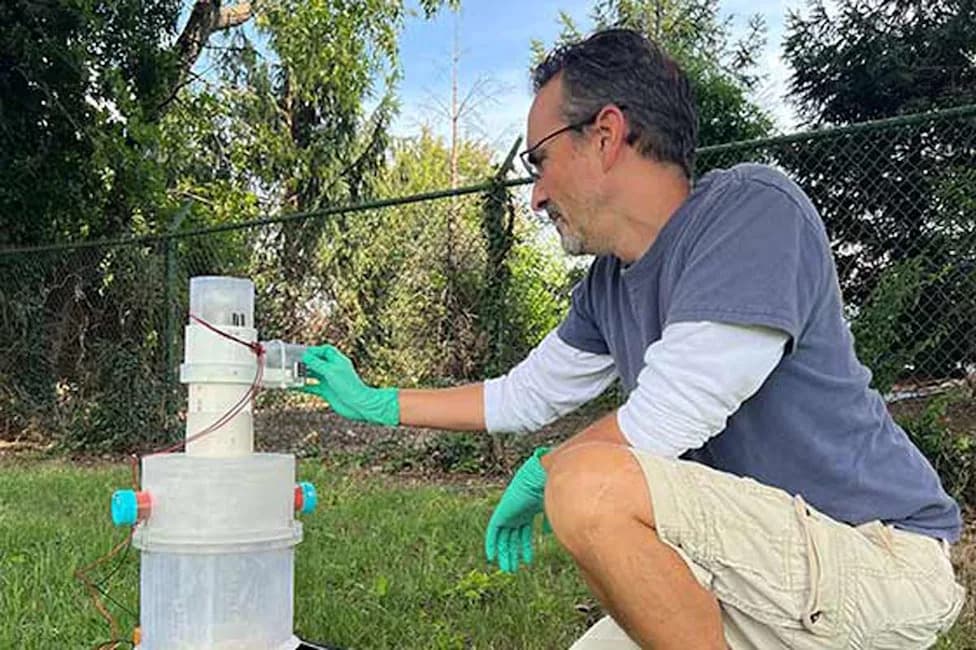
In 2026 a team at Duke University published a paper in the Proceedings of the National Academy of Sciences describing FoodSeq-FLOW, a platform that sequences food-derived DNA — plant chloroplast and animal mitochondrial fragments — recovered from municipal wastewater. Across 183 samples taken from 21 treatment plants in North Carolina serving about 2.1 million people, the researchers identified 184 distinct plant foods and 116 animal foods at a reported cost of under one cent per person.
What the Study Found
The wastewater diet profiles were specific and verifiable. They matched dietary information collected from individuals, tracked seasonal shifts as regional produce came in and out of availability, and revealed clear social signals: higher income and education levels registered in the sewage fingerprint; ingredients linked to beer consumption correlated with discretionary spending; tropical fruits and pulses tracked with the size of the foreign-born population; and local seafood appeared more often near the coast. In short, a city’s plate can be read in its pipes.
How It Fits Into Wastewater-Based Epidemiology
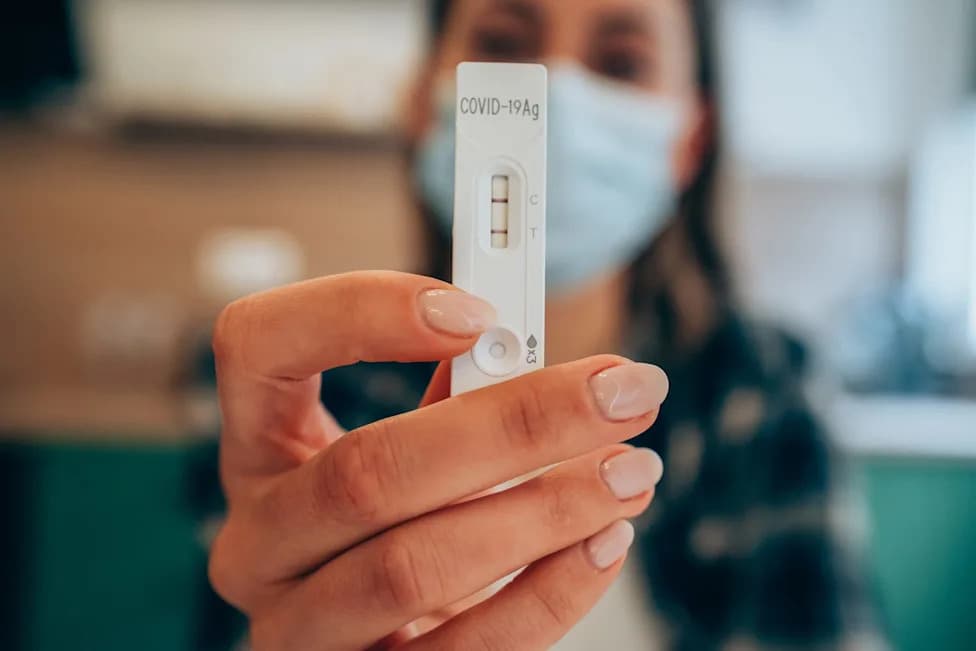
This work builds on wastewater-based epidemiology, the same field that mapped community drug use and gained broad attention during the COVID-19 pandemic when sewage monitoring tracked viral spread. One established method uses mass spectrometry to detect chemical biomarkers — metabolic traces that indicate intake of fiber, citrus, whole grains and similar categories. The FoodSeq-FLOW approach sequences surviving fragments of food DNA; together, chemical and genetic methods can turn a sewage sample into a detailed dietary readout.
Public Health Potential
Public-health agencies find this appealing because wastewater sampling captures near-complete populations cheaply and objectively, and can deliver near-real-time data without surveys. Potential uses include identifying food deserts, evaluating whether nutritional campaigns change consumption, monitoring shifts in population-level diet quality, and highlighting geographic inequities tied to income, education and immigration patterns.
Privacy, Ethics, and Governance
But the method’s sensitivity also raises concerns. The same techniques that reveal neighborhood-level vegetable consumption can expose drug use, disease trends, and demographic proxies. While researchers emphasize current methods produce population-level signals rather than individual profiles, consent is absent, and there is potential to stigmatize neighborhoods or enable discriminatory actions if data are misused.
Wastewater is a mirror held up to a city; the important questions are who is allowed to look and how they will use the reflection.
Strong safeguards, transparency, clear governance, and legal protections are needed to ensure these data serve public-health goals without enabling surveillance or harm. This reporting summarizes current scientific research and is intended for educational purposes.
Originally published in Men's Fitness (Aug 18, 2026). The reporting reflects peer-reviewed research and public-health commentary.
Help us improve.