Rutgers scientists developed a 3D‑printed funnel to collect Culex mosquito excrement and screen it for viral genetic material. Samples taken in New Brunswick, N.J. (Sept. 12, 2021–Sept. 21, 2022) produced a complete West Nile virus genome and genetic evidence of Hedwig‑like viruses previously reported in snowy owls. The team also detected other parasites and is collaborating with state wildlife officials to investigate infected birds while pursuing a continuous, remote monitoring device for early detection of emerging threats.
Scientists Use 3D‑Printed 'Mosquito Toilet' to Find New Viruses, Including a Full West Nile Genome
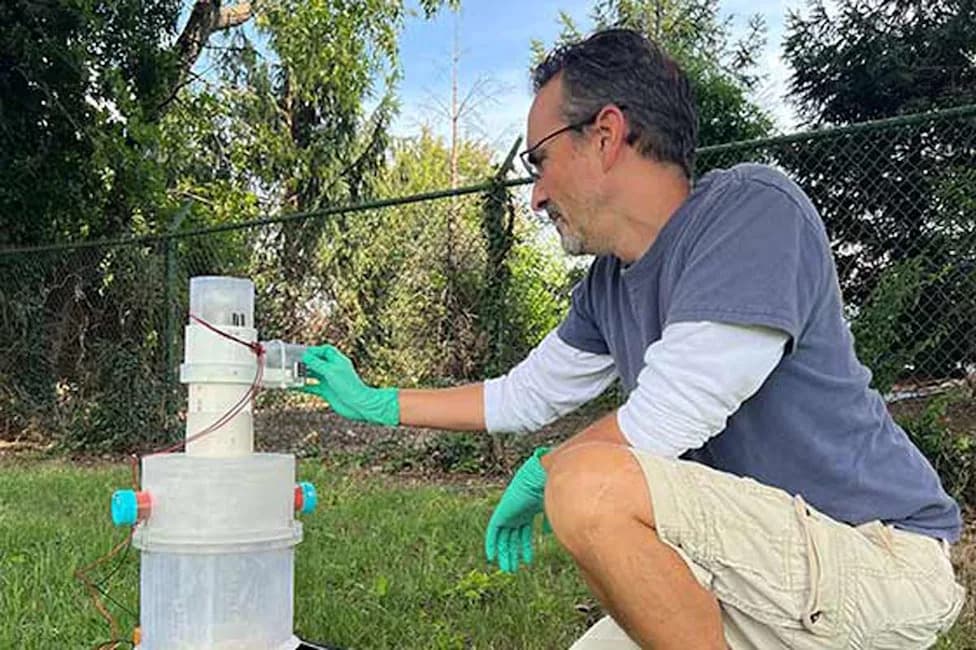
Dana Price with the 'mosquito toilet'Credit: Dana Price
Researchers at Rutgers University created a 3D‑printed funnel—nicknamed a 'mosquito toilet'—to collect mosquito excrement and scan it for viral genetic material, adapting wastewater surveillance approaches to insect vectors.
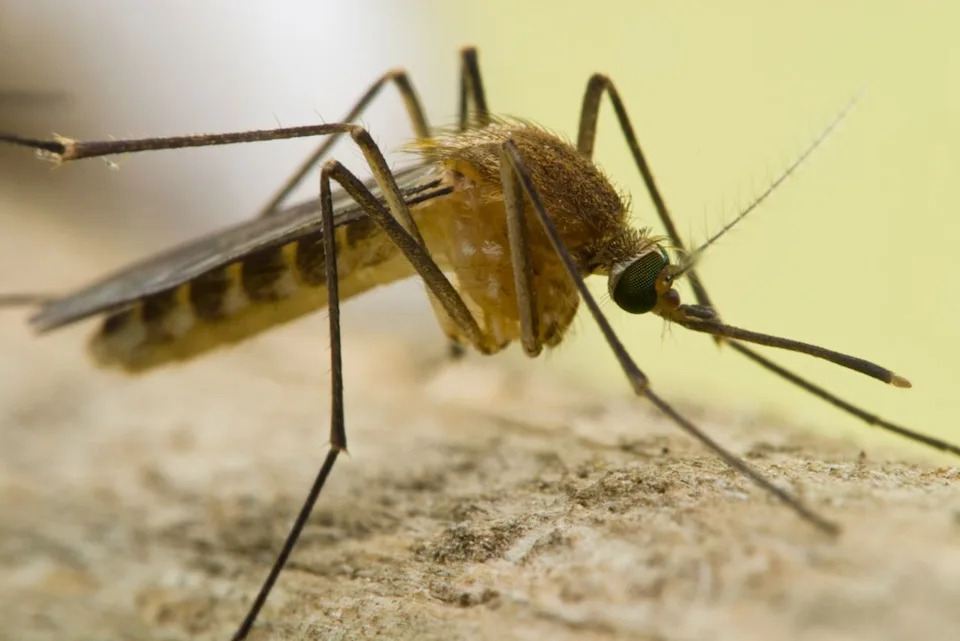
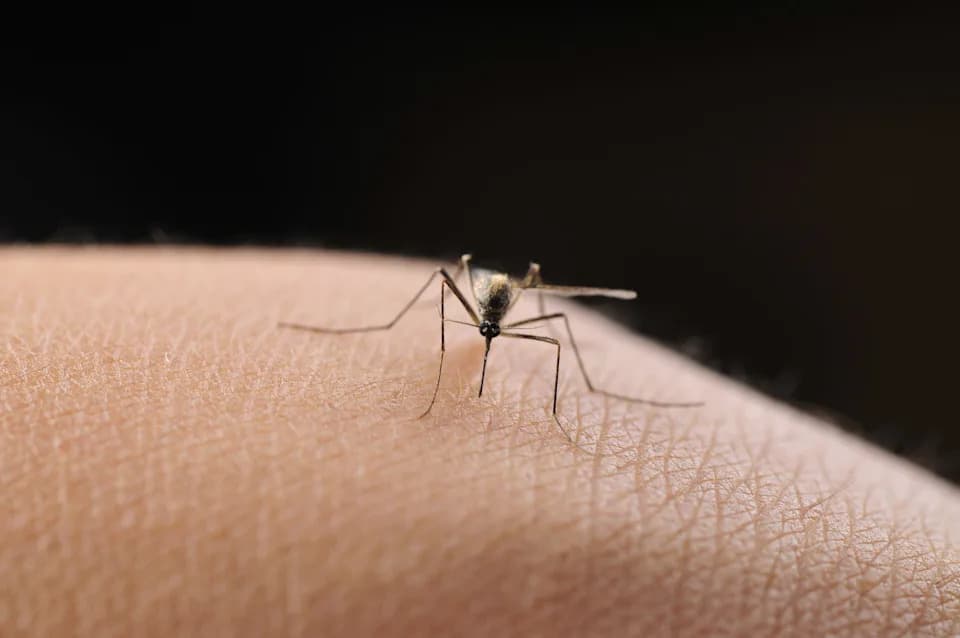
Stock image of the Culex mosquito, which can transmit viruses to humansCredit: Getty
Study and Device
Led by entomologist Dana Price, an associate professor at the Center for Vector Biology in Rutgers' Department of Entomology, the team placed the device to capture droppings from Culex mosquitoes in a New Brunswick, New Jersey yard. Samples were collected between Sept. 12, 2021 and Sept. 21, 2022. Results from their untargeted genomic screening were published in the journal Microbiology Spectrum.
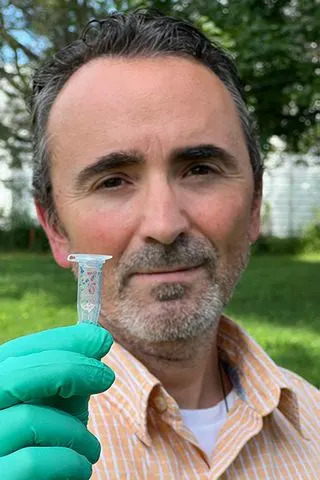
Dana Price holds a tube containing mosquito wasteCredit: Dana Price
Key Findings
The researchers recovered an entire viral genome of West Nile virus from the mosquito waste and detected genetic evidence of several other organisms. Notably, they found sequences matching 'Hedwig‑like' viruses, a group first reported in snowy owls in Europe. In addition to viral material, the team also identified genetic traces of other parasites.
'What we did, colloquially, was build a mosquito toilet,' Price said. 'We didn't even look for it specifically. We just looked for everything, and we found Hedwig in there.'
Implications and Next Steps
Price and colleagues are now working with the New Jersey Department of Environmental Protection's Division of Fish and Wildlife to examine recently deceased birds for the Hedwig‑like virus and better understand its host range. The long‑term goal is to refine the funnel into a field‑ready, continuous monitoring device that could sample mosquito excrement and send early warnings about novel or emerging vector‑borne threats.
By applying broad, untargeted genomic screening to mosquito waste, the approach can reveal unexpected pathogens and parasites that targeted tests might miss. The researchers emphasize that the method complements existing surveillance systems and could improve early detection of emerging health risks.
Help us improve.