Researchers at the University of Maryland developed a clip-on smart underwear device that uses electrochemical sensors to detect hydrogen emissions from flatulence as a proxy for gut fermentation. A 60-person study published in Biosensors and Bioelectronics: X found healthy adults averaged about 32 flatulence events per day, with large individual variation. The Human Flatus Atlas will expand to hundreds to establish normal baselines and explore applications for identifying food intolerances and tailoring digestive-health advice.
Smart Underwear Tracks Farts, Unlocking New Insights Into Gut Health
Researchers at the University of Maryland have developed a clip-on wearable system, dubbed smart underwear, that monitors human flatulence as an indirect measure of gut microbiome activity.
How It Works
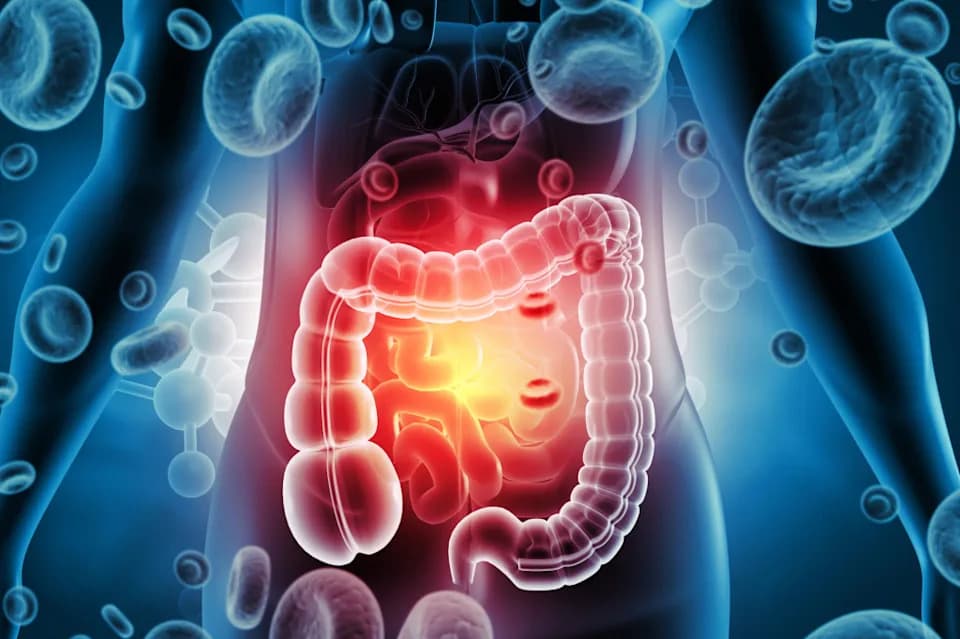
The lightweight clip attaches to ordinary underwear and uses electrochemical sensors to detect hydrogen emissions from flatulence. Because hydrogen is a common byproduct of microbial fermentation in the gut, tracking its release provides a non-invasive way to estimate how actively gut microbes are breaking down food.

"Smart underwear" is a device that uses electrochemical sensors to track hydrogen release.
Study Findings
In a study published in the journal Biosensors and Bioelectronics: X, 60 adults wore the device while going about their daily lives. Researchers found that healthy participants averaged about 32 episodes of flatulence per day, roughly twice earlier estimates. Individual results varied widely; one participant reportedly produced gas 59 times in a single day.
The Human Flatus Atlas
The research team is expanding the project into the Human Flatus Atlas, a larger study that will enroll hundreds of participants to establish clearer baselines for normal gas production. So far, the project groups people into three categories: normal people with typical gas patterns; zen digesters who produce very little gas despite fiber-rich diets; and hydrogen hyperproducers who emit gas more than 40 times per day.
Potential Applications and Caveats
Investigators say the technology could help detect food intolerances, monitor responses to dietary changes or treatments, and enable large-scale research into digestive health using objective, continuous data. However, hydrogen measurements are a proxy for fermentation and do not capture all aspects of gut physiology. Privacy, social stigma, and the need for further validation and larger, diverse cohorts are important considerations before clinical use.
Bottom line: Smart underwear offers a novel, non-invasive way to study gut fermentation and personalize digestive-health recommendations, but more research is needed to confirm its clinical utility.
Help us improve.