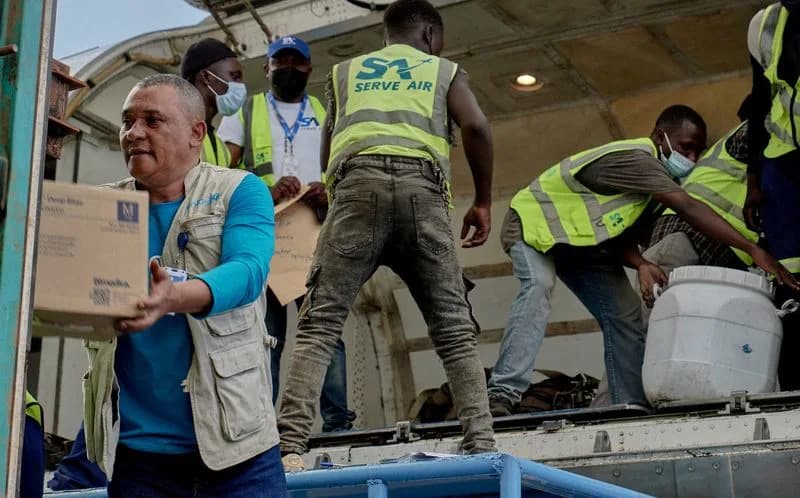
The UKHSA is expanding wastewater surveillance through the Prism programme to screen England’s sewers, hospital effluent and transport-hub waste for Ebola and other high-risk pathogens. The two-year rollout will broaden testing beyond single pathogens to spot imported threats, track variants and monitor drug‑resistant organisms. Early trials already distinguished norovirus strains using AI, and the system builds on past successes such as the 2022 polio sewage detection in London.
UK Expands Sewage Surveillance to Detect Ebola and Other High-Risk Pathogens
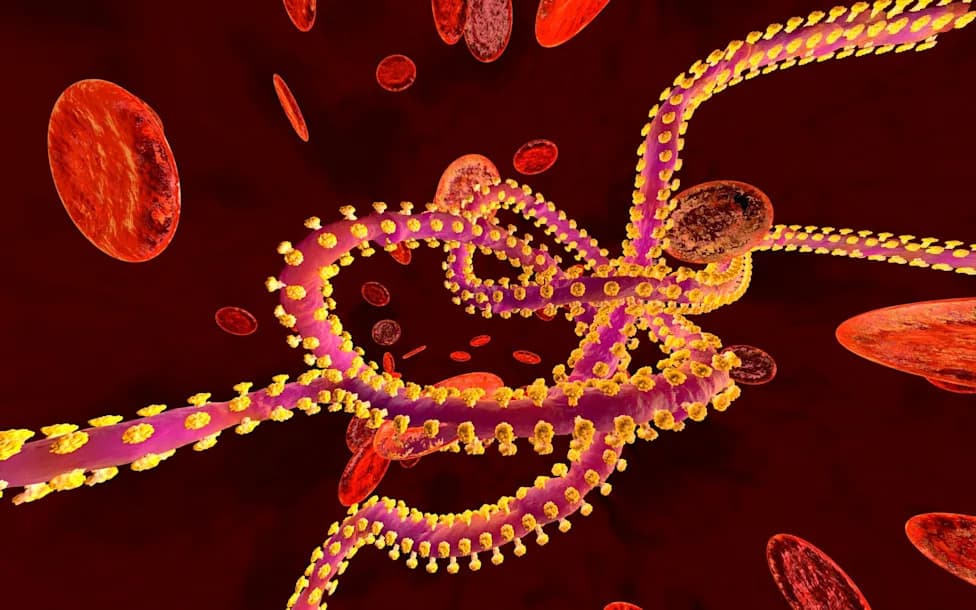
England's sewers are to be monitored for signs of the Ebola virus
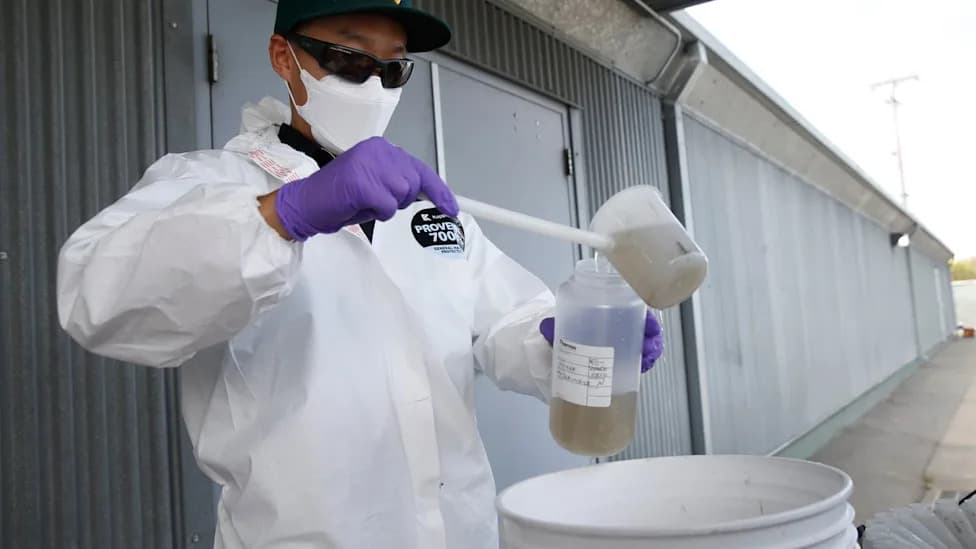
Public health scientists in England are expanding wastewater surveillance to screen sewers, hospital effluent and waste from busy transport hubs for Ebola and other high-risk pathogens as part of a major upgrade to the UK’s detection capabilities.
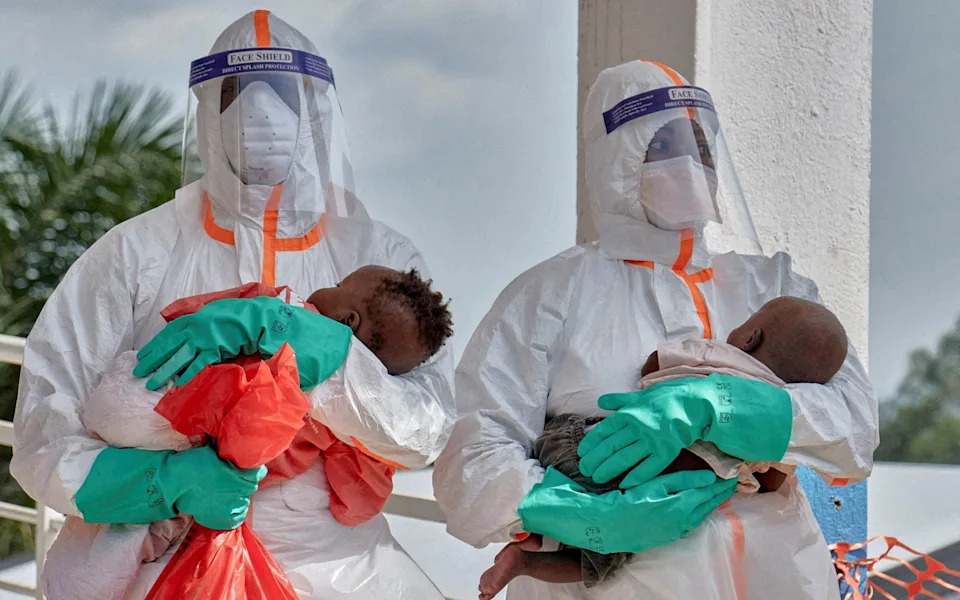
Cases of Ebola are surging in the Democratic Republic of Congo - Reuters/Gradel Muyisa Mumbere
The UK Health Security Agency (UKHSA) is rolling out the programme, called Prism (Pathogen Risk Intelligence through Surveillance and Modelling), to broaden testing beyond single pathogens and provide earlier warnings of imported or emerging biological threats. Over the next two years officials will extend sampling sites and laboratory analysis to detect a wider range of viruses, bacteria and fungi.
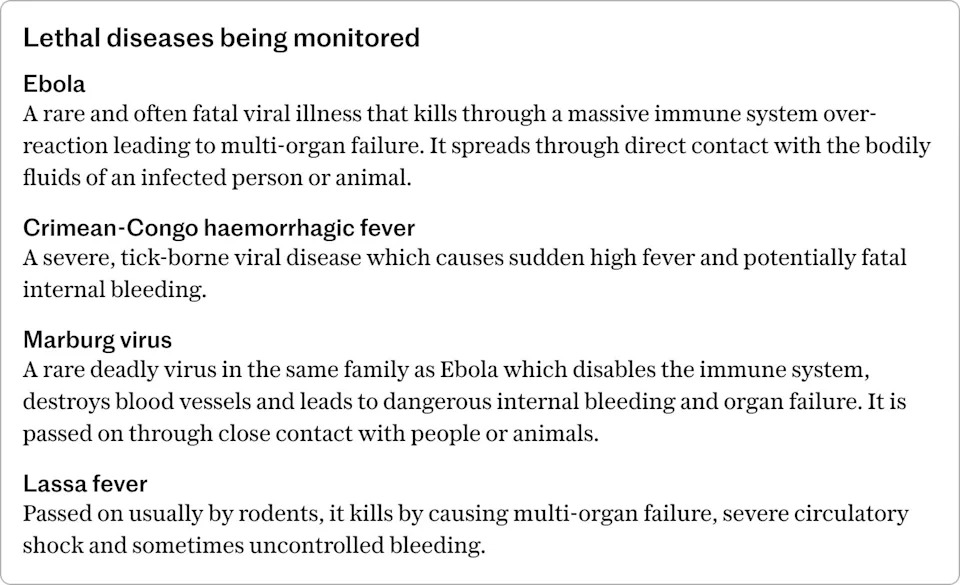
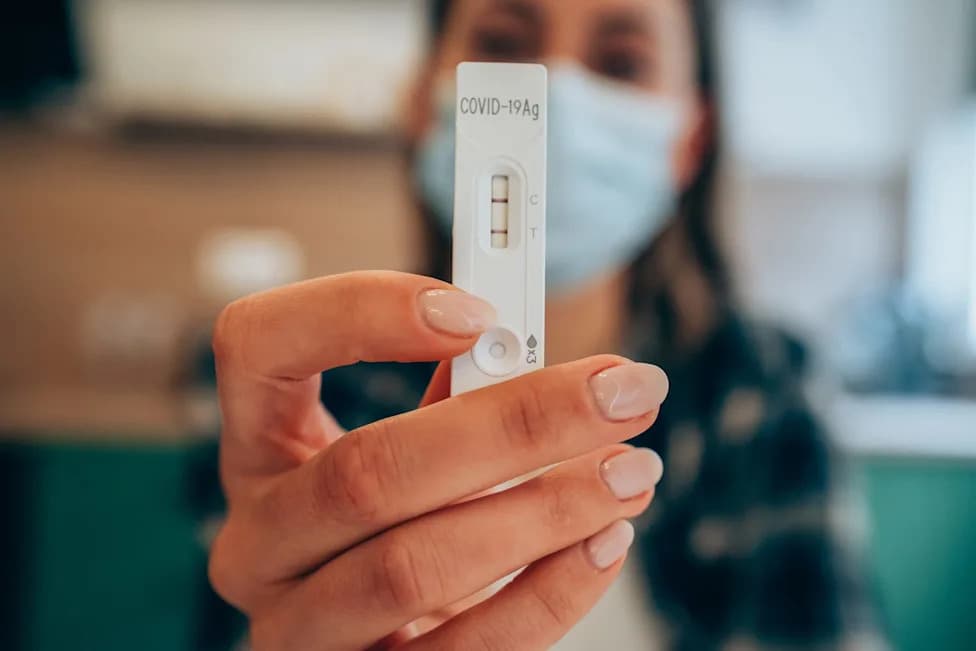
Prism will target rare but serious infections — including Crimean-Congo haemorrhagic fever, Marburg virus, Lassa fever and Ebola — and will continue routine surveillance for more common seasonal illnesses such as Covid-19 and norovirus. While Ebola is not airborne and requires close contact for transmission, recent large outbreaks in parts of Africa, including the Democratic Republic of Congo, underscore the value of heightened vigilance.
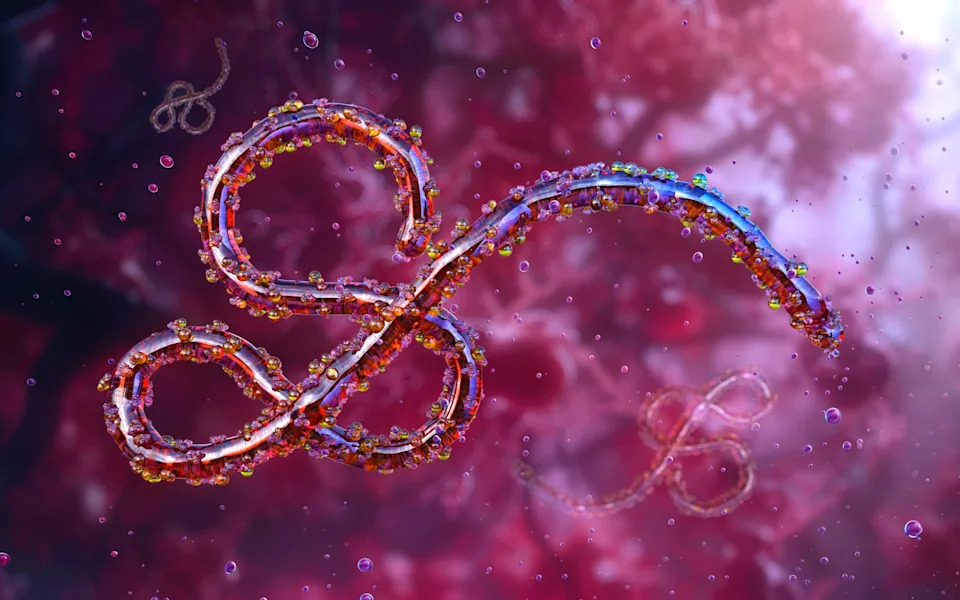
The Ebola virus causes severe inflammation and tissue damage throughout the body
Prof Robin May, UKHSA Chief Scientific Officer: "Though viruses such as Crimean-Congo haemorrhagic fever and Ebola are, happily, absent from the UK, this new surveillance means we would be better equipped to spot them early, should they ever arrive in this country."
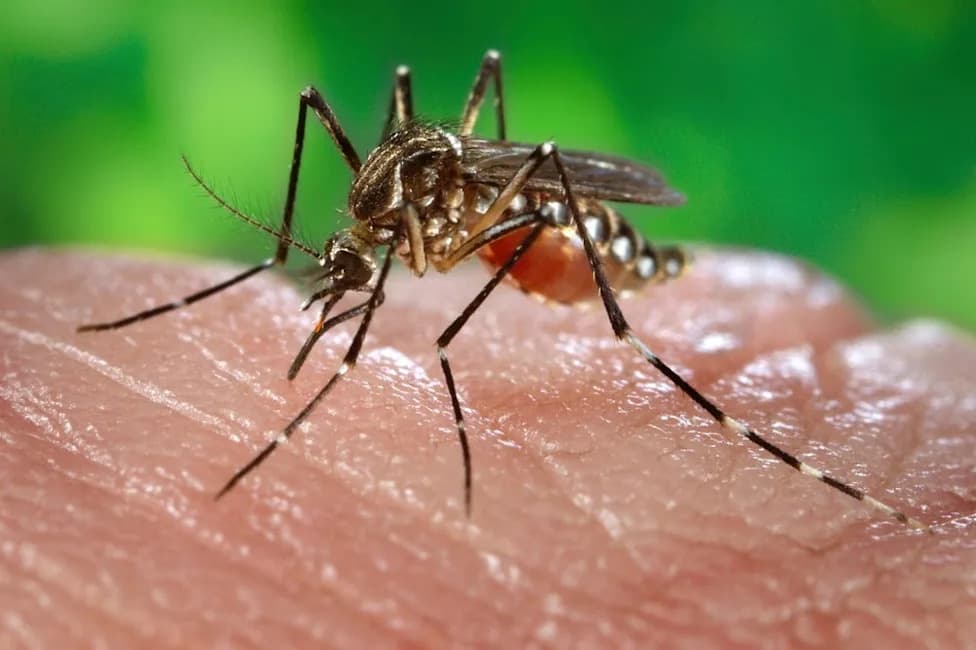
The programme will also monitor emerging variants and track drug-resistant organisms, including hypervirulent Klebsiella pneumoniae and the multidrug-resistant fungus Candida auris. UKHSA says Prism can help public health teams respond faster and more precisely, reducing pressure on the NHS during peak seasons.
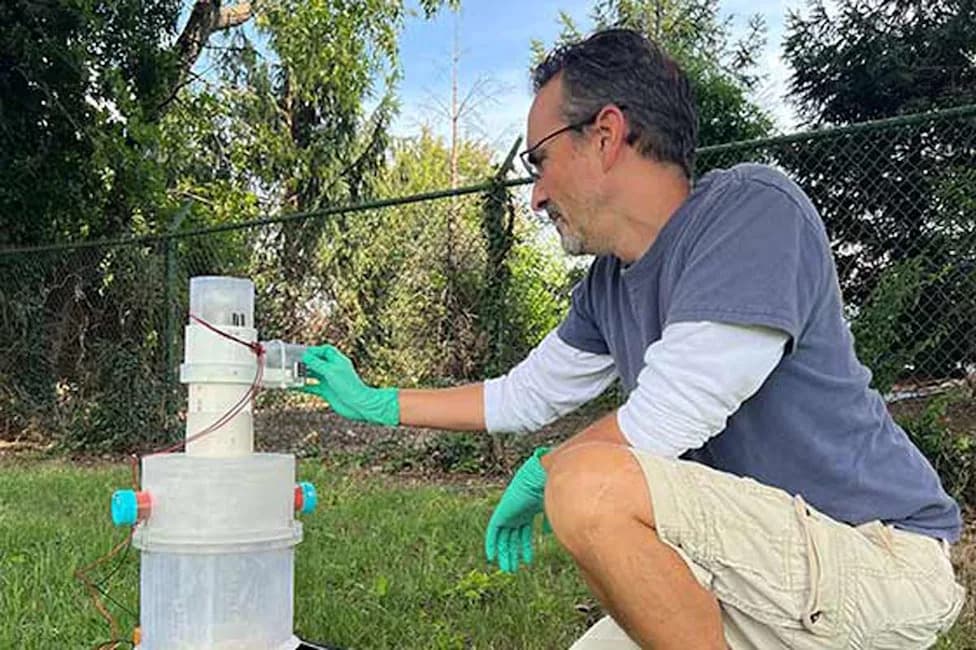
Wastewater surveillance has already proved useful in the UK: poliovirus was detected in London sewage in 2022, prompting a public vaccination campaign, and polio traces have been found in other locations such as Leeds, West Sussex, Shoreham and Sheffield in recent years. Early Prism trials successfully tracked norovirus in wastewater and distinguished circulating strains with support from AI tools, demonstrating the system’s ability to characterise multiple pathogens simultaneously.
Officials emphasise that Prism is an early-warning and situational-awareness tool rather than a diagnostic test for individuals. The programme will be rolled out progressively to strengthen national preparedness and to support rapid, proportionate public-health responses to any detected threats.
Help us improve.