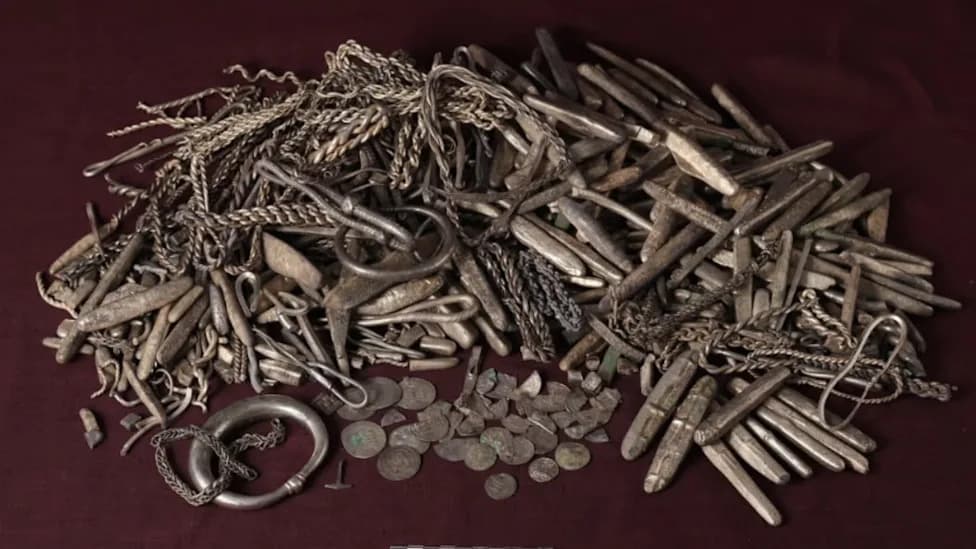
Archaeologists in Sandur on Sandoy have recovered a runic-inscribed floor stone that may be a 1,000-year-old tombstone. Helgi Michelsen of the National Museum reports the inscription appears to begin with the Old Norse phrase "Her hvílur" ("Here lies"), suggesting a grave marker. The site has yielded other early-Christian finds—a coin hoard and devotional objects—and the fragile stone is now at the National Museum awaiting detailed study.
Runic Floor Stone Found on Sandoy May Be a 1,000-Year-Old Tombstone
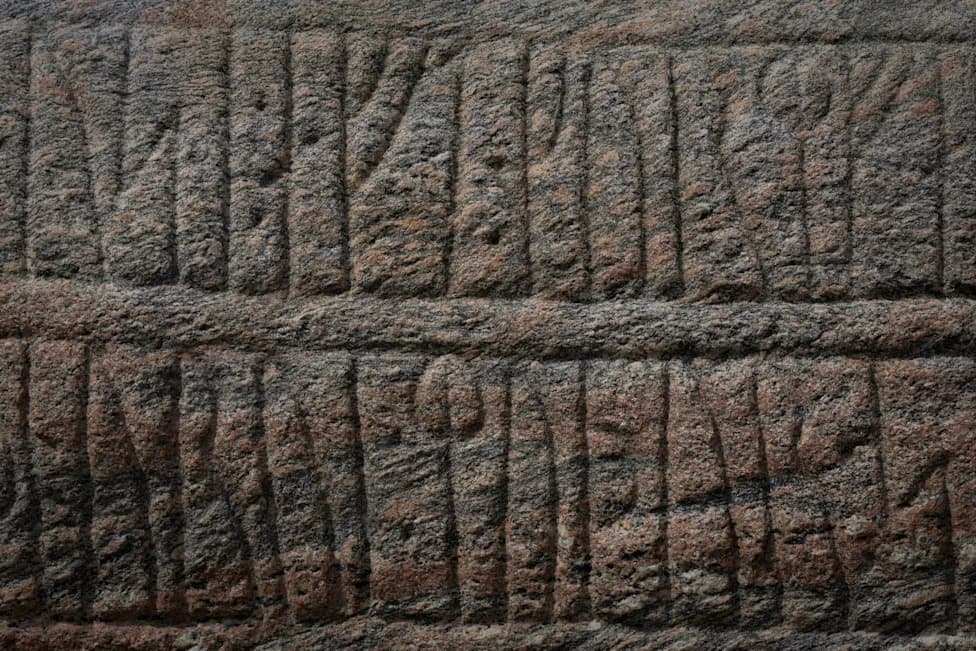
A Rare Runestone May Be a 1,000-Year-Old TombstoneGeoffrey Gilson Photography - Getty Images
Archaeologists excavating at the Á Sondum site in Sandur on Sandoy, Faroe Islands, have uncovered a flagged floor stone inscribed with runes that may be a grave marker from the islands' earliest Christian era.
What Was Found
The slab was recovered from the floor of a building thought to be an early chapel or prayer house. A preliminary reading by National Museum archaeologist Helgi Michelsen suggests the inscription begins with the Old Norse phrase "Her hvílur"—literally, "Here lies"—which is consistent with tombstone inscriptions elsewhere in the Norse world.
Historical Context
Á Sondum is a coastal site partly worn by salt spray that shows evidence of human activity as early as the fourth century. Norse settlers arrived in the ninth century, and around the year 1000 the chieftain Sigmundur Brestisson is credited with introducing Christianity to the Faroes at the request of King Olaf Tryggvason. Early chapels and churches from that transition period later decayed, leaving foundations and graveyards—the context in which this runic slab was found.
Why This Is Important
Runestones are common across Scandinavia but rare in the Faroe Islands, making this discovery notable. It remains unclear whether the slab was carved in a pre-Christian (pagan) context and reused in a Christian building or if it was produced specifically as a Christian grave marker in the islands' early Christian period. Experts say the carving resembles inscriptions on other Faroese stones such as the Sandavágur stone.
Associated Finds and Research
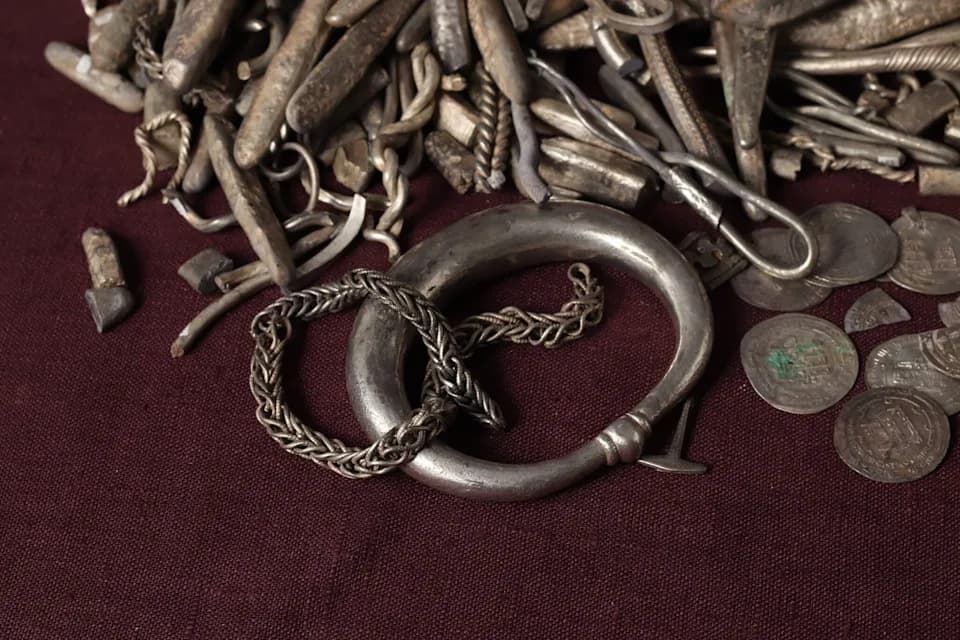
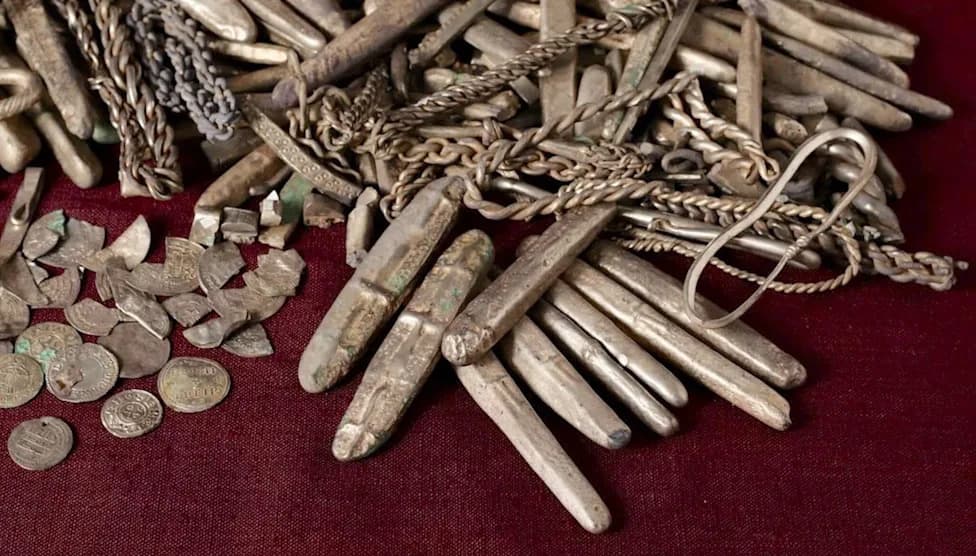
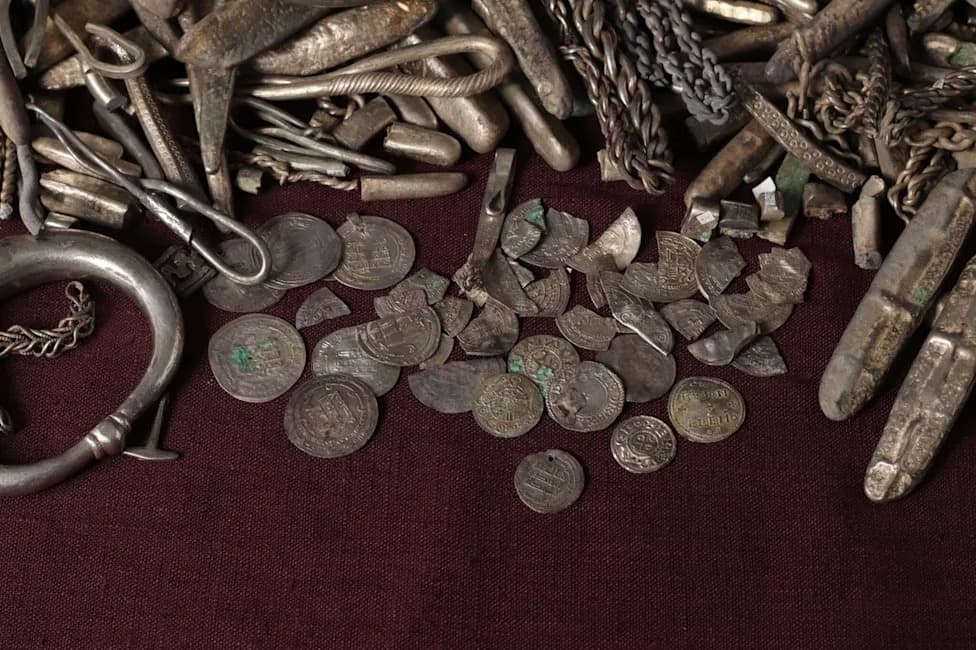
The building where the stone was found faces east–west with an entrance at its west end, typical of early medieval prayer houses. Excavations in Sandur have also revealed multiple earlier churches beneath the modern church site, an 11th-century coin hoard, and small devotional objects including fragments of a miniature statue of the Virgin Mary holding the infant Jesus and a kola lamp used to burn oil or animal fat. The project involves the National Museum of the Faroe Islands, Aarhus University and the Moesgaard Museum in Denmark.
Conservation and Next Steps
After careful removal the inscribed stone proved fragile and is now conserved at the National Museum while runeologists and conservators conduct detailed study. Specialists aim to translate the full inscription and to determine whether it served as a tombstone, carried prayers for the deceased, or was reused in the building.
Who Might Be Buried?
It is not yet known who, if anyone, was interred beneath the slab. Contemporary Faroese burial customs suggest that fallen soldiers and respected elders received special markers—soldiers’ graves sometimes encircled by stones with a standing central rock, and elders often marked similarly but with a flat central stone. Some early Christian artifacts in the Faroes may have arrived with Irish and Scottish monks, who brought small devotional items when evangelizing.
Excavations at Á Sondum will continue through the end of August; archaeologists ask the public to keep a respectful distance to protect fragile remains.
Help us improve.