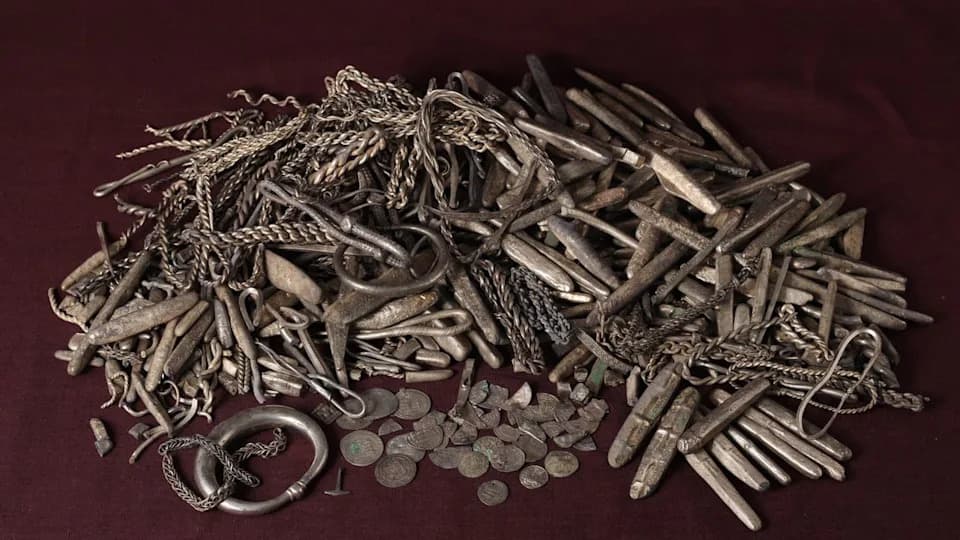
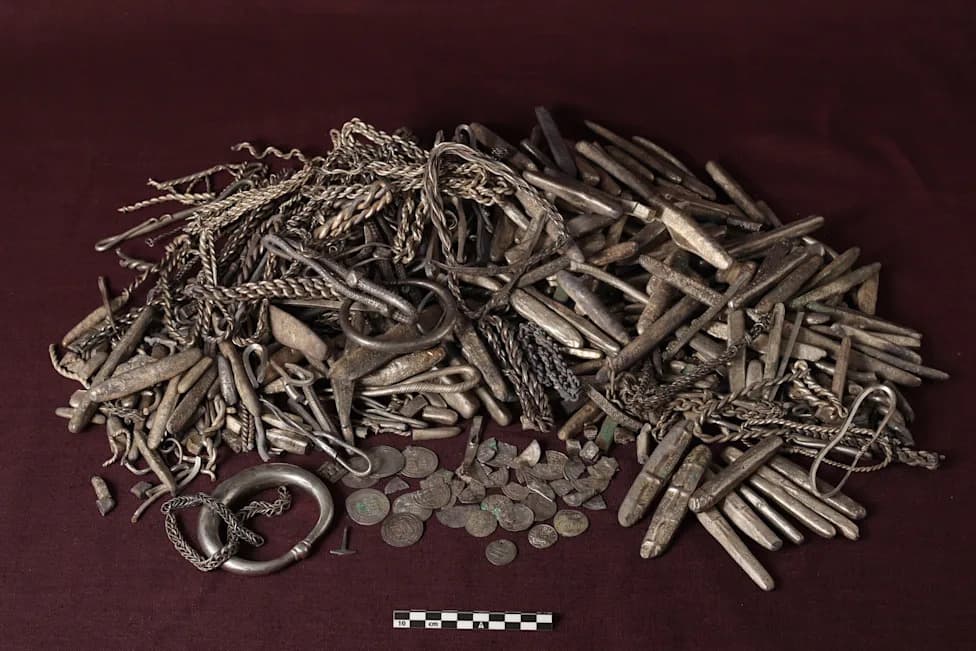
The Skonager burial in West Jutland yielded two oval Viking brooches that still carry textile fragments preserved by metal corrosion. Traces on both inner and outer faces may distinguish outer dresses from undergarments and reveal garment construction. Teams plan radiocarbon dating, dental analysis, soil sieving and pigment studies to date the finds and possibly recover original colors.
Viking Brooches Preserve 1,300-Year-Old Fabric — A Rare Window Into How Women Dressed
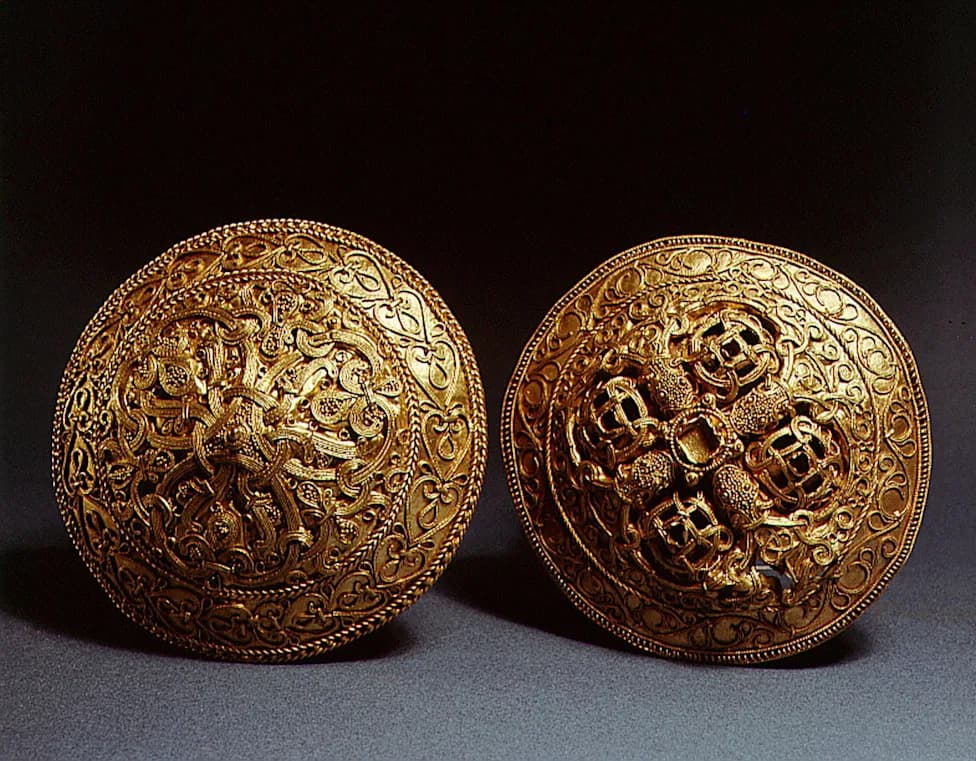
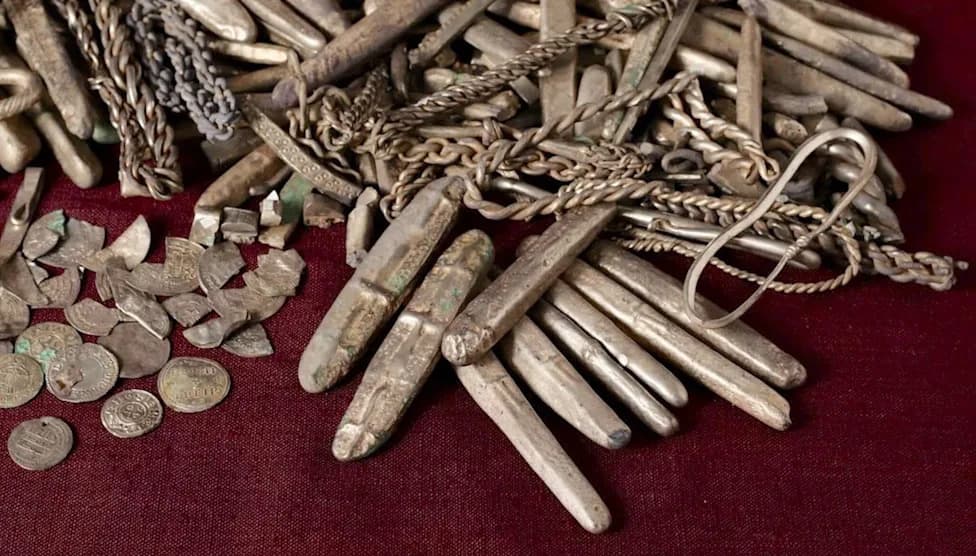
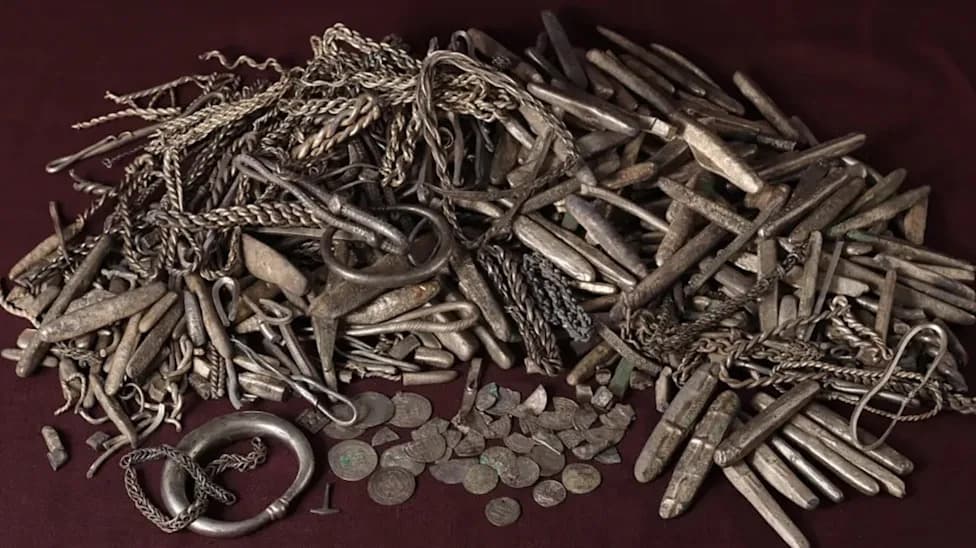
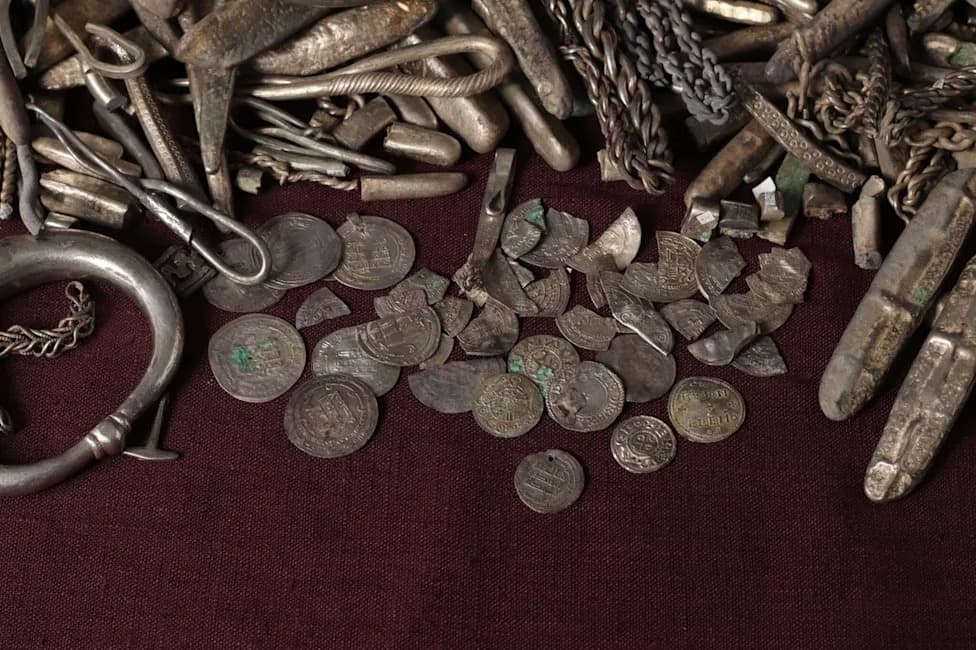
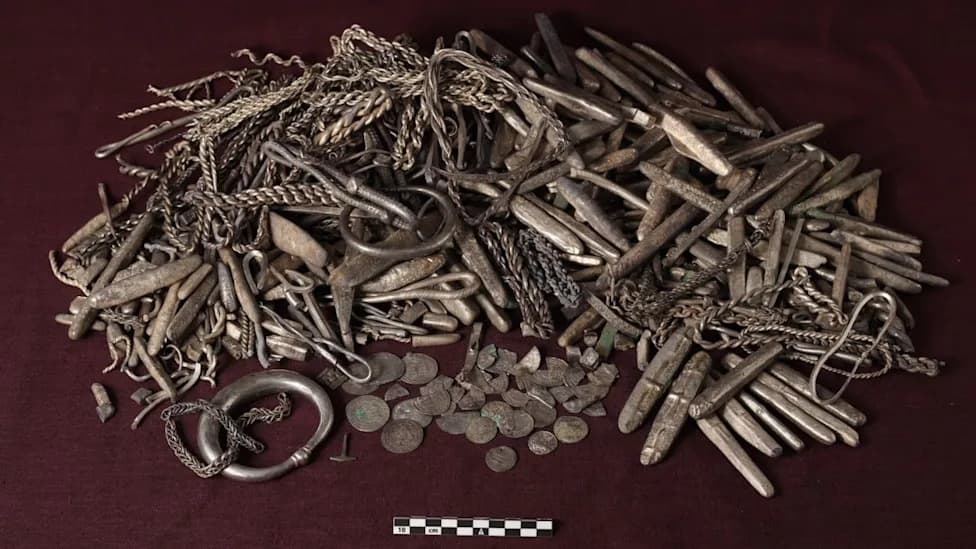
Archaeologists Found Viking Jewelry and FabricWerner Forman - Getty Images
Tucked inside a Viking Age burial at Skonager in West Jutland, Denmark, archaeologists uncovered two oval brooches that still hold fragments of fabric. The skeletal remains have been nicknamed the 'girl with the oval brooches.' These finds offer an exceptionally direct glimpse into how people dressed in Scandinavia about 1,300 years ago.
What Was Found
Excavations at Skonager in 2024 revealed a cluster of Viking graves containing everyday objects such as iron knives and glass beads. From one grave came two oval brooches with textile fragments clinging to both their inner and outer faces. According to Archaeology West Jutland, corrosion of the brooch metal released salts that helped stabilize and preserve the fabric fragments in the grave environment.
Why It Matters
Because traces are present on both sides of the brooches, specialists may be able to distinguish the outer garment from the layer worn next to the skin, revealing construction details and how garments were layered and fastened — information rarely preserved in archaeology. Oval brooches commonly anchored strapped dresses worn by Viking women, and these cloth remains could shed light on textile techniques, tailoring, and dress habits.
Context And Dating
Oval brooches of this type are characteristic of the Viking Age in this region, typically dated to about 800–1050 C.E. One of the brooches shows signs of repair, suggesting it may have been an heirloom used over time. Radiocarbon dating of the textile fragments and other contextual analyses are planned to establish precise dates.
Ongoing Research
Multiple teams will study the burial. The University of Southern Denmark will analyze the woman's teeth for diet and origin clues, while soil specialists will sieve sediments grain by grain to recover tiny textile fibers and other traces. The National Museum of Denmark's Textile Colors of the Viking Age project will search for remaining pigments on the fibers, which could reveal the original hues of the garments.
Archaeology West Jutland noted that the preservation of both teeth and textiles at this site is 'especially exceptional' given the rarity of Viking graves in West Jutland.
Broader Picture
The Skonager finds fit into a longer local tradition of textile production: earlier discoveries in the region point to flax processing and cloth manufacture between roughly 600 and 900 C.E. Together, the material evidence from brooches, textile fragments, and workshop sites can help reconstruct not only fashions but also local craft practices and trade connections.
With careful conservation and scientific analysis, these modest brooches may let researchers reconstruct details of a woman's dress and color for the first time in about 1,300 years, providing a rare and humanizing connection to daily life in the Viking Age.
Help us improve.