Three weeks after King Harald V's death on August 28, the Norwegian royal household unveiled a ship-shaped sarcophagus carved from 400‑million‑year‑old olivine quarried in Sunnmøre. Designed by Snøhetta under architect Kjetil Trædal Thorsen, the ten-section tomb evokes maritime and Viking burial traditions and is adorned with bronze regalia and peridot gems cut from the same stone. Built entirely by Norwegian craftsmen and funded in part by a 20 million kroner government allocation, it now rests in the royal mausoleum beneath Akershus Fortress; the vault is closed to the public and the released photos are the first official views.
Revealed: King Harald’s Ship-Shaped Sarcophagus Carved From 400-Million-Year-Old Olivine
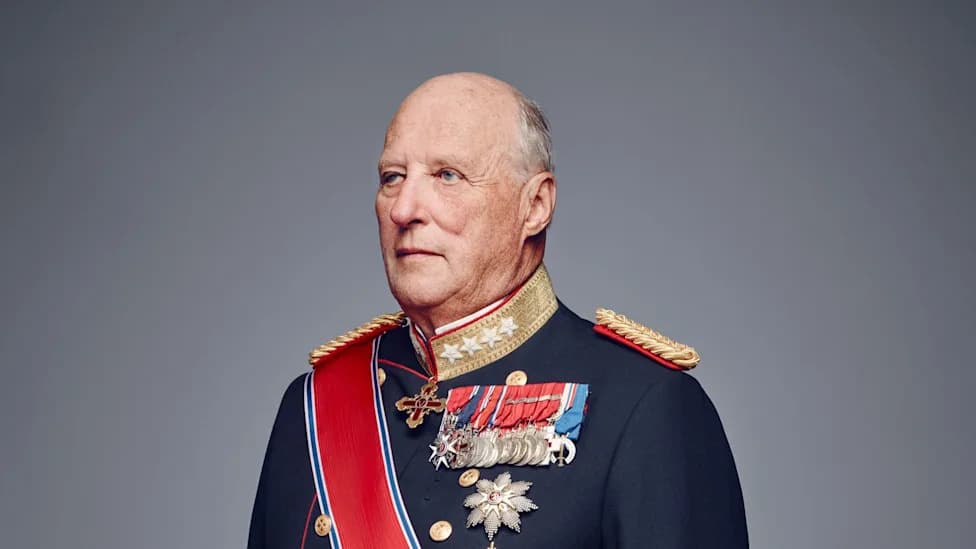
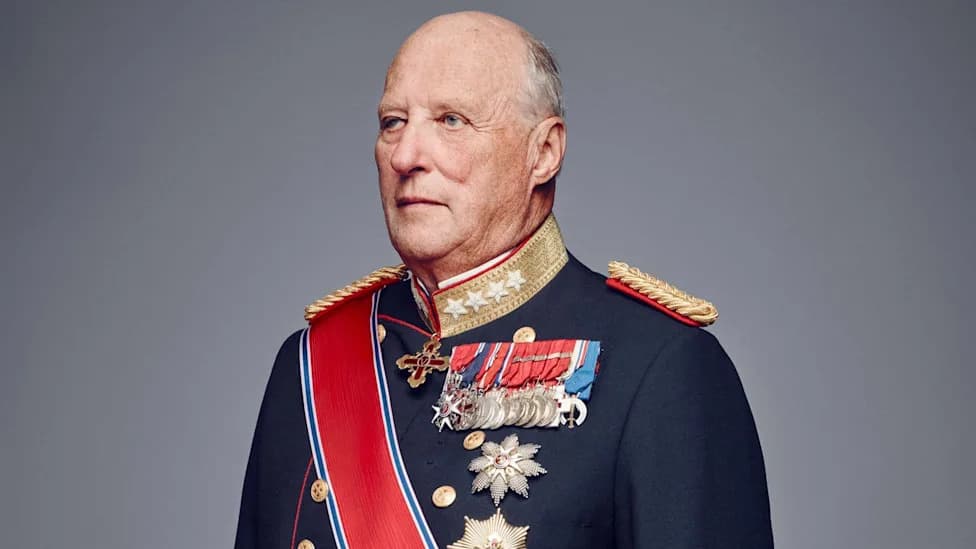
King Harald V of Norway poses for an official photograph from the Royal Court on January 15, 2016 in Oslo, Norway (Handout)
Three weeks after King Harald V's death on August 28, Norway's royal household has unveiled the sarcophagus that will hold his remains. The coffin is carved from olivine, a cool green stone formed roughly 400 million years ago and later pushed to the surface by the same tectonic forces that shaped Norway's landscape. The stone's mossy hue and natural veining give the tomb a quietly striking presence.
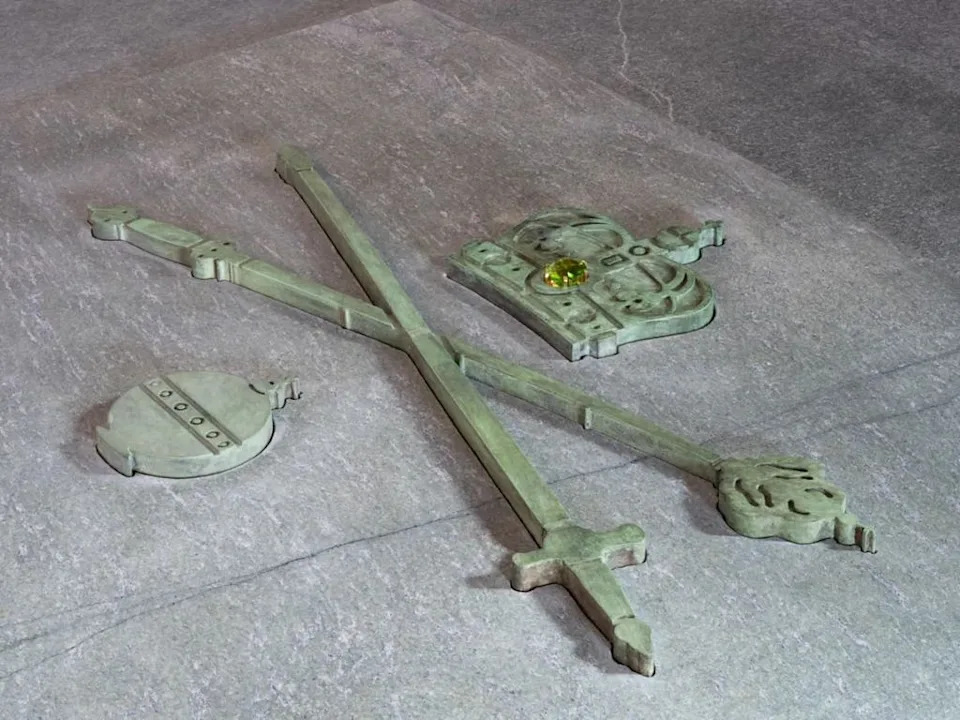
The symbols on King Harald's sarcophagus (@ Ola Vatn/The Royal Court)
Design and Symbolism
The sarcophagus is shaped like a rounded-hull vessel — a deliberate reference to King Harald’s lifelong bond with the sea. The royal household says the hull motif symbolizes protection and a safe passage onward, echoing Viking-era ship burials in which boats carried the dead to another realm. Queen Sonja’s deep affection for Norway’s natural scenery also influenced the choice of material: the couple spent decades traversing the countryside on foot and skis, so a Norwegian stone felt especially fitting.
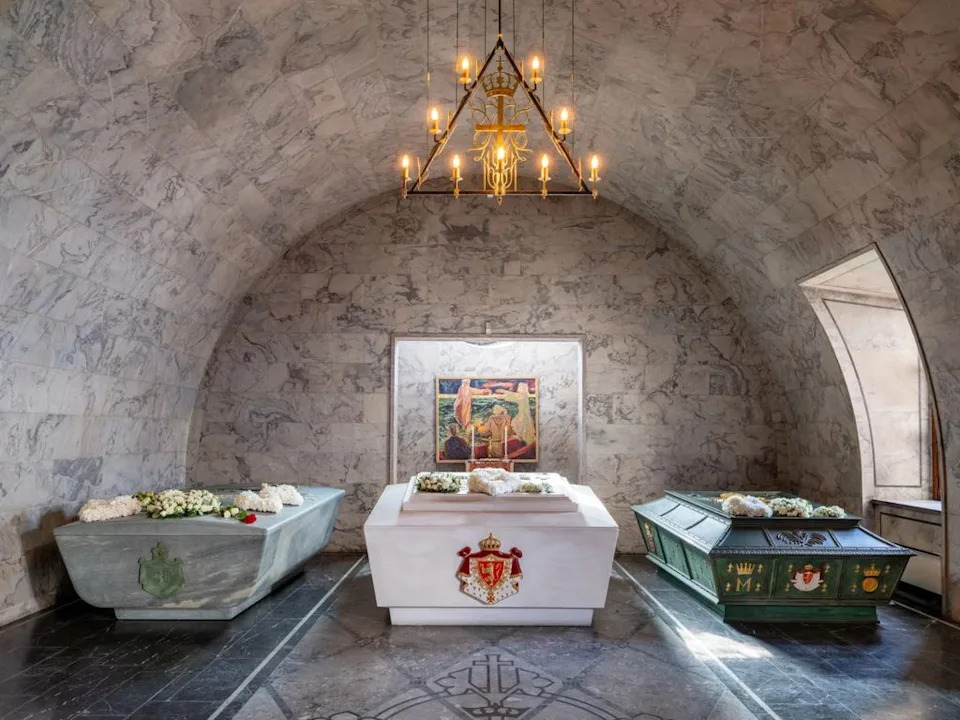
King Harald's sarcophagus is in the shape of a boat (@ Ola Vatn/The Royal Court)
Material and Craftsmanship
The olivine was quarried in Sunnmøre at Steinsvik Olivine in Volda. Designers highlighted olivine’s ability to absorb and bind carbon dioxide as a symbolic nod to the couple’s devotion to nature and concern for future generations. The peridot gems set into two crowns on the lid are the gem-quality form of olivine and were cut from the same stone, mirroring the green tones of the sarcophagus itself.
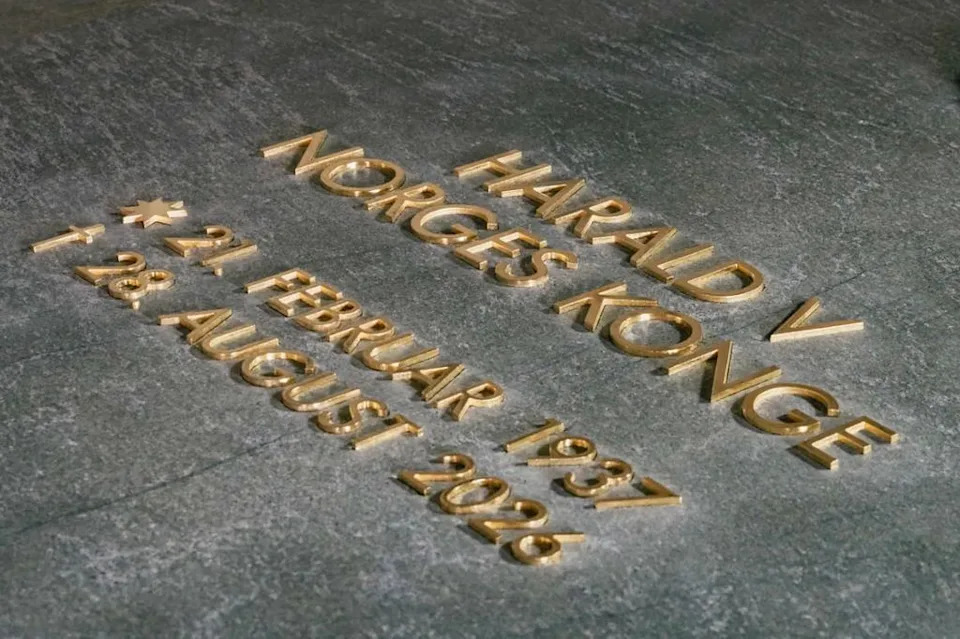
A closer look at King Harald V's sarcophagus (@ Ola Vatn/The Royal Court)
Every ornament is handcrafted. The bronze regalia — the crown, orb, sceptre and sword shown on the lid — were cast using the traditional lost-wax method and are partly sunk into the stone surface. The inscription is worked in brass, gilded and partially inlaid in the Futura typeface designed by Paul Renner in the 1920s.
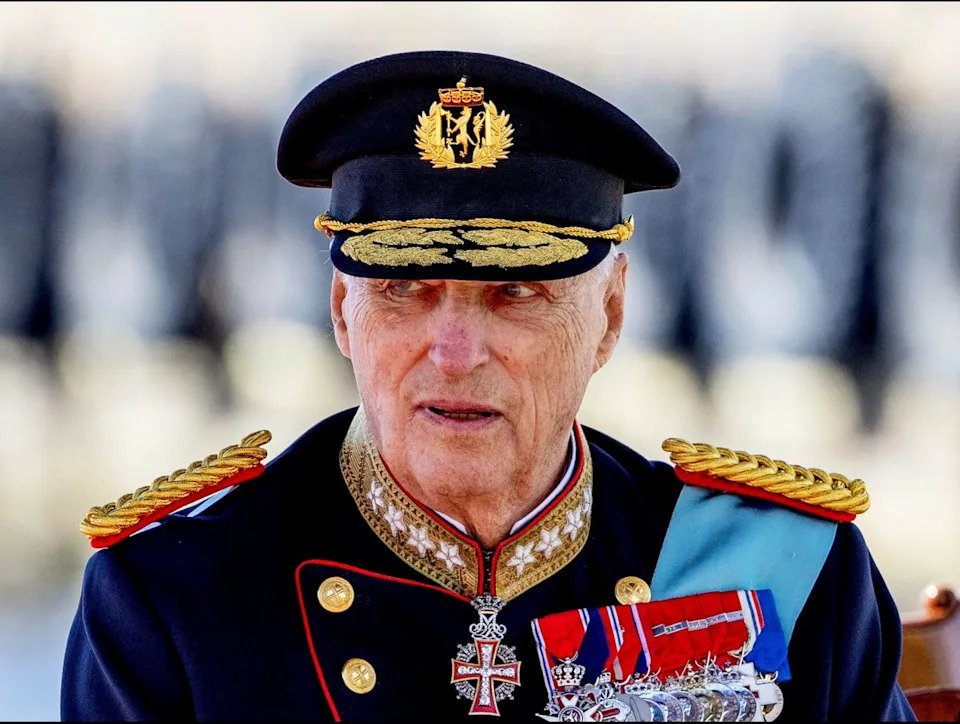
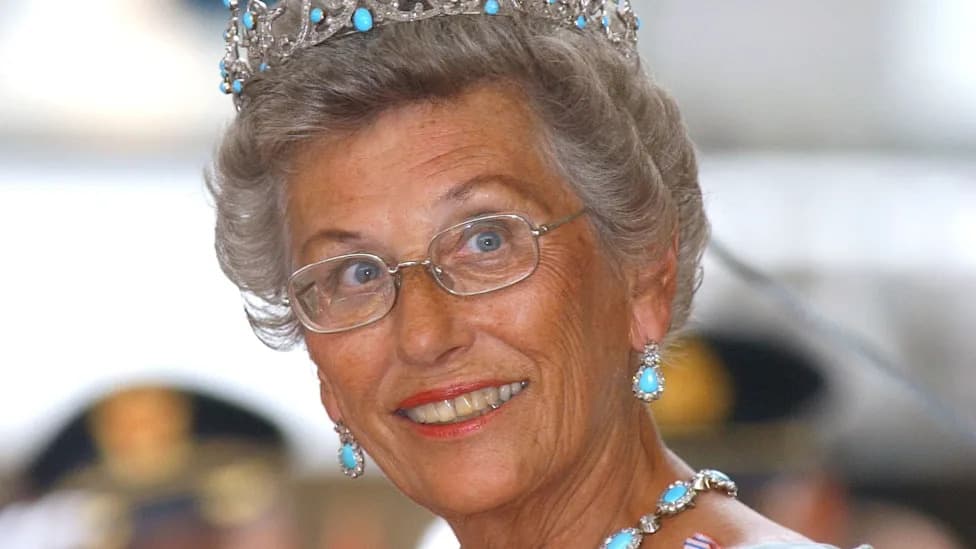
King Harald V of Norway was one of Europe's oldest rulers (@ Avalon)
Norwegian Makers and Materials
The sarcophagus was designed by Norwegian architecture firm Snøhetta under architect Kjetil Trædal Thorsen and built entirely from Norwegian materials by Norwegian craftsmen. It comprises ten large stone sections that were assembled at a stonemasonry workshop in Skjeberg. The peridots were cut and polished in Averøy; the bronze regalia was cast at Kristiania Kunst- & Metalstøberi; and the brass lettering was water-cut in Sande. The Norwegian government allocated 20 million kroner for the project in 2024.
Location and Public Access
The sarcophagus now rests in the royal mausoleum beneath the chapel at Akershus Fortress in Oslo, beside the tombs of Harald’s parents — King Olav and Crown Princess Märtha — and his grandparents, King Haakon VII and Queen Maud. Harald was interred there on September 9 following a private ceremony; Queen Sonja is expected to join him in due course. The mausoleum is not open to the public, and the images released represent the first official view of the tomb.
“A tribute to a life rooted in Norway’s landscape and seafaring tradition, crafted by local hands from stone that predates the mountains themselves.”
Norway’s monarchy, now led by his son King Haakon, remains in mourning for a monarch widely beloved by his family, his people and fellow royal houses around the world. The sarcophagus blends geological history, national craftsmanship and personal symbolism into a quiet, dignified farewell.
Help us improve.