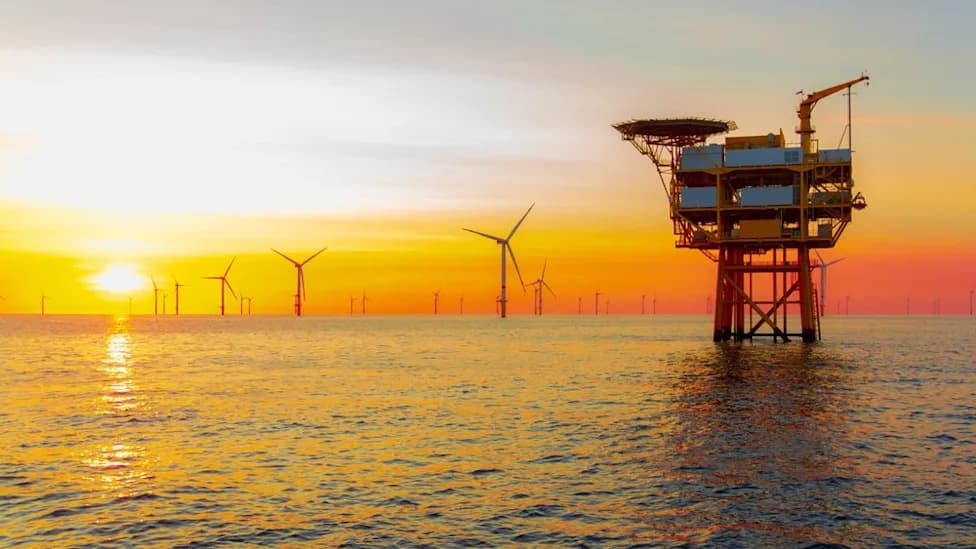
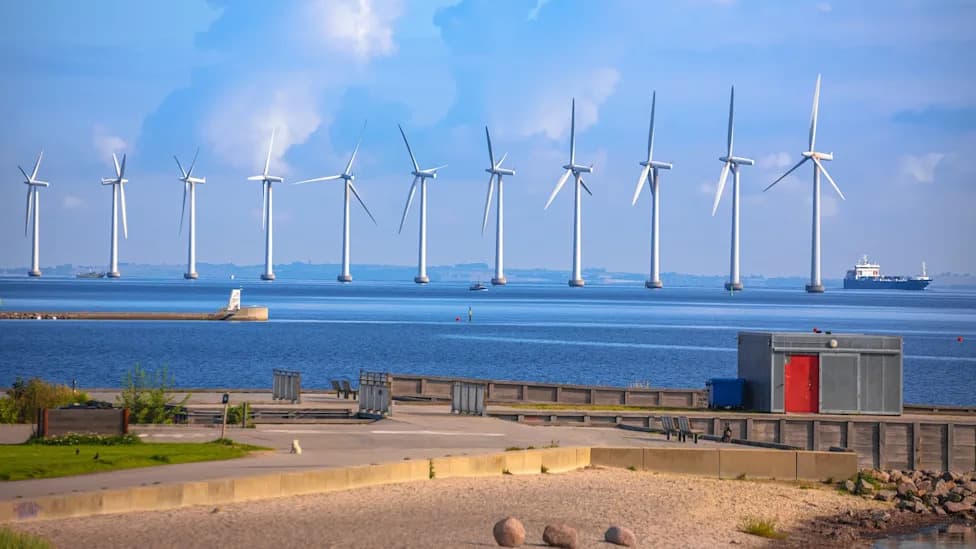
Wind supplied about 10.5% of U.S. net electricity generation in 2025. Texas leads by a wide margin with 19,415 turbines producing 124,278 GWh in 2024 — enough for roughly 11.8 million homes using the EIA household benchmark. Iowa, Oklahoma, California and Kansas round out the top five, each producing tens of thousands of GWh and often exporting surplus power. Continued growth through repowering, transmission investments and offshore development is expected, alongside efforts to reduce wildlife and integration challenges.
Top 5 U.S. States With the Most Wind Turbines — How Much Electricity They Produce (2024–2025)
Pituk Loonhong/Getty Images
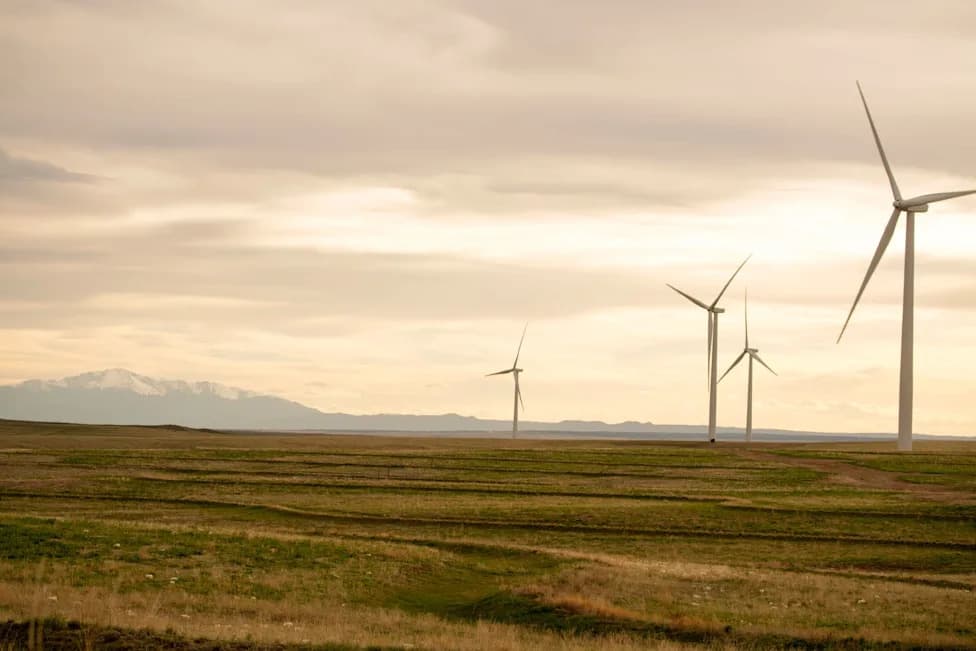
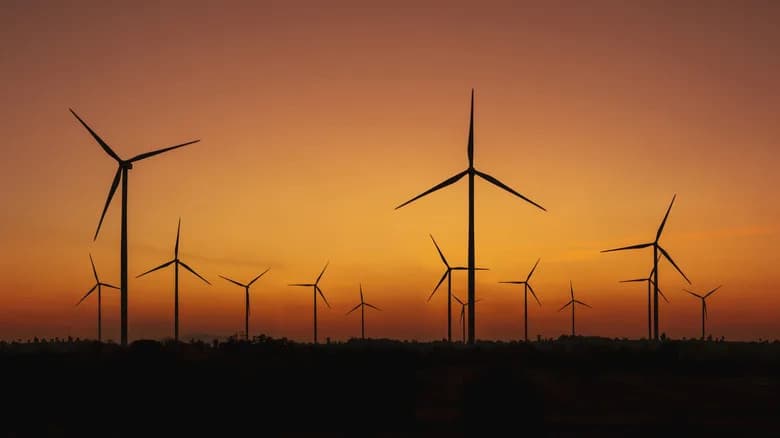
Whether admired or criticized, wind turbines are now a permanent part of the American landscape. The first large-scale turbine to feed electricity into the grid began operating in Castleton, Vermont, in 1941; although it shut down after a blade failure in 1945, that installation is widely seen as an early milestone for modern wind power. The industry expanded notably after the 1973 oil crisis, and while California led early development, Texas has grown to host far more operational turbines than any other state.
Nationwide, wind supplied about 10.5% of U.S. net electricity generation in 2025. Analysts expect steady growth in both onshore and offshore wind, along with technological advances such as repowering older sites and, eventually, new concepts like flying wind turbines. Below we look at the five states with the most turbines, their 2024 generation, and how many homes that electricity could power using the EIA household benchmark.
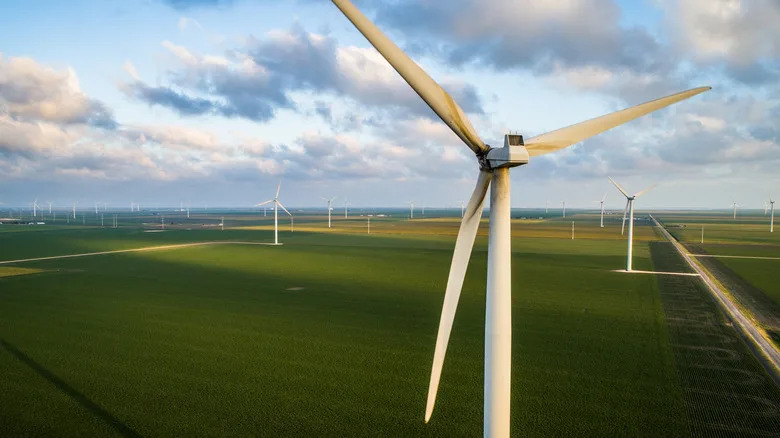
Texas
Turbines: 19,415 (all onshore, 2025)
Roschetzkyistockphoto/Getty Images
2024 Generation: 124,278 GWh — about 22% of Texas’s total electricity generation.
Household Equivalent: ≈11.8 million homes (using ~10,500 kWh/household/year).
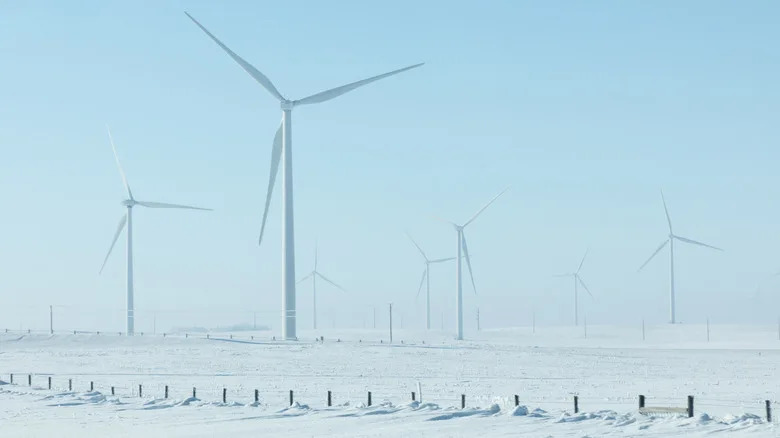
Texas’s wind boom accelerated in the 2000s as improved turbine technology, federal incentives, state policies and major transmission investments unlocked vast resources across West Texas and the Panhandle. Developers are also exploring the Gulf of Mexico for potential offshore projects; federal agencies have identified lease areas, though commercial offshore builds are still early-stage.
Laurent Fady/Shutterstock
Iowa
Turbines: 6,472 (2025)
2024 Generation: 44,277 GWh
Household Equivalent: ≈4.2 million homes.
Kirillm/Getty Images
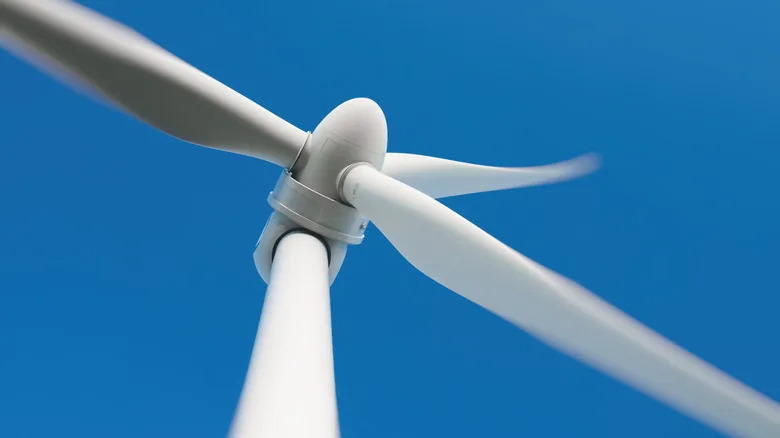
Iowa gained an early policy advantage by becoming the first state in 1983 to require utilities to include renewable energy, helping jump-start the industry. In 2024 roughly 63% of Iowa’s electricity came from wind — the largest share of any U.S. state — enabling the state to export surplus power.
Oklahoma
Turbines: 5,597 (2025)
2024 Generation: 37,967 GWh
Justin Sullivan/Getty Images
Household Equivalent: ≈3.6 million homes.
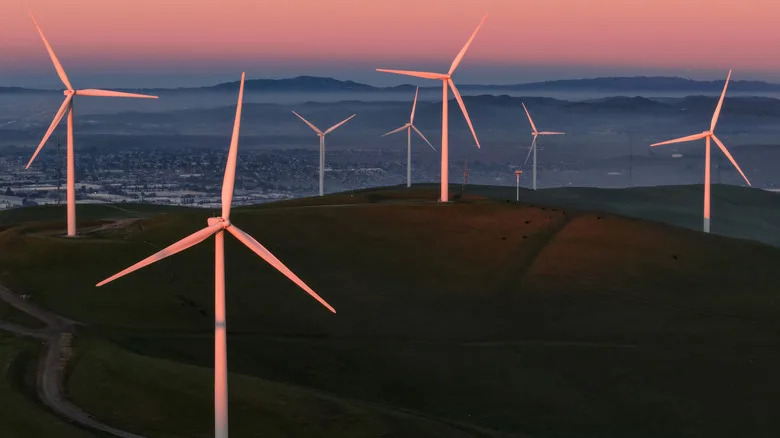
Located in the Great Plains, Oklahoma benefits from steady winds and wide-open terrain. A major recent addition was the Traverse Wind Energy Center (online spring 2022), which includes 356 turbines and a nameplate capacity of 999 MW. Like Iowa, Oklahoma exports more electricity than it uses.
California
Turbines: 5,510 (onshore, 2025)
Cavan Images/Getty Images
2024 Generation: 15,648 GWh
Household Equivalent: ≈2.0 million homes.
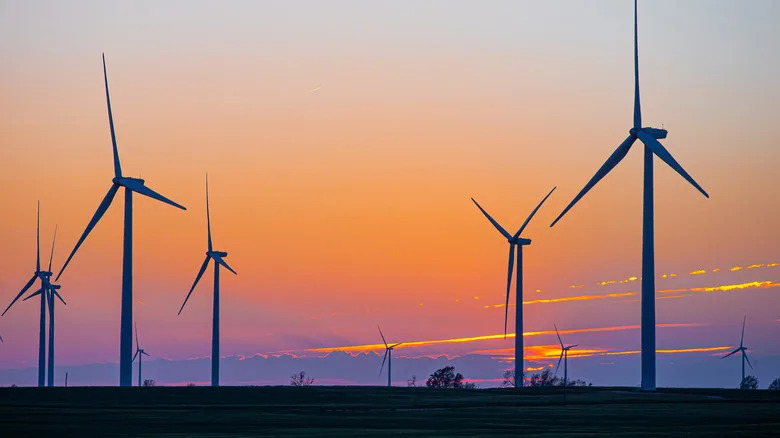
California helped shape the modern U.S. wind industry in the early 1980s with large-scale installations in places such as Altamont and Tehachapi Passes. In recent years many older sites have been repowered—replacing smaller, faster-rotating machines with taller, more efficient turbines—which increases output while requiring fewer units. Repowering has reduced some wildlife impacts, but bird and bat fatalities remain an active area of research and mitigation.
Kansas
Turbines: 4,415 (2025)
2024 Generation: 29,795 GWh
Household Equivalent: ≈2.8 million homes.
Kansas’s reliable prairie winds and agricultural land have made wind a central part of its energy mix: over the past two decades, major investment transformed the state from coal-dominated generation to one in which wind is a leading source. Many farmers now supplement income with wind-lease payments.
Outlook and Challenges
Wind energy growth is likely to continue through onshore expansion, repowering, and the eventual scale-up of offshore projects. Key challenges remain: transmission upgrades to move power from windy regions to demand centers, environmental concerns such as wildlife impacts, and the need to integrate variable wind output with storage and grid flexibility. Nevertheless, wind’s role in reducing coal use and diversifying the energy mix is expected to grow.
Help us improve.