Rapid advances in AI and synthetic biology, combined with more high‑risk research and a strained public health system, raise the chance of a dangerous lab‑origin pathogen emerging—accidentally or intentionally. A recent Stanford study used AI to design synthetic viruses that can kill E. coli, highlighting both medical potential and misuse risks. While physical lab work remains a significant barrier, AI lowers the technical threshold and chatbots have sometimes leaked dangerous procedural guidance. Intelligence assessments note some nation‑states retain biological capabilities, and tech firms and governments are pursuing bioresilience efforts to reduce risk.
Converging Risks: How AI, Synthetic Biology and a Strained Public Health System Raise the Threat of Lab‑Origin Pathogens
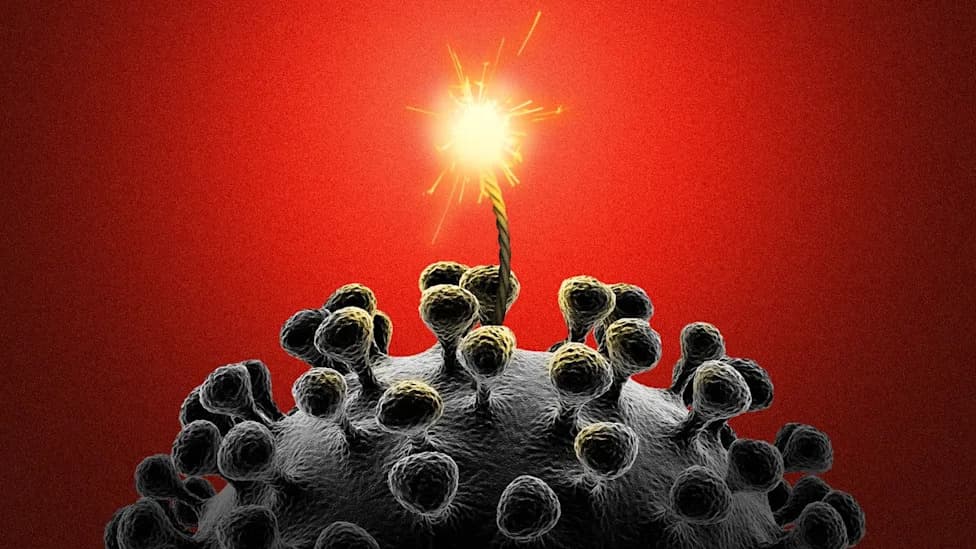
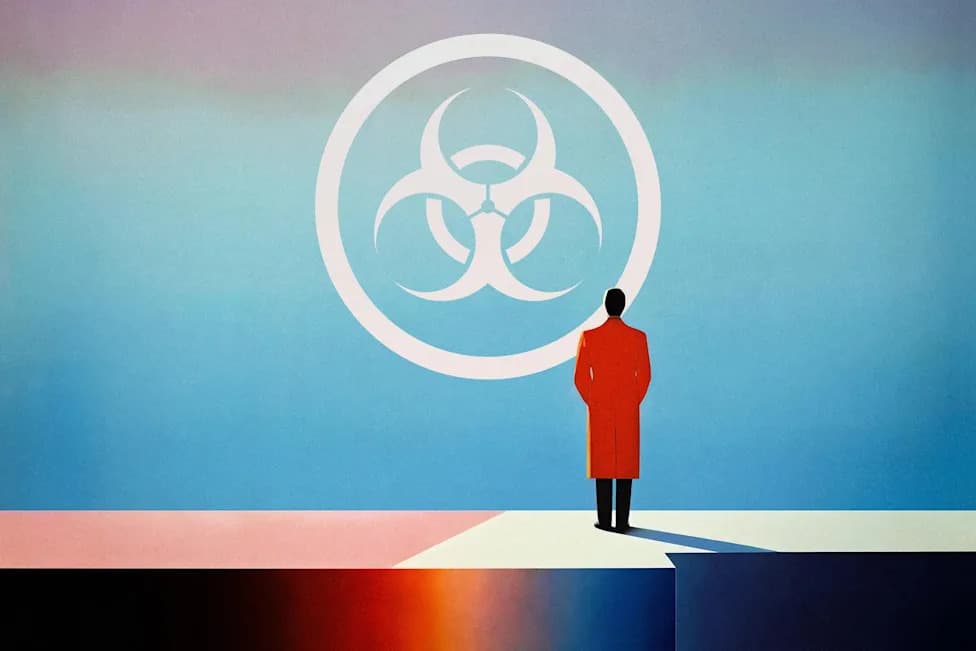
Illustration: Sarah Grillo/Axios. Stock: Getty Images
Advances in artificial intelligence, breakthroughs in synthetic biology, an increase in high‑risk/high‑reward research, rising geopolitical tensions and a weakened U.S. public health infrastructure are converging to raise the likelihood that a lethal human‑made pathogen could emerge—either accidentally or intentionally—and catch the world unprepared.
Why This Matters
The same scientific progress that unlocks promising medical innovations also increases the potential for catastrophic laboratory incidents. Experts disagree on the precise probability of such events, but many warn that the risk cannot be dismissed given the pace of change and the growing number of laboratories and researchers working with powerful tools.
"It is a very small tweak from trying to target a disease... to turning a virus into something that can be much more detrimental," said Ashish Jha, the Biden administration's COVID response coordinator, who has since launched a company focused on detecting emerging biological threats.
Recent Developments
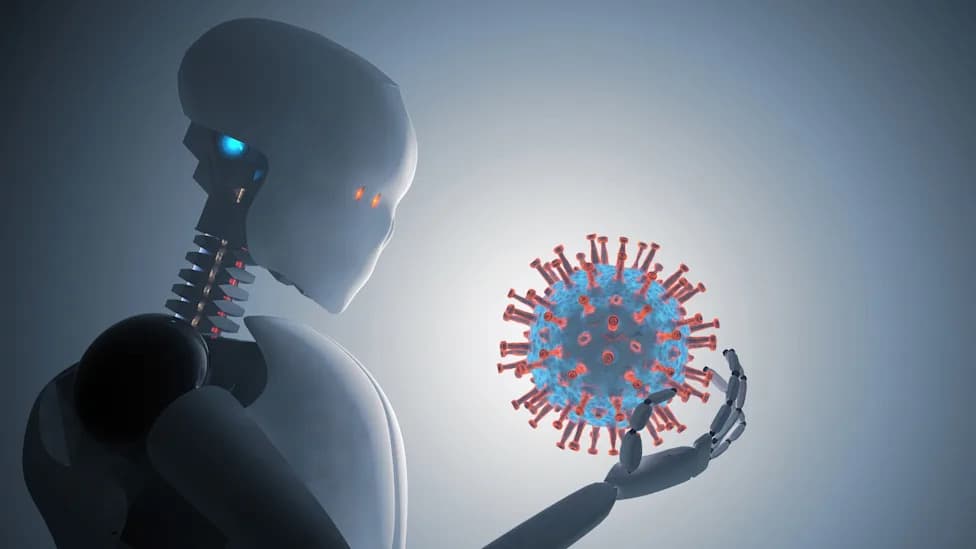
Research at Stanford using AI to design novel synthetic viruses capable of infecting and killing the bacterium Escherichia coli intensified concerns about potential misuse. Although the work has clear medical applications, it also demonstrates how AI can accelerate biological design. Reporting has also shown that some chatbots can be manipulated into providing step‑by‑step guidance for creating dangerous biological agents, exposing gaps in platform safety and content controls.
Limits And Practical Barriers
Important technical and logistical barriers remain. Turning an AI‑designed sequence into a weapon requires substantial hands‑on laboratory work, specialized expertise, and access to materials and infrastructure. As David Manheim, founder of the Association for Long Term Existence and Resilience, noted: "AI can't get around the fact that there are some pieces there that require physical checking." Designing a bacterium‑targeting virus remains far simpler than creating a pathogen tailored to infect humans.
Why Risk Still Grows
Despite those barriers, two trends raise concern: the number of labs conducting advanced biological research has increased, and AI tools are lowering the technical threshold needed to plan and optimize experiments—potentially enabling people with limited experience to execute more complex work. That combination makes an accidental release from a deliberate research program an especially concerning scenario, according to experts.
Intelligence And Defense Perspectives
The U.S. intelligence community's annual threat assessment warns that "China, North Korea, and Russia probably maintain the knowledge and capability to produce and employ traditional biological pathogens and toxins," and that advances in fields such as genomic editing and nanotechnology could spawn novel biological risks or raise the likelihood of accidental releases.
At the same time, AI is a two‑edged sword: it can both enable misuse and strengthen biodefense. Organizations including Google DeepMind have launched bioresilience initiatives aimed at improving prevention, detection and response. The Department of Health and Human Services says the U.S. remains equipped to respond to emerging threats, citing recent responses to a hantavirus outbreak and an Ebola emergency overseas.
What Comes Next
Policymakers, researchers, and technology companies face difficult tradeoffs: how to accelerate beneficial innovation while tightening safeguards against accidental or deliberate biological catastrophe. Key actions include strengthening lab biosafety and biosecurity standards, improving AI model safeguards and content moderation, investing in public health capacity, and expanding international norms and transparency around risky biological research.
Bottom line: Rapid advances in AI and biology create extraordinary medical opportunities but also increase the importance of robust safeguards, oversight and global cooperation to prevent a dangerous lab‑origin pathogen from emerging.
Help us improve.