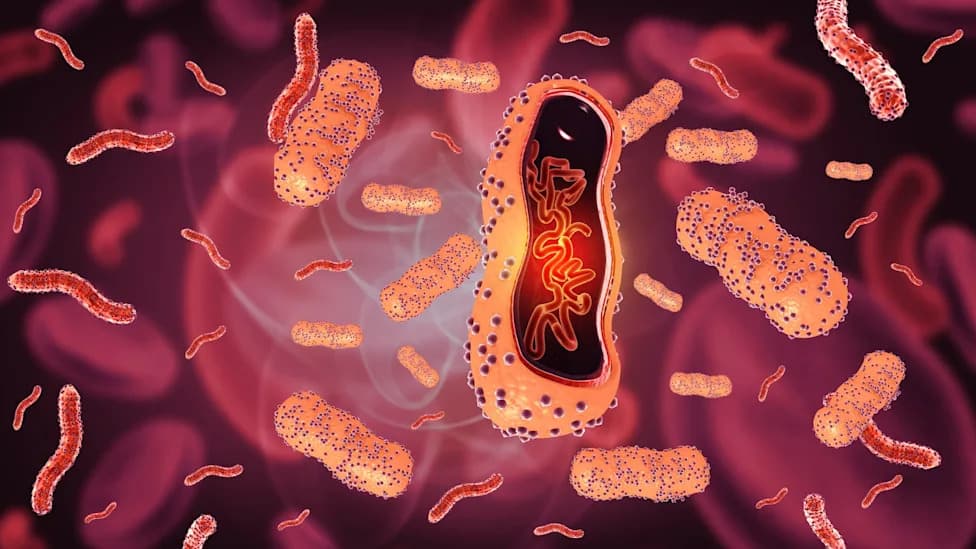
Rabies is nearly always fatal once symptoms develop but is preventable with timely vaccination. APHIS plans an extensive oral rabies vaccination campaign using RABORAL V-RG® fishmeal-coated sachets delivered by air, vehicle and bait stations across the eastern U.S. Millions of two-inch vaccine baits will be deployed this summer and fall to halt the spread of raccoon-associated rabies. The program builds on decades of oral-bait success—APHIS has distributed over 200 million baits since 1995—and aims to prevent further westward movement of rabies variants.
USDA to Airdrop Millions of Oral Rabies Vaccine Baits Across the Eastern U.S.
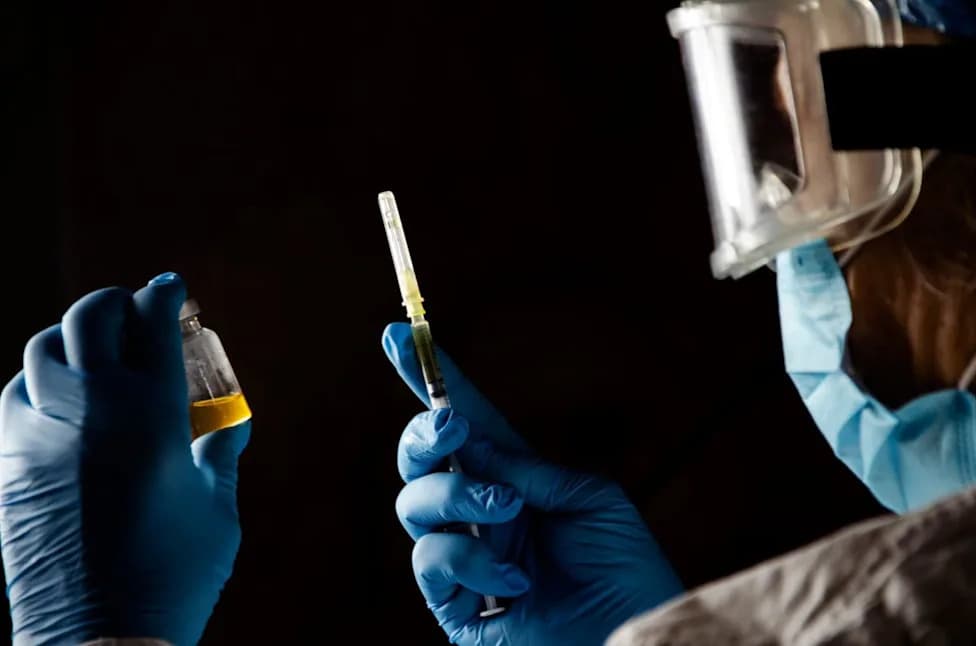
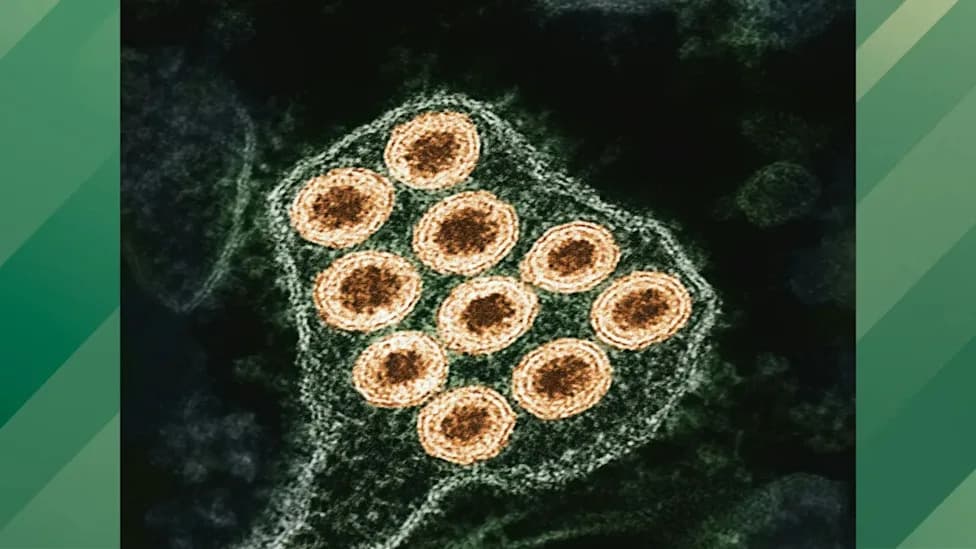
The Virology Center manufactures the vaccine. Doctor with Covid-19 vaccine. Mass vaccination concept.Testing the coronavirus vaccine. Close up of coronavirus vaccine.© Kharaim Pavlo/Shutterstock.com
Rabies is a terrifying viral disease caused by lyssaviruses. Once clinical symptoms appear—initial fever, headache and tingling followed by confusion, agitation and hydrophobia—the infection is almost always fatal without prompt post-exposure treatment. Fortunately, timely vaccination after an exposure prevents disease.
What APHIS Is Doing
On July 31, the U.S. Department of Agriculture’s Animal and Plant Health Inspection Service (APHIS) announced its annual oral rabies vaccination campaign across selected areas of the eastern United States. The operation will deploy millions of vaccine-laden bait packets in habitats frequented by wildlife to reduce circulation of the raccoon-associated rabies variant and slow its westward spread.
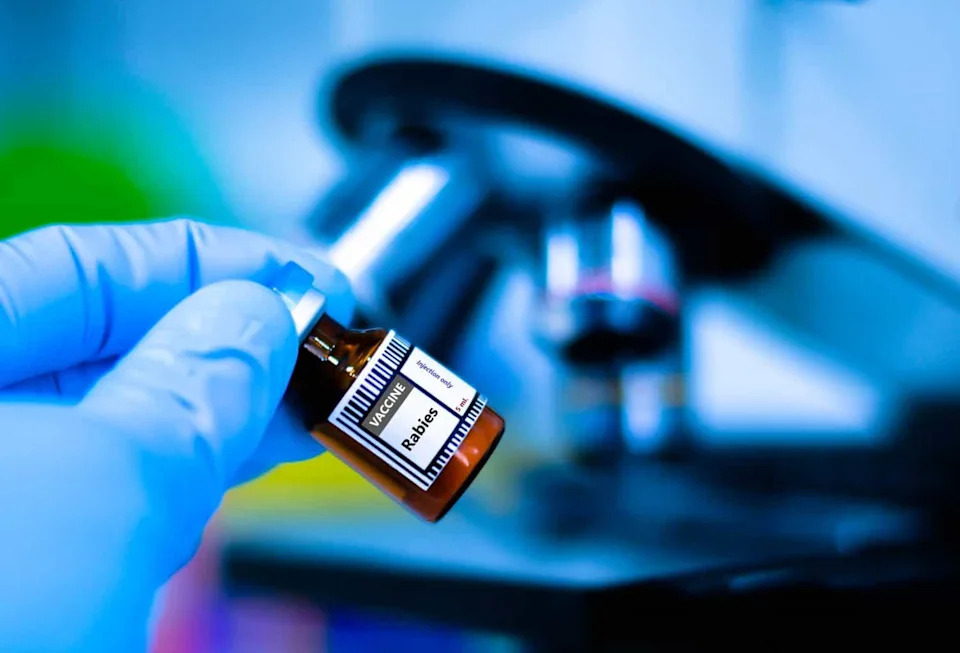
The government's Animal and Plant Health Inspection Service (APHIS) plans to distribute millions of rabies vaccines in the eastern United States.©Kitsawet Saethao/Shutterstock.com
How the Program Works
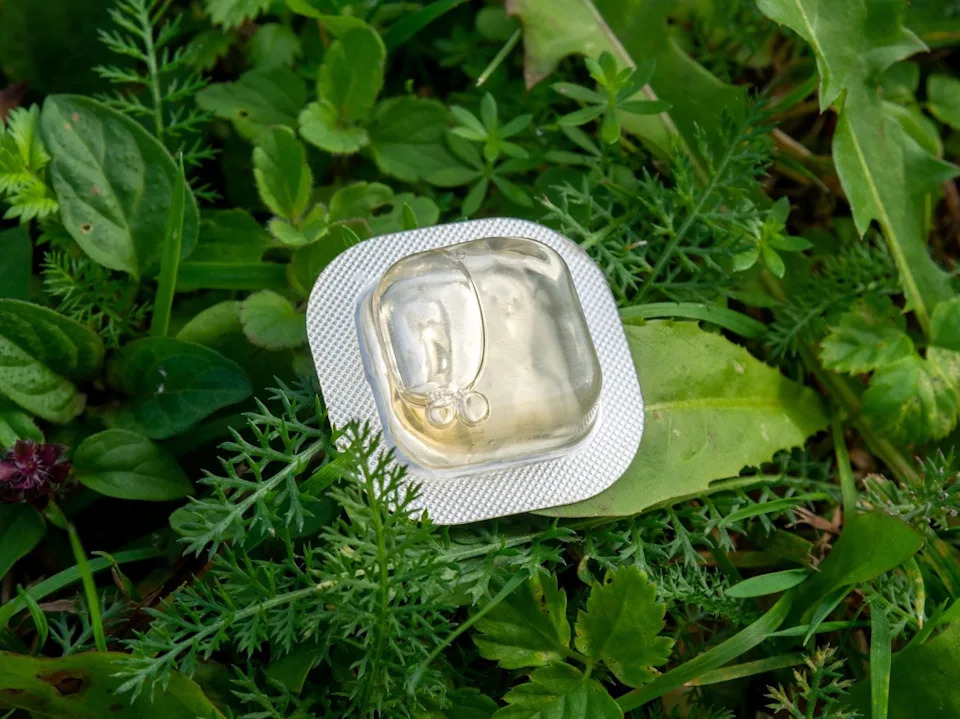
The distributed product is RABORAL V-RG®—a recombinant vaccinia virus that expresses the rabies glycoprotein. Each two-inch plastic sachet contains the vaccine and is coated with a fishmeal-based attractant to entice raccoons and other target species to consume it. APHIS will deliver baits by airplane and helicopter, by ground vehicle, and via fixed bait stations in selected rural and forested areas.
Safety and Precautions
APHIS stresses that the oral baits do not cause rabies in people or pets. If a pet eats a bait, it may experience mild, temporary stomach upset but no long-term health effects are expected. People who find or handle a bait should wash exposed skin thoroughly with soap and warm water. If direct human exposure to vaccine contents occurs, contact a healthcare provider or local health department for advice.
A related program effectively eliminated the domestic dog-coyote rabies variant completely in 2008.©GS23/Shutterstock.com
Planned Allocations and Timeline
In August, APHIS will focus on the Mid-Atlantic and Northeast. Notable allocations include:
- St. Lawrence Valley (northern New York): ~220,000 baits delivered by aircraft, helicopter and vehicle.
- Northern Vermont, New Hampshire and nearby areas: ~460,000 baits.
- Northern Maine: ~598,000 baits.
- Western Pennsylvania: more than 720,000 baits.
- Massachusetts: ~75,000 baits.
- West Virginia and eastern Pennsylvania: ~360,000+ baits.
In October, the campaign expands into parts of the Southeast and southern Appalachia, with multi-hundred-thousand-bait allocations across North Carolina, Tennessee, Virginia, southern West Virginia, Georgia, Alabama and portions of neighboring states.
Program Impact and History
Oral rabies vaccination is a proven wildlife health tool. Since 1995 APHIS reports distributing more than 200 million oral vaccine baits nationwide, contributing to measurable declines in several rabies variants. Past campaigns reduced the gray fox rabies outbreak zone in Texas by roughly 50% and helped eliminate the domestic dog–coyote rabies variant in that region in 2008.
What you should do: If you see small plastic vaccine sachets dropped from aircraft, do not touch them with bare hands. Keep pets away, and if you must handle a bait, wash thoroughly with soap and warm water and contact local authorities if needed.
By vaccinating wildlife, APHIS aims to protect animal and human health and reduce the economic and public health costs of rabies control. Residents in targeted regions who observe bait drops can expect public notices and signage explaining the program.
Help us improve.