A Nature study examined 11 hydraulic traits in nearly 300 trees across 18 tropical species in Puerto Rico, from very wet to much drier forests. Seventeen of the 18 species adjusted traits to local rainfall, becoming more drought-resistant in drier sites. The results challenge the assumption that hydraulic traits are fixed and suggest models should account for intraspecific trait flexibility to better predict forest resilience and carbon storage.
Surprising Resilience: Tropical Trees Can Adjust to Drought, New Study Finds
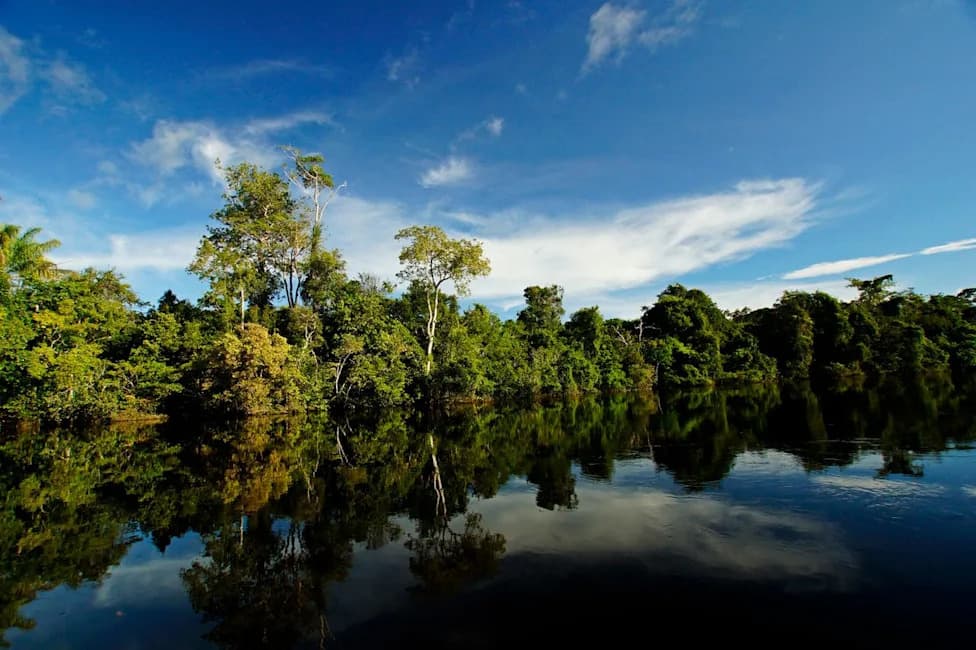
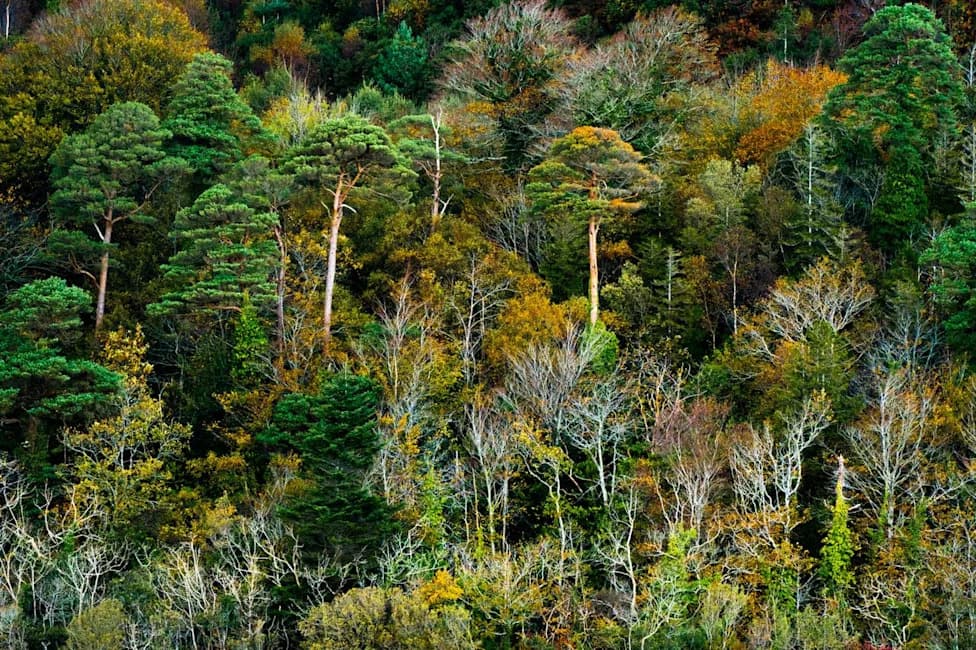
(Photo by Christopher Borges via Pexels)
A new study published in Nature suggests tropical trees may be more adaptable to drought than scientists previously thought — offering cautious optimism about the ability of tropical forests to withstand a warming climate.
Researchers from the United States, Sweden and Australia measured 11 hydraulic traits — characteristics that govern how trees transport and store water — in nearly 300 trees representing 18 tropical species across Puerto Rico's major climate zones. Sampled sites ranged from "everwet" forests that receive about 4,000 mm (157 in) of rain per year to much drier forests receiving roughly 1,000 mm (39 in) annually.
The team found that 17 of the 18 species showed substantial intraspecific variation in hydraulic traits and adjusted those traits to match local water availability. Trees in drier sites tended to be more resistant to hydraulic failure and had wider safety margins against drought stress, while trees in wetter sites exhibited greater water-storage capacity.
(Photo by BAB2056 via Pexels)
"Most tropical tree species can adjust their water transport systems to local conditions, suggesting they have greater capacity to cope with increasingly severe droughts than we previously recognized," said study senior author Maria Uriarte of Columbia University.
Study leader Chris Smith-Martin (University of Minnesota) noted that most ecosystem and climate models currently treat hydraulic traits as fixed within a species. Incorporating intraspecific trait flexibility into those models could sharpen forecasts of forest resilience, carbon storage, and how species composition might shift under changing precipitation regimes.
The researchers distinguished between traits associated with drought tolerance — a tree's capacity to survive extended water shortage — and drought avoidance strategies that reduce water loss before damage occurs. The study indicates many tropical trees can deploy either or both strategies depending on local conditions, increasing the range of environments in which a species can persist.
While the findings provide "unexpected hope," the authors caution that flexibility has limits: extreme, prolonged droughts, land-use changes, pests, and other stressors could still overwhelm forests. Nevertheless, recognizing intraspecific trait variation improves understanding of forest vulnerability and helps refine conservation and climate projections.
Photo credit: BAB2056 via Pexels
Help us improve.