The study of 88,116 U.S. forest plots (2001–2020) finds that simultaneous heat and moisture extremes amplify damage beyond single events. Forests with higher tree-species diversity experienced smaller productivity declines and faster recovery, suggesting biodiversity acts as "biological insurance." The results, published in Nature Communications, have implications for forest management and carbon cycle projections.
Planting Diversity: How Mixed Tree Species Shield Forests From Compound Climate Extremes
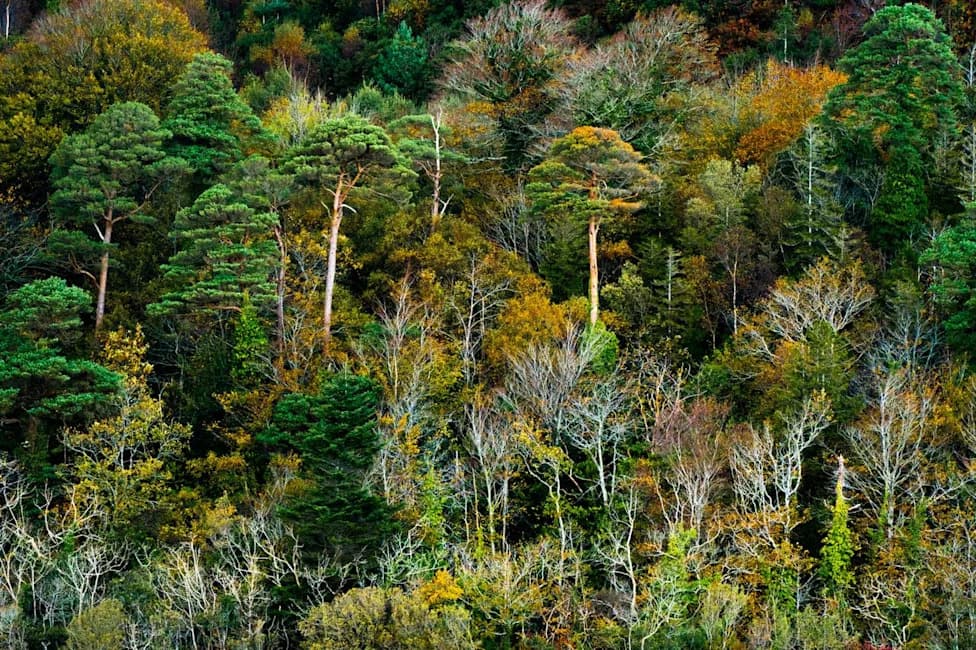
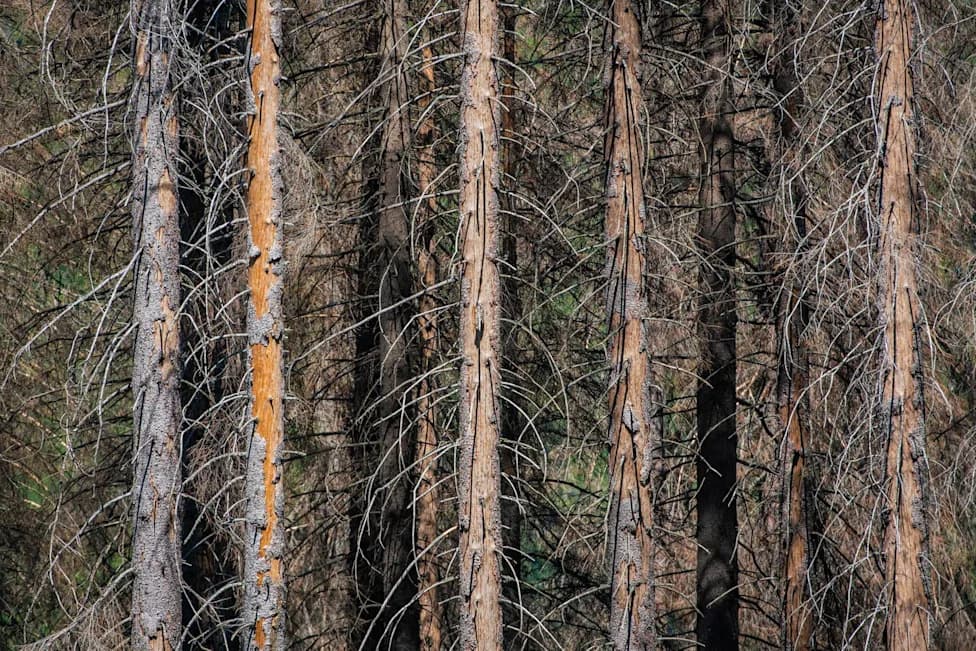
(Photo by Hugo Sykes via Pexels)
New research shows that forests with a greater mix of tree species are better able to withstand and recover from simultaneous heat and moisture extremes. The international study analyzed 88,116 forest plots across the United States and combined satellite-derived productivity estimates with long-term forest inventory data to measure how forests respond to "compound climate extremes" — events such as drought and extreme heat that occur at the same time.
Study Approach
The team, which includes Hannah White from Anglia Ruskin University (ARU) in Cambridge, assessed two key properties of forests: resistance (the ability to endure a climate shock without a large drop in productivity) and resilience (the capacity to recover productivity after the event). Using data from 2001 to 2020, they identified when compound heat-and-moisture extremes occurred and compared forest responses across plots with different levels of tree-species diversity.
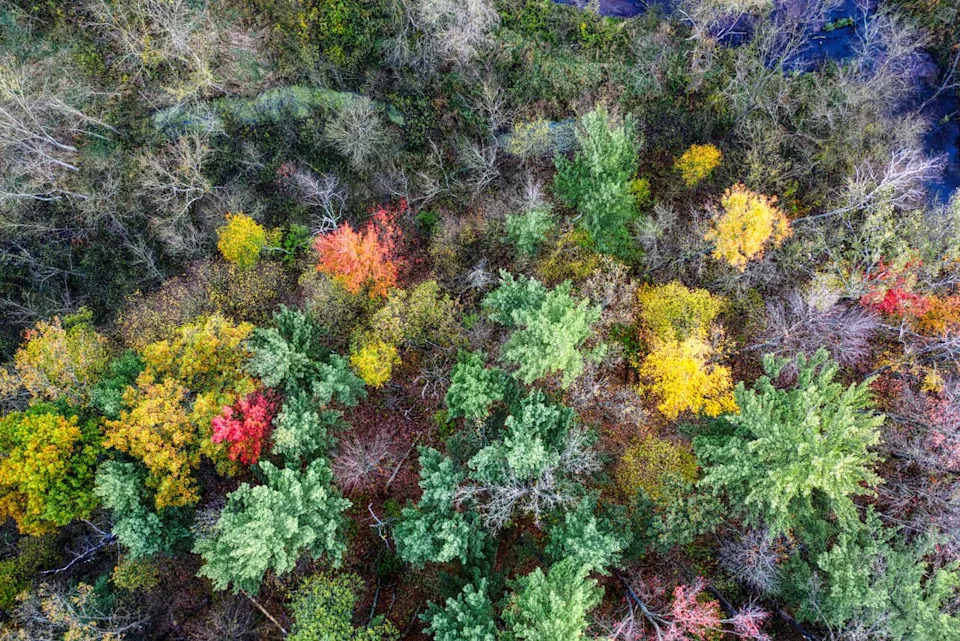
(Photo by Tom Fisk via Pexels)
Key Findings
The researchers found that compound heat-and-moisture extremes produced amplified impacts that exceeded the sum of individual events. For example, extreme heat can increase evapotranspiration and deepen drought stress, while heat combined with excess moisture can worsen soil oxygen deprivation and root damage. Across all 88,116 plots, these compound extremes occurred at least once during 2001–2020.
Crucially, plots with higher tree-species diversity experienced smaller declines in productivity during compound events and recovered more quickly afterward. The authors describe biodiversity as a form of "biological insurance" that promotes forest stability under increasingly unpredictable climate conditions.
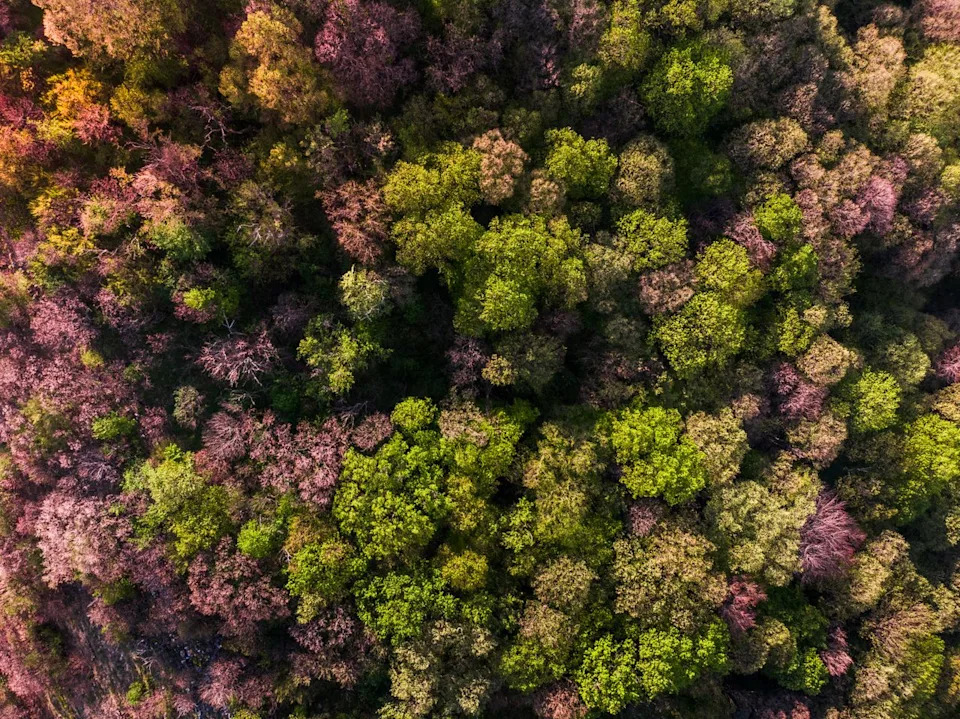
(Photo by David Bartus via Pexels)
"Our study shows that when extremes occur together, the consequences can be substantially more severe, reducing both the forest's ability to withstand disturbance and its capacity to recover afterwards," said Hannah White, senior lecturer in ecology and conservation at ARU. "We also found that biodiversity can be crucial for governing forest stability."
Implications
The findings, published in Nature Communications, have direct implications for forest management, restoration, and carbon cycle projections. Encouraging or maintaining tree-species diversity could help safeguard forest productivity, preserve carbon stores, and increase landscape-level stability as climate extremes become more frequent and intense.
Practical takeaway: Planting and promoting diverse tree communities — rather than large-scale monocultures — can reduce vulnerability to combined heat and moisture shocks and support faster recovery, helping forests continue to deliver ecological and climate benefits.
Help us improve.