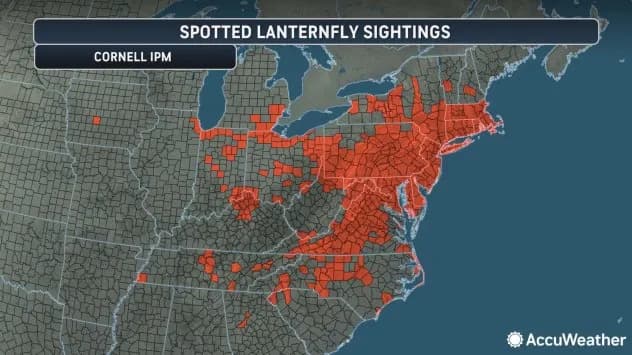
Spotted lanternflies are swarming parts of the Northeast and Midwest as mating season peaks, with sightings reported in more than 19 states. The invasive insect, first detected in Pennsylvania in 2014 and native to parts of Asia, threatens grapes, apples, hops and hardwoods by sucking sap and producing honeydew that fosters sooty mold. Females lay 1–2 egg masses annually—each containing about 30–60 eggs—camouflaged with a creamy, mud-like coating; eggs are laid in fall and hatch in spring. Officials urge reporting sightings, removing egg masses, inspecting vehicles and using approved pesticides when appropriate.
Spotted Lanternflies Swarm Northeast and Midwest as Mating Season Peaks — How You Can Help
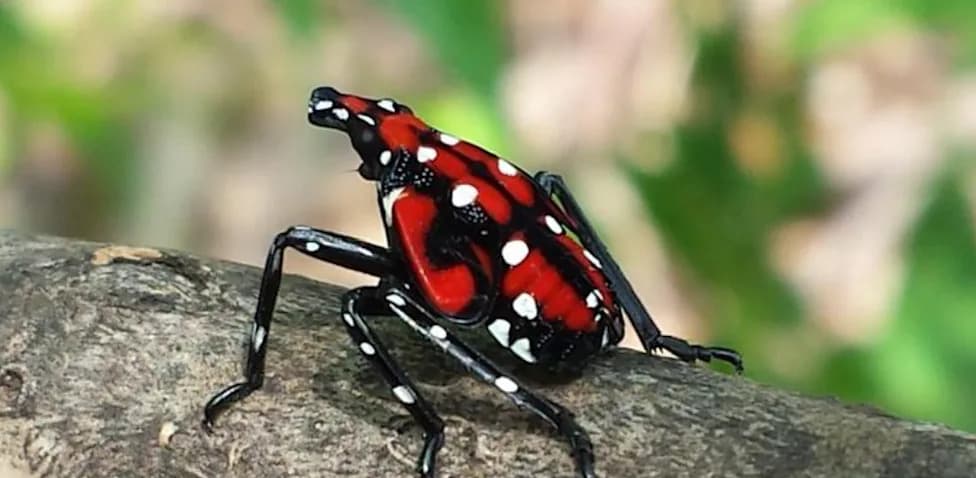
Photo of a spotted lanternfly
Spotted lanternflies are appearing in larger numbers across parts of the Northeast and Midwest as mating season intensifies, with sightings now reported in more than 19 states. These invasive planthoppers feed on grapevines, hops, stone fruit trees and many hardwoods, and while they don't bite or sting people, they pose a serious threat to agriculture and landscapes.
What Are Spotted Lanternflies?
Spotted lanternflies are an invasive sap-sucking insect native to China, India and Vietnam. First detected in Pennsylvania in 2014, they have spread rapidly, prompting quarantines and public outreach in several states.
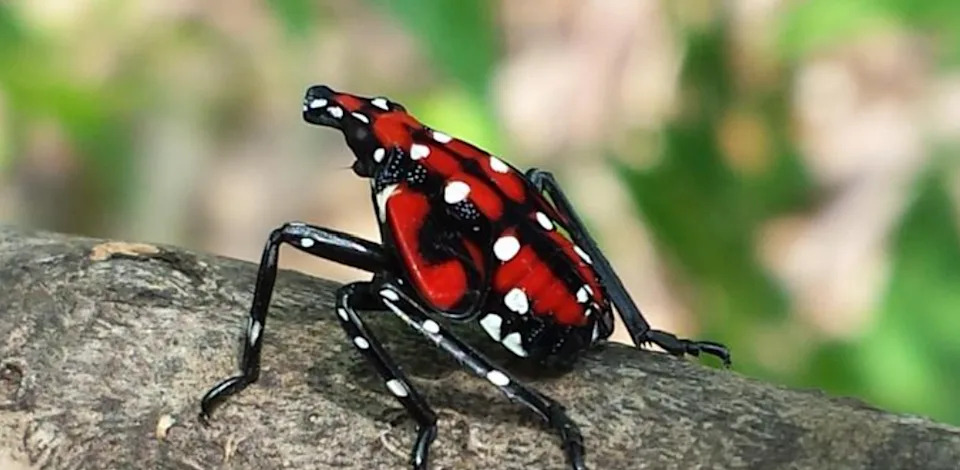
Photo of a spotted lanternfly.
Where They're Showing Up
Reports have come from more than 19 states, including Connecticut, Delaware, Georgia, Illinois, Indiana, Kentucky, Maryland and New York. Agencies such as state departments of agriculture and departments of natural resources are tracking and publicizing local finds to increase awareness.
Life Cycle and Timing
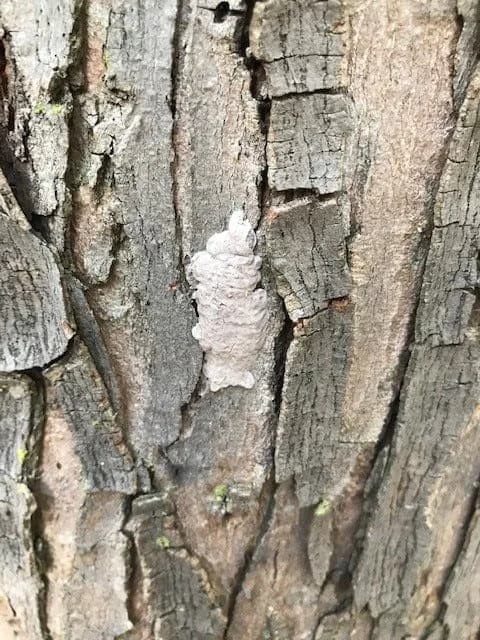
Adults are most active now as they search for mates; experts expect counts to climb through the end of August. After mating, females lay one to two egg masses per year, each containing roughly 30–60 eggs. Females coat egg masses with a creamy, mud-like substance for camouflage. Eggs are laid in fall and hatch the following spring, with nymphs often appearing as early as May and maturing into adults by mid to late summer.
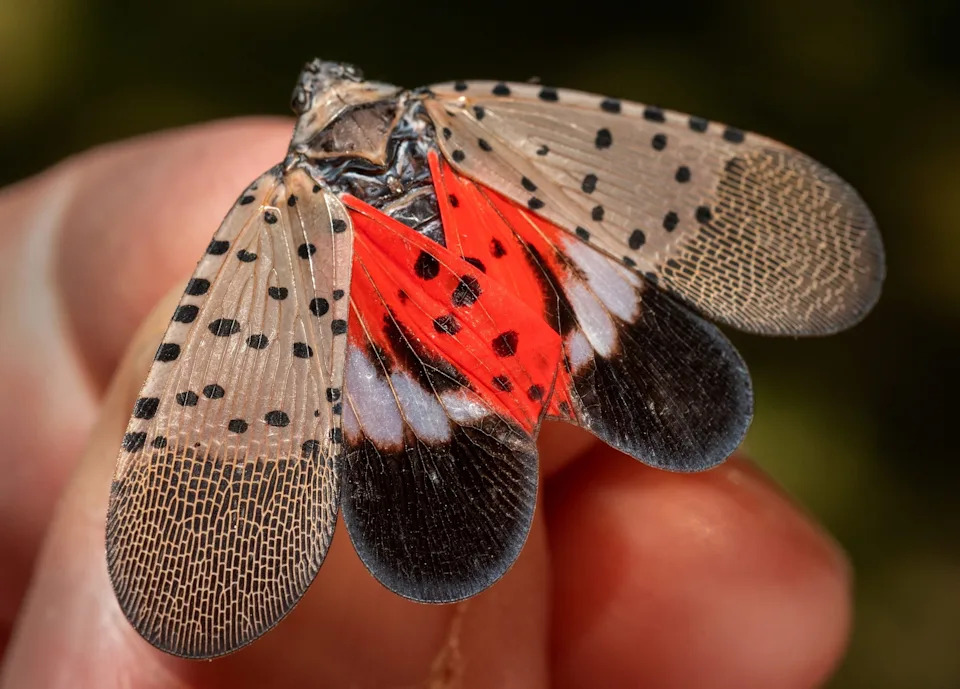
Vince Burkle, of the Indiana Department of Natural Resources, holds an adult spotted lanternfly found in Huntington, Indiana.
Damage and Risks
Spotted lanternflies feed by sucking sap from plants, weakening trees and crops such as grapes, apples and hops. They excrete a sticky residue called honeydew that encourages sooty mold growth, which can further damage plants and reduce fruit quality. Agencies have reported damage to saplings, sumac, grapevines and tree-of-heaven.
How They Spread
Egg masses and adults can hitch rides on vehicles, trailers, trains, shipping materials and other outdoor surfaces, enabling rapid, long-distance spread. The Virginia Department of Agriculture and Consumer Services and other agencies urge people to inspect cars, trailers and outdoor equipment before traveling.
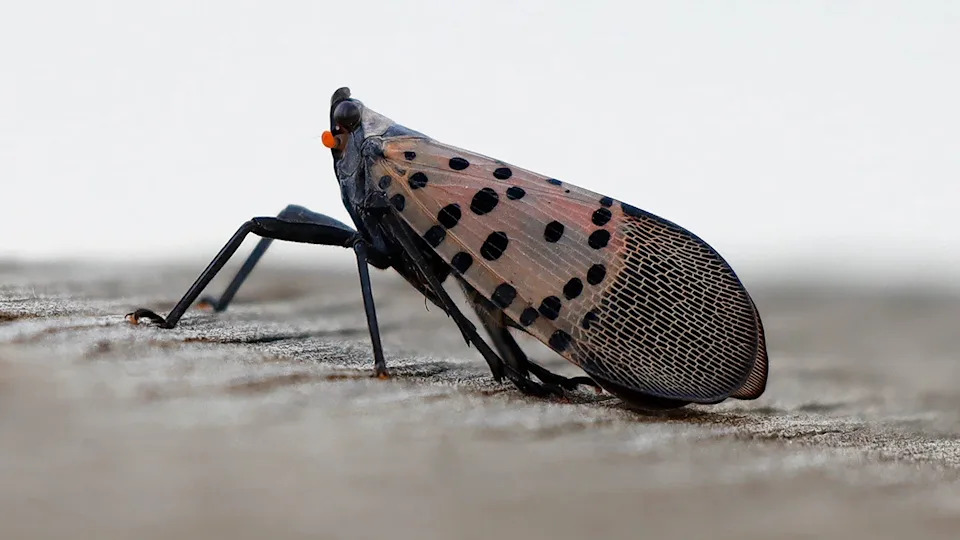
A spotted lanternfly walks along a ledge.
What Residents Can Do
- Report sightings to local agricultural or natural resource authorities so they can track and respond to infestations.
- Remove and destroy egg masses: Scrape them into a sealed bag and dispose, or drown them in soapy water.
- Join local campaigns: Many communities run "stomp-it" initiatives encouraging people to kill adults on sight and report finds.
- Inspect and clean vehicles and equipment before travel to avoid transporting egg masses or adults.
- Use approved pesticides only when recommended by experts and as part of an integrated control plan.
Research and Policy
Lawmakers are also responding: in July, Connecticut Senator Richard Blumenthal introduced the Spotted Lanternfly Research and Development Act, proposing $20–50 million in federal funding for research and control strategies.
Bottom line: With mating season underway and egg-laying approaching, coordinated public reporting, inspection and local control efforts remain essential to slow the pest's spread and protect vulnerable crops and trees.
Help us improve.