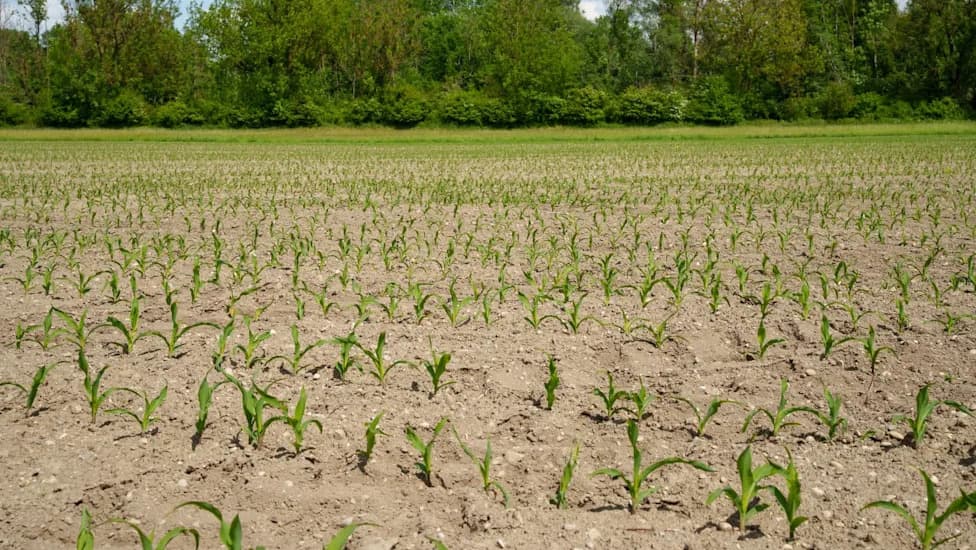
Villány’s wine region is expecting about a 30% drop in grape volumes this harvest as prolonged drought and extreme heat shrink berries and stress vines. Nearly 89% of Hungary is affected by moderate to severe drought, with groundwater and river levels falling to critical lows. The Danube’s decline briefly forced most of the Paks nuclear plant offline. Scientists link recurring summer droughts to human-driven climate change, while short-term energy decisions tied to regional conflict risk undermining climate goals.
Drought Cuts Villány Grape Harvest by About 30% as Hungary’s Water Crisis Deepens

Grape harvest in Hungary's Villány wine region down 30% due to drought
Europe’s prolonged drought and repeated heatwaves are inflicting heavy losses on Hungary’s Villány wine region, where growers now expect roughly 30% fewer grapes this vintage.
With scant rainfall and unusually low humidity, berries are smaller and vines are under sustained stress. Vineyard managers say expert care can only partially offset nature’s impact: quality is likely to remain acceptable, but overall volumes are sharply reduced.
Local Voices
Producers are learning to adapt, but the conditions are extreme and widespread across the country, said Gergely Nagy, secretary of the Villány Wine Region Hill Community Council.
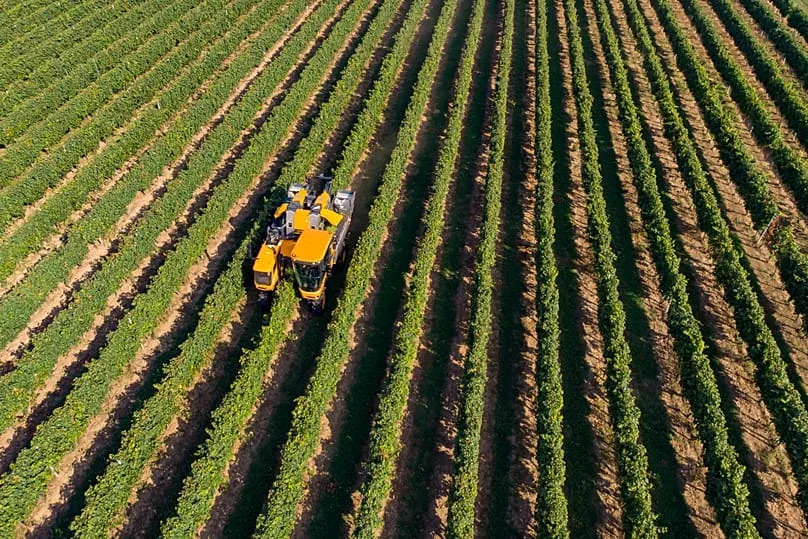
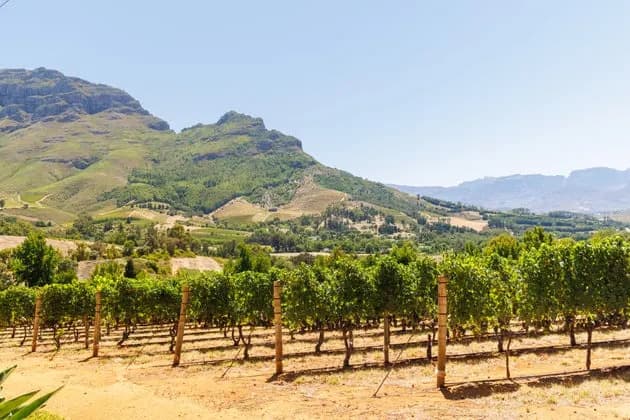
An early type of grape is harvested in a in Ordacsehi, 12 August, 2019 - AP Photo
Winemaker Tamás Riczu told reporters that late summer normally brings the period of fastest berry growth, yet this year drought stress has caused bunches to shrivel, posing particular risks to late-ripening varieties. As a result, the harvest — usually starting in early September for red varieties — may begin earlier than normal if forced ripening accelerates.
National Impacts
Nearly 89% of Hungary is now affected by moderate to severe drought. Prolonged heat and reduced rainfall have pushed groundwater reserves to critical lows, especially on the Great Hungarian Plain and the surrounding Sand Ridge. In several regions the situation is among the worst on record, surpassing the 2022 drought in severity.
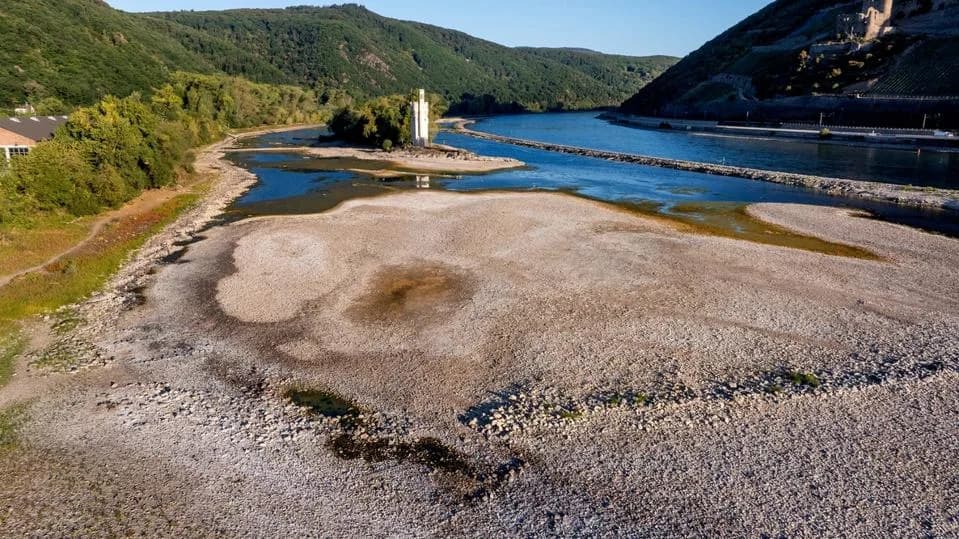
Lower river levels are also causing major disruptions: the Danube’s sharp drop briefly forced most units at the Paks nuclear power plant to be taken offline, leaving only a single turbine running for two days. Drying rivers and lakes are affecting shipping, industrial cooling capacity and local water supplies.

A man walks on rocks peeking out of the Danube, with critical low water levels, in downtown Budapest, Hungary, Wednesday Aug. 5, 2026. - AP Photo/Bela Szandelszky
Regional Context And Climate Link
The dry, hot conditions are not limited to Hungary. Across southern Europe, large wildfires continue to burn and low river levels are disrupting transport and agriculture. In coastal areas reduced freshwater flow has allowed saltwater intrusion into farmland.
Climate scientists link the growing severity of summer heat and recurrent droughts in Europe to human-driven global warming. The European State of the Climate 2025 report notes that Europe is warming at about twice the global average.
Meanwhile, the energy crunch tied to the conflict in Iran has prompted short-term measures that risk undermining long-term climate goals, as EU policymakers balance energy security and rising defence spending with decarbonisation commitments.
Outlook
Multiple studies warn that repeated summer droughts over the past six years are pushing Hungarian agriculture toward crisis and increasing signs of desertification. For Villány and other wine regions, the coming seasons will test growers' resilience and the effectiveness of adaptation measures.
Help us improve.